
Submarine
-
 Australia's robotic submarine program takes delivery of its first Ghost Shark Extra-Large Autonomous Undersea Vehicle (XL-AUV) prototype – a machine that ditches the pressure hull and life support to gain an edge in size and stealth.
 -
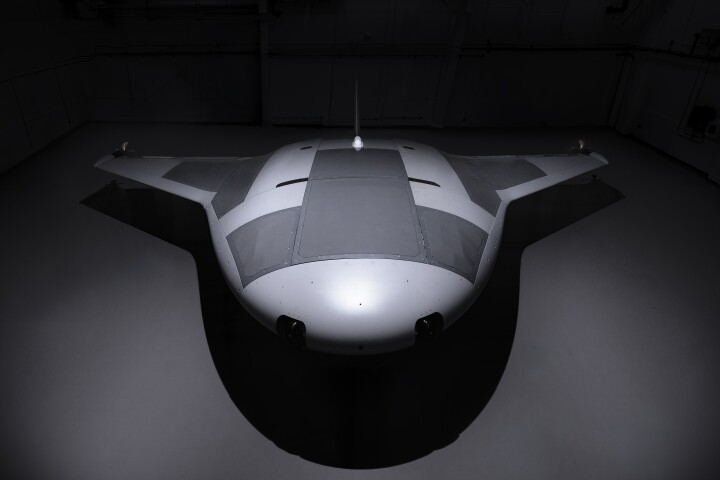 Northrop Grumman introduces its first completed prototype Manta Ray Uncrewed Underwater Vehicle that it is developing for DARPA. The extra-large submarine glider is designed to carry out long-range undersea missions without human assistance.
 -
 The US Navy has taken delivery of its first giant robotic submarine. Boeing's Extra Large Uncrewed Undersea Vehicle (XLUUV), also known as "Orca," has completed acceptance tests including extensive surface and underwater trials.
 -
 The US, UK, and Australia AUKUS agreement is about more than nuclear subs, as evidenced by the three nations announcing the building of an international Deep Space Advanced Radar Capability network intended to monitor space out to geosynchronous orbit.
 -
 On November 18, 2023, over the Bay of Biscay, France successfully launched the latest unarmed version of the three-stage M51.3 strategic ballistic missile that carries the country's submarine-borne nuclear deterrent wing.
 -
 Although the Nemo submarine is billed as "the lightest manned submersible ever built," it's still typically hefted into the water via a crane on a yacht. The Beachlauncher offers an easier alternative, in which the sub is simply driven into the sea.
 -
 The US Navy has highlighted the future of the US/UK seaborne nuclear deterrent by successfully launching a Trident II D5 Submarine Launched Ballistic Missile (SLBM) from the Ohio-class ballistic missile submarine USS Louisiana for a record 191 times.
 -
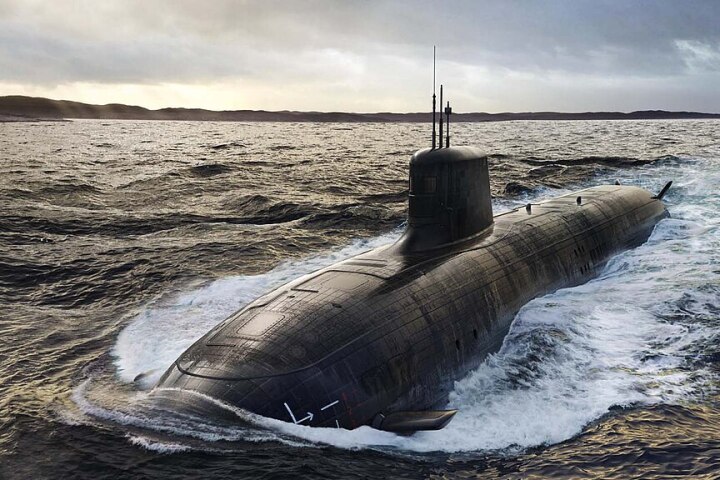 The UK/US/Australian AUKUS nuclear attack submarine treaty is moving from diplomacy to nuts-and-bolts after the UK Ministry of Defence awarded a £3.95-billion contract to begin detailed design work and long-term procurement for the SSN-AUKUS-class boat.
 -
 U-Boat Works has unveiled "the fastest private submersible ever conceived" – let alone built. The three-person bubble-cabin Super Sub looks like an underwater supercar, and it's quick enough to cruise, if not sprint, with bottlenose dolphins.
 -
 The CEO and co-founder of Triton Submarines takes us through some highlight dives from an extraordinary career, from salvaging the "smoking gun" from the Challenger space shuttle, to filming with James Cameron, to the bottom of the Mariana Trench.
 -
 It takes guts to start a company. It takes a lot more guts to start a company manufacturing cutting-edge private submarines. And as Triton's CEO and co-founder explains, it takes even more guts to slap down your money and become the first customer.
 -
2023 is not a great year to be running a submarine company, but we caught up with Patrick Lahey, co-founder of Florida's Triton Submarines, for a three-part chat about a remarkable career with highlights as low as a human being can possibly go.
Load More