
Stem Cells
-
 We’re edging closer to seeing a live mammoth for the first time. Colossal Biosciences, a company dedicated to the controversial-but-unquestionably-cool goal of resurrecting extinct species, has made a breakthrough in creating elephant stem cells.
 -
 Korean scientists have taken muscle and fat stem cells from cows and transplanted them into grains of rice. The end result is a new, high-protein food that should be cheap, environmentally friendly, and useful for famines, military or space travel.
 -
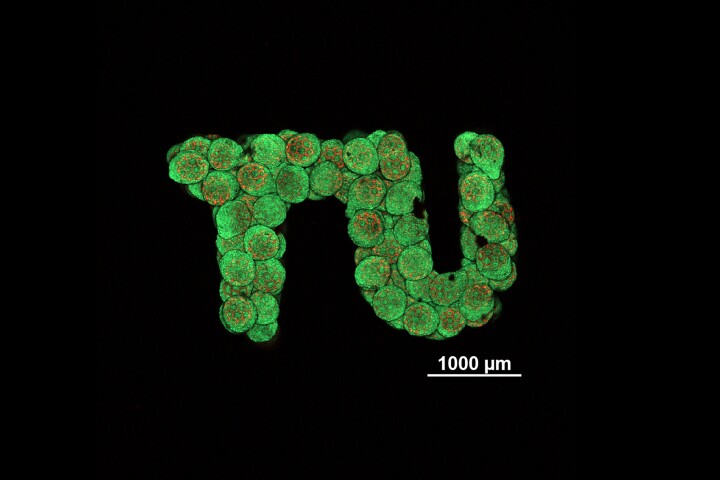 Researchers at TU Wien have developed a new way to grow cartilage from stem cells and guide it into basically any shape required. The breakthrough could lead to better ways to patch up injuries.
 -
 Researchers have successfully regenerated functional bladder tissue in a baboon using the animal’s own bone marrow cells. The findings open the door to a novel treatment for severe bladder dysfunction for which treatment is currently limited.
 -
 The most comprehensive genetic map of oral stem cells to date has provided new insight into their specialized development pathways and opens the door to targeted regenerative medicine and interventions, such as therapies to grow or repair bone.
 -
 Researchers have genetically engineered stem cells to transform into greater numbers of the neurons needed for effective Parkinson’s disease cell therapy. The method could be used to generate other types of brain cells to treat a range of disorders.
 -
 Researchers have developed a biodegradable patch engineered from human cells that could be used to correct infant congenital heart defects, limiting the need for multiple invasive surgeries and outlasting current non-living, non-degradable patches.
 -
 Multiple sclerosis (MS) is a debilitating disease with few treatment options. But in a new clinical trial, scientists have tested a promising new therapy involving injections of stem cells, which seems to slow progression of the disease.
 -
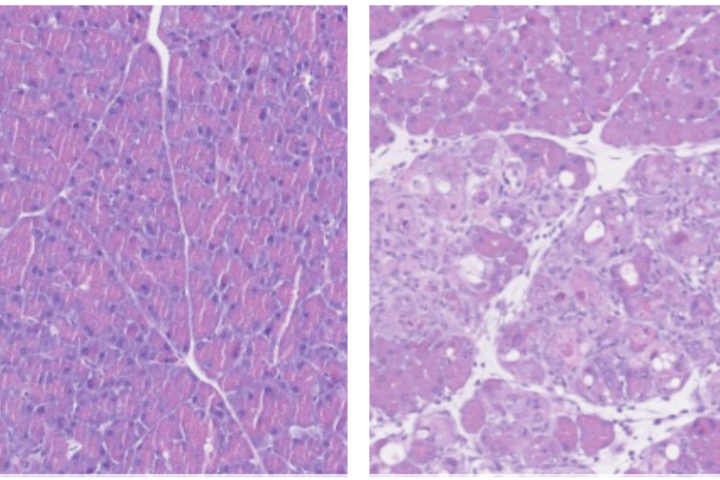 Vitamin B12 doesn't get much time in the spotlight, but as well as its role in red blood cell formation and DNA synthesis, scientists have now found that it is key to cellular reprogramming and tissue regeneration, as well as curtailing inflammation.
 -
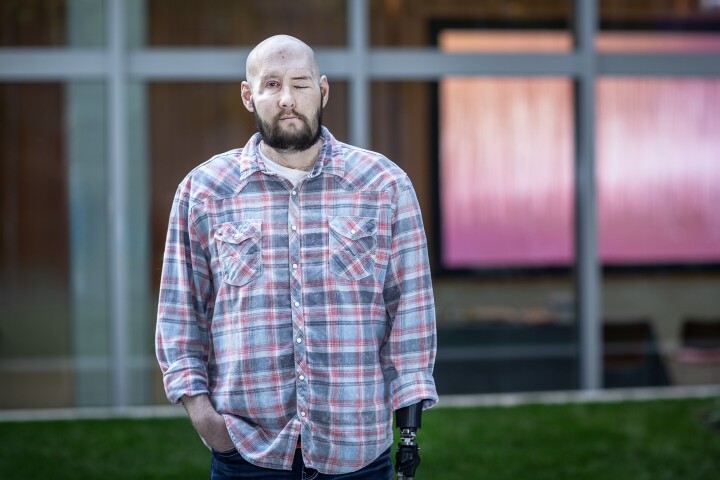 A huge multidisciplinary team at NYU Langone Health has successfully undertaken the world’s first whole-eye and partial-face transplant. The landmark surgery opens new possibilities for future advancements in vision therapies.
 -
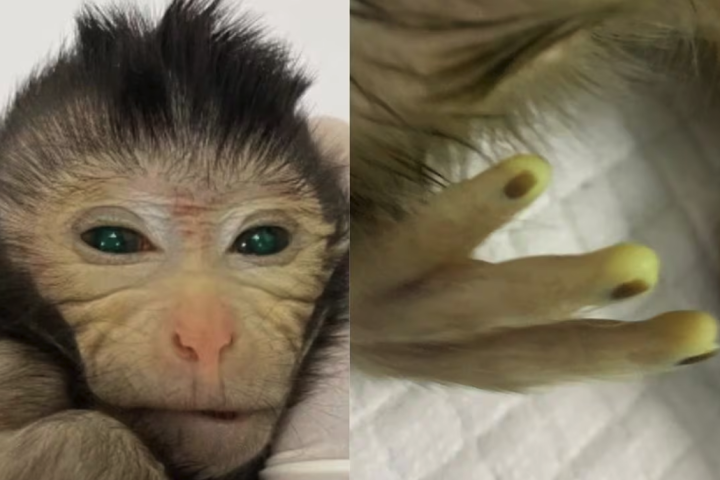 Cells from two genetically distinct macaque embryos have been combined, resulting in the first chimeric primate live birth. The newborn male's green glow reveals how large a part the injected stem cells played in development, stunning scientists.
 -
 Researchers have found that osteoarthritis is caused by the depletion of specialized gene-expressing cartilage-forming stem cells and found a way to treat and reverse the condition, instead of just managing its symptoms.
Load More