
SpaceX
-
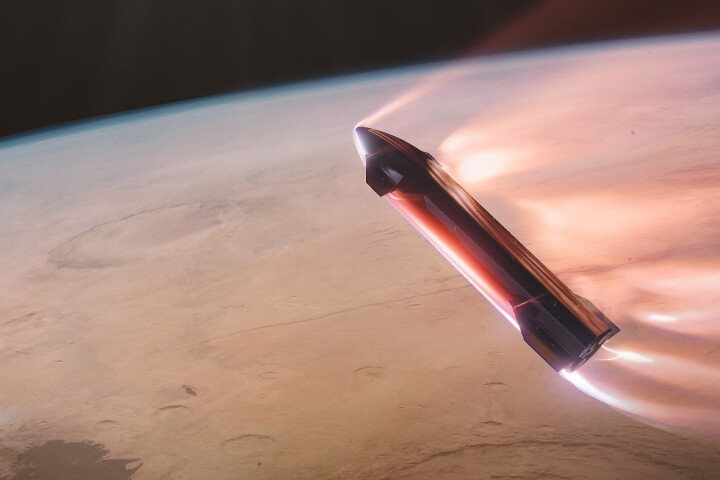 Elon Musk has given an update on Mars colonization plans, noting how the advances in SpaceX's Starship combined with plummeting launch costs could one day see thousands of ships heading for the Red Planet to support a colony of a million people.
 -
 Third time's the charm! SpaceX's Starship roared into orbit today from the company's Starbase near Boca Chica, Texas. Larger and more powerful than the venerable Saturn V, the giant rocket lifted off into the history books at 8:25 am CDT.
 -
 Want to see if SpaceX's Starship steps up or blows up on its third orbital launch attempt? Here's how to watch the action live from the Starbase facility in Texas. And, after the first two launch attempts, you can expect some drama.
 -
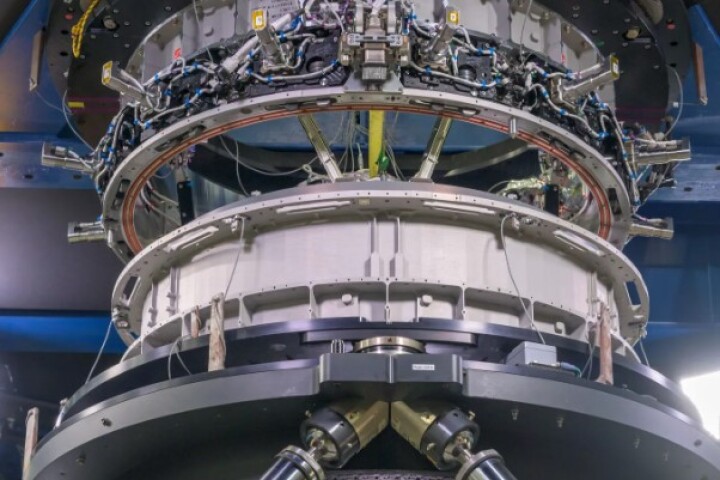 Tackling one of the unsung but absolutely necessary tasks of Moon exploration, NASA and SpaceX are doing intensive testing of the docking mechanism that will be used to transfer astronauts from Artemis to the Starship Human Landing System.
 -
 In a mobile communications breakthrough, SpaceX has sent the first X post from a regular, unmodified smartphone using Starlink satellites in low Earth orbit, bringing the end of cellular dead zones a step closer.
 -
 SpaceX's flagship new rocket is an absolute monster of a space vehicle. It blasted its launchpad to pieces on its maiden test flight – and Kennedy is now scrambling to prepare for a launch schedule that's unprecedented in mass and sheer frequency.
 -
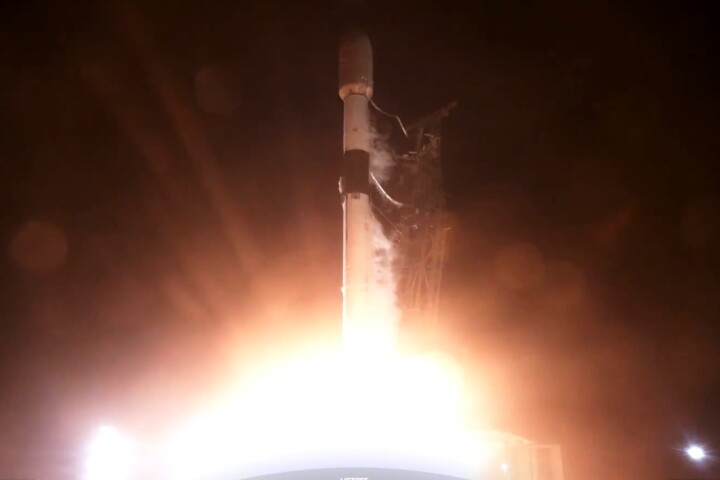 SpaceX has launched a new Starlink constellation of satellites for T-Mobile with Direct to Cell capabilities. These will allow subscribers with smart phones to call, text and browse directly from satellites, even when they're in a reception 'dead zone'.
 -
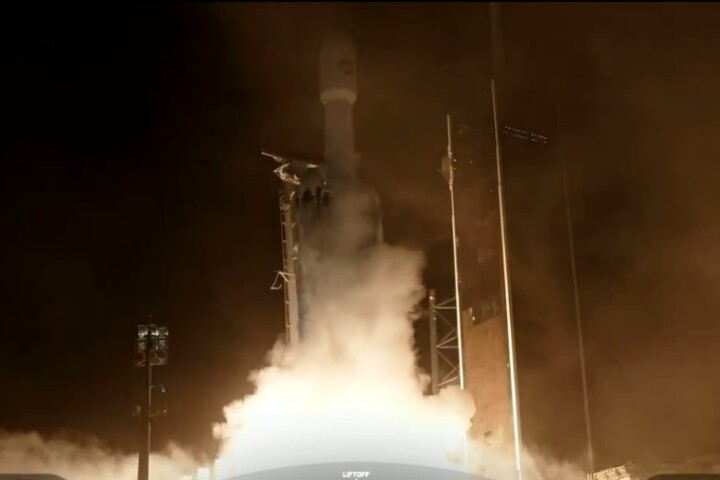 The US Space Force's X-37B spaceplane has launched successfully on its multi-year orbital mission. At 8:07 pm EST, the unmanned vehicle set atop a SpaceX Falcon Heavy booster lifted off from Launch Complex 39A at the Kennedy Space Center in Florida.
 -
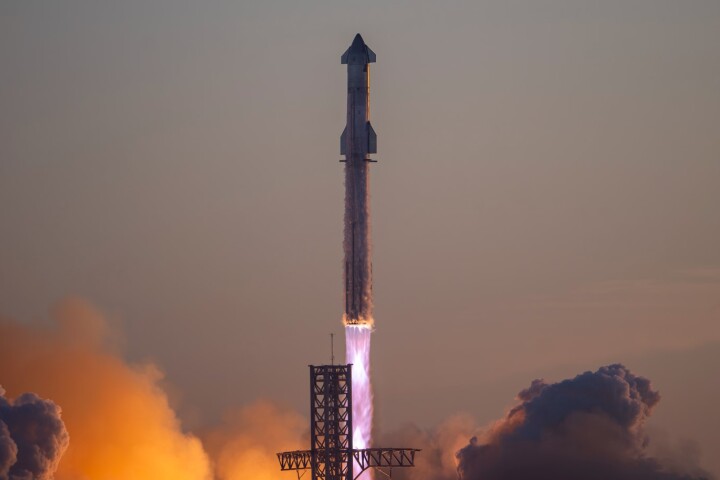 SpaceX's second launch attempt of its giant Starship rocket on Saturday once again ended in destruction, though the company declared the test flight a success, with the Starship second stage reaching the edge of space before contact was lost.
 -
 SpaceX's giant Starship rocket may fly again as soon as Friday, November 17. According to the company, the final hurdle is being given formal and final regulatory approval by the US FAA before the 397-ft (121-m) spacecraft can lift off.
 -
 Radio telescopes are picking up strange signals from an intelligent lifeform – ourselves. A new study has shown that satellite constellations like SpaceX’s Starlink swarm are unintentionally leaking signals that can interfere with vital observations.
 -
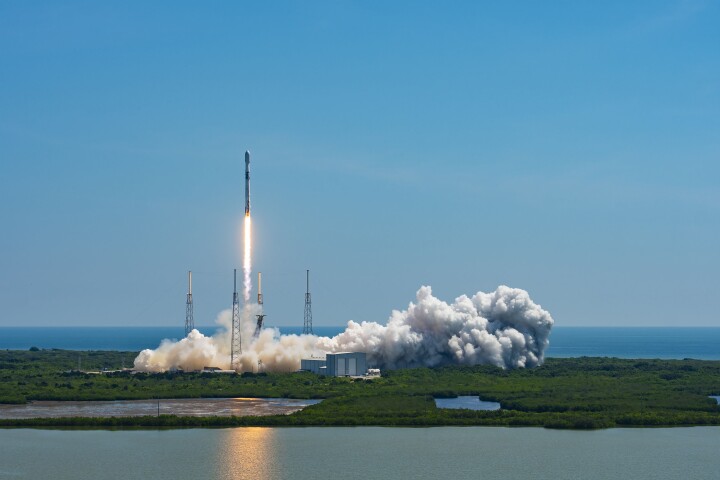 ESA's Euclid mission to map the universe and learn more about dark energy and dark matter is on its way. On July 1, 2023 at 5:12 pm CEST the space telescope lifted off from Cape Canaveral Space Force Station in Florida atop a SpaceX Falcon 9 rocket.
Load More