
Space telescope
-
 Data from NASA's Juno Jupiter orbiter suggests that the Jovian moon Europa produces about 26 lb/s (12 kg/s) of oxygen or almost 100 times less than previously estimated. This changes the probability of life being found in the moon's subterranean ocean.
 -
 As spooky season wraps, NASA has a final Halloween treat. Using two X-ray telescopes, astronomers have visualized the ‘bones’ in one of space's most haunting phenomena, the pulsar wind nebula MSH 15-52, also known as the ‘cosmic hand' or 'hand of God'.
 -
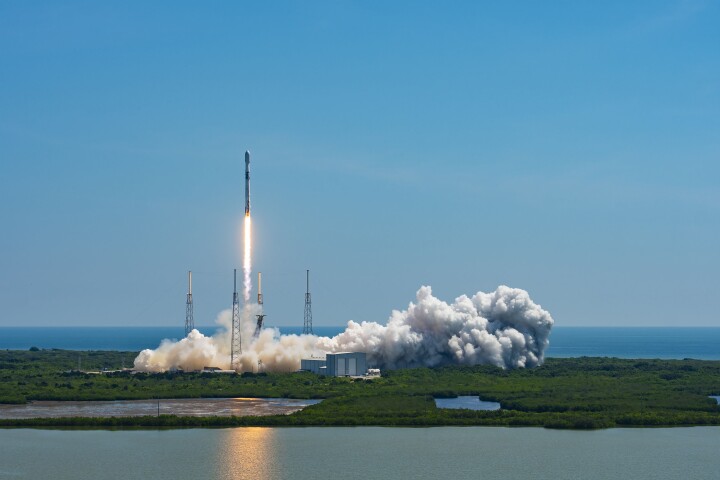 ESA's Euclid mission to map the universe and learn more about dark energy and dark matter is on its way. On July 1, 2023 at 5:12 pm CEST the space telescope lifted off from Cape Canaveral Space Force Station in Florida atop a SpaceX Falcon 9 rocket.
 -
 Able to detect gravitational waves and visible light sources, ESO's BlackGEM telescopic array at La Silla Observatory in Chile is on the hunt for ripples in space-time. And unlike existing observatories, it can pinpoint where they're coming from.
 -
 The James Webb Space Telescope is probing greater depths of space and time than other observatories. Now it's discovered galaxies with a structure like our own Milky Way 11 billion light-years away, challenging our understanding of galaxy formation.
 -
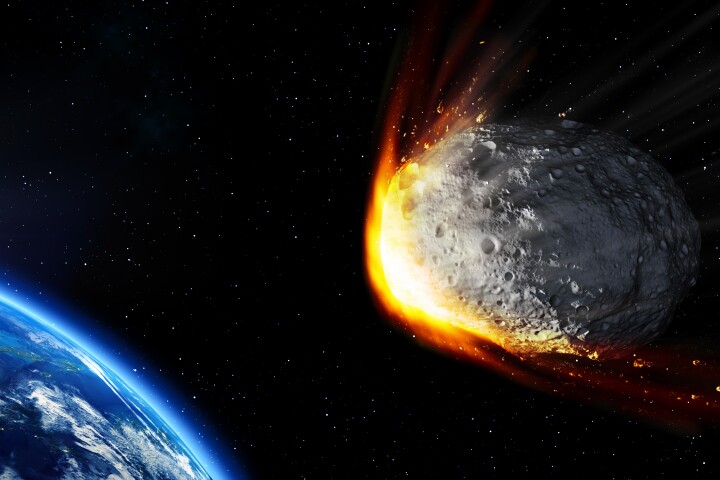 Radio waves from Alaska have been transmitted to an asteroid passing just two lunar distances away from the Earth. The information gathered could arm scientists with information that may be critical in defending the planet from a collision some day.
 -
 When NASA's high-altitude balloon lifts off from Antarctica in December 2023 at the start of its up to four week voyage over the South Pole, it will carry one of the largest mirrors ever to fly on such a high-tech gas bag.
 -
 The James Webb Space Telescope has snapped its first in-focus image. With this milestone, the telescope is now set to meet or even exceed its original science goals. It was also recently spotted by another spacecraft in the area.
 -
 After years of setbacks, the James Webb Space Telescope will finally launch next month. NASA has given the green light to begin fueling the observatory for launch, after engineering teams found no sign of damage from an incident last week.
 -
 The launch of the James Webb Space Telescope has suffered yet another delay – but at least this time, it’s only a few days. NASA says that additional testing of the instrument now needs to be conducted after an incident during launch preparations.
 -
NASA has finally set a date for the launch of the James Webb Space Telescope (JWST). If all goes to plan, the long-awaited flagship mission will blast into orbit on December 18, 2021, from French Guiana onboard an Ariane 5 rocket.
-
 NASA has managed to restart the Hubble Space Telescope, after aging technology suspended science operations for a month. It seems the iconic instrument’s career may not be coming to an end, as had been feared.
Load More