
Sound
-
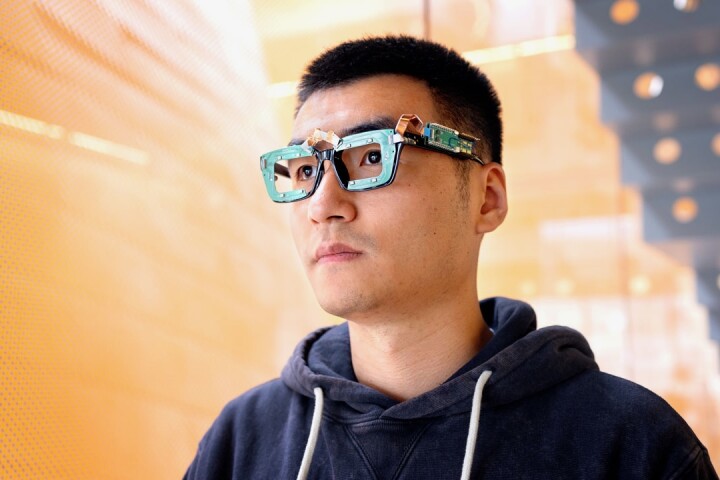 Two new technologies allow a single pair of glasses to track eye movements and read the wearer's facial expressions, respectively. The systems use sonar instead of cameras, for better battery life and increased user privacy.
 -
 Scientists have discovered that audio recordings of healthy coral reefs may help attract free-swimming coral larvae to damaged ones. The finding could be a major step toward preserving the world's coral reefs.
 -
 If someone you know has gone through chemotherapy, you might be familiar with the side effect 'chemo brain.' Scientists have now demonstrated a simple way to protect brain cells from damage using flashing lights and sounds at a certain frequency.
 -
 A tiny, newly-discovered minnow has measured louder than gunshots, jet engines or most competition-grade car stereos on the decibel scale – which raises the question: how on Earth was it not discovered earlier? It hasn't exactly been discreet.
 -
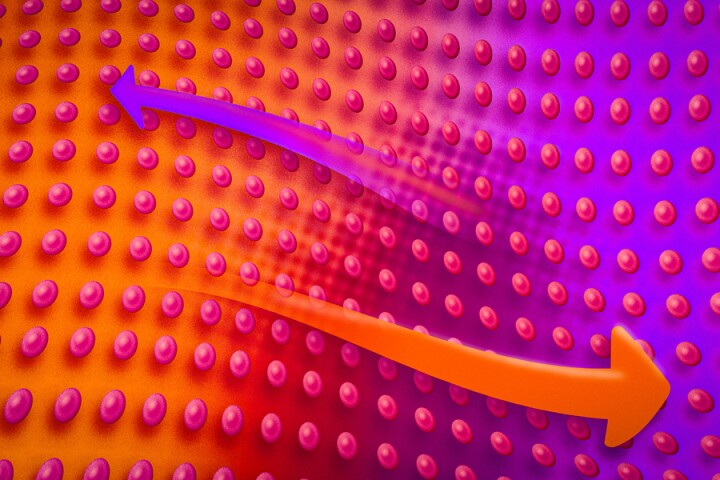 Scientists at MIT have directly captured signs of “second sound” in a superfluid for the first time. This bizarre phenomenon occurs when heat moves like sound waves through an unusual state of matter.
 -
 A study has found that playing a soundscape to a common, plant-promoting fungus found in soil caused it to grow more rapidly than fungi that weren’t exposed to sound. The novel ‘eco-acoustic’ approach has the potential to restore damaged ecosystems.
 -
 Researchers developed a battery-less sensor that reacts to particular sounds, like spoken words, producing vibrational energy to power an electronic device. It could power medical devices like cochlear implants or monitor buildings for faults.
 -
 The search for survivors at disaster sites is one of the most commonly suggested uses for drones. If those people are buried under debris, however, they won't be visible. That's where LUCY comes in, as it could let drones locate survivors by sound.
 -
 Table tennis is one of those sports that most people would likely assume is simply unplayable by the blind. An Australian student, however, is now using cameras and speakers to get unsighted individuals in on the ping pong action.
 -
 Noise-cancelling headphones are great for blocking out the loud talkers and chaotic coffee shops of the world, but what if there are certain sounds that you want to hear? That's where the experimental new "semantic hearing" system could soon come in.
 -
 Whisper Aero wants to revolutionize electric aviation with propulsion systems 100x quieter and 20% more efficient than anything else on the market. While it's working on that, it's thrown together a quiet, powerful, efficient leaf blower as a demo.
 -
 Guiding lasers where they need to go is a key part of optics systems, and now engineers at DESY have developed a way to bend laser beams without anything touching them. The light is deflected using an invisible grating made of air shaped by acoustics.
Load More