
Skyscrapers
-
 Officials have given the thumbs up for a new tallest skyscraper in the United States – and it's not headed for New York City or Chicago, but to a tornado-prone area with a relatively small population: Oklahoma City.
 -
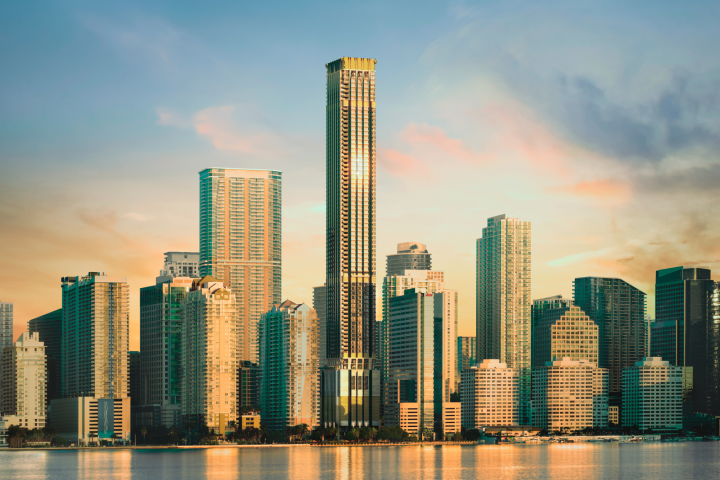 Skyscraper design is already in vogue with luxury car makers and now an upmarket fashion house is getting in on the action too. Dolce & Gabbana has revealed plans for a new supertall that will be the joint-tallest skyscraper in Miami.
 -
 Bringing to mind a Helter Skelter with its unusual spiraling exterior, the Star, Hollywood is a new office tower by Foster + Partners that will be wrapped in ascending gardens, providing generous outdoor spaces for workers inside.
 -
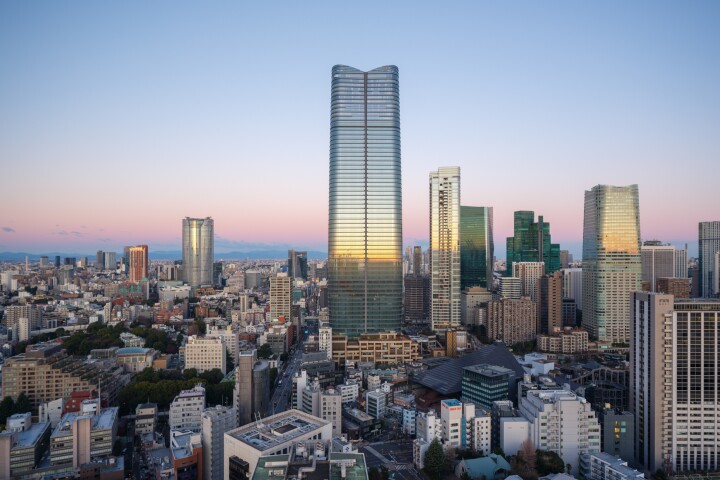 The Mori JP Tower is the new tallest skyscraper in Japan. Rising to a height of 325 m, the building is designed to reduce its energy usage with sustainability features and to stand up to the country's seismicity.
 -
 A new report from a well-placed UK architecture magazine suggests that Saudi Arabia is planning one of its most audacious architecture projects to date: a mega-tall skyscraper that would reach an incredible maximum height of 2 km tall.
 -
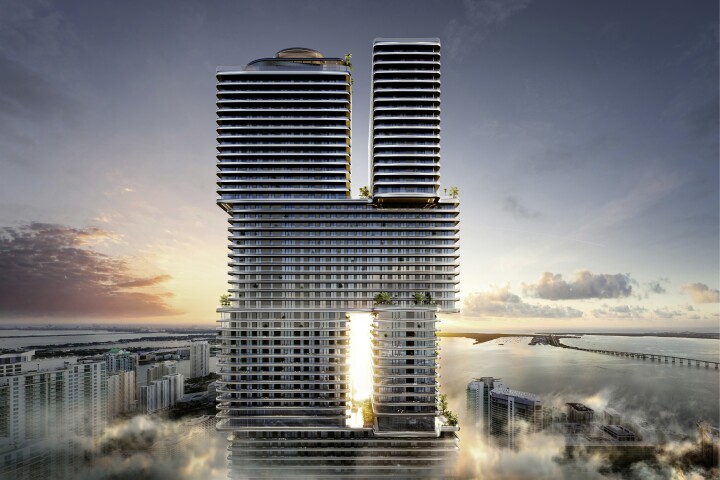 Mercedes-Benz is the latest automaker to get serious about architectural design. The firm has revealed plans for an eye-catching luxury residential skyscraper in Miami that's expected to be completed in 2027.
 -
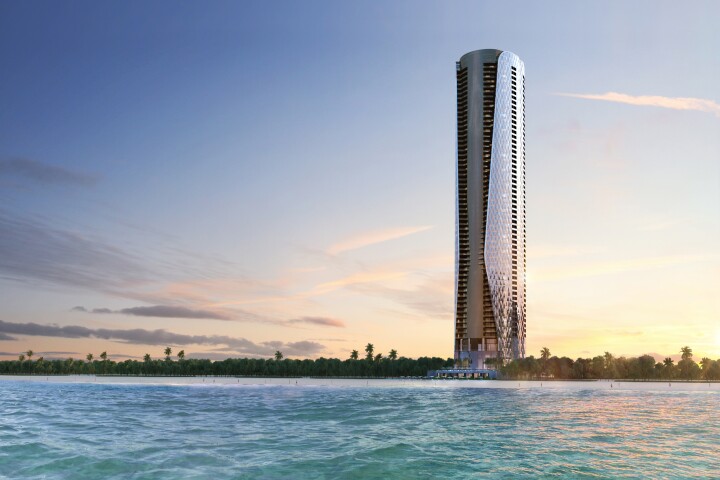 Work has begun on an extraordinary new Bentley branded skyscraper that takes automotive design to new heights – literally – with four car elevators that will allow well-heeled owners to stow their automotive pride and joy high above Miami.
 -
 A video has been released that reveals the build progress of Saudi Arabia's 170-km-long city sized skyscraper rising in the desert. The scale is incredibly ambitious and The Line is expected to be home to around 9 million people once complete.
 -
 London's 177-m-tall BT Tower has been a lot of things over the years – a telecommunications tower, a revolving restaurant, and even the target of a bombing attack. It's now set to begin a new chapter as a luxury hotel, courtesy of Heatherwick Studio.
 -
 What's being hailed as the world's tallest 3D-printed building is being readied for assembly in a remote Swiss village. The White Tower from researchers at ETH Zurich will be formed from over a hundred columns, with a performance space sat on top.
 -
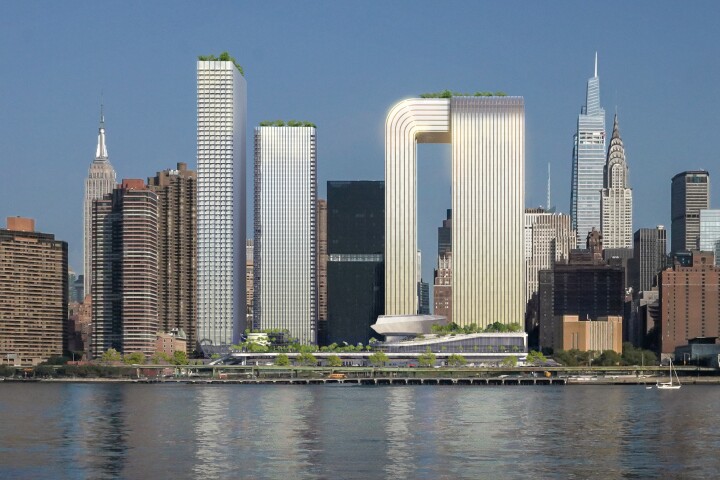 Four new skyscrapers are planned for Manhattan's largest plot of undeveloped land. Named Freedom Plaza, two of the towers will meet at the top with a dramatically cantilevering skybridge and one of the biggest infinity pools America has ever seen.
 -
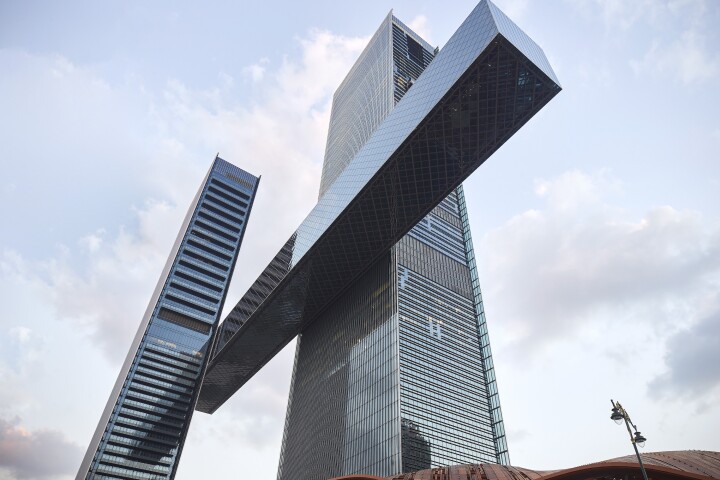 Dubai is full of eye-catching skyscrapers but One Za'abeel, by Nikken Sekkei, is sure to stand out even there. The project takes the form of two adjacent towers which support a horizontal bridge section that forms the world's longest cantilever.
Load More