
Skin
-
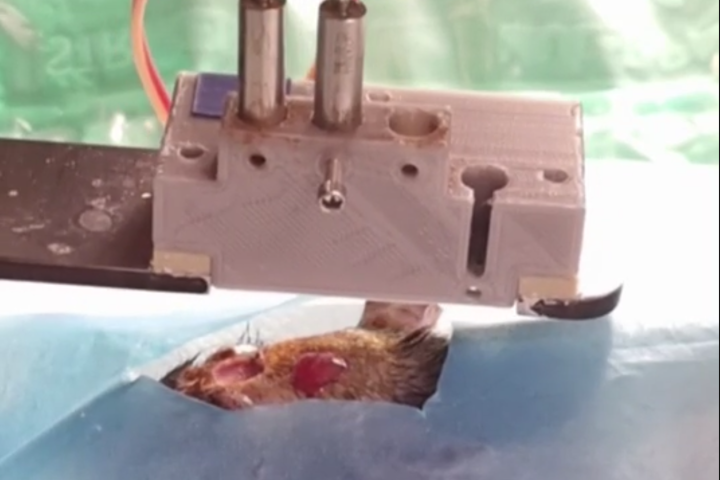 In a world first, researchers have printed multi-layered, living skin directly onto significant injuries in rats for scar-free skin repair. It's not sci-fi – they're genuinely 3D-printing skin (and possibly hair) right into damaged areas.
 -
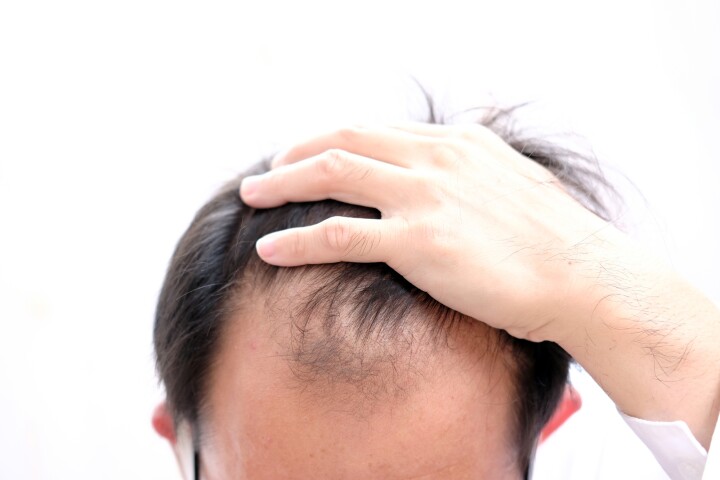 A gel of tiny keratin spheres has been found to promote hair follicle growth. Given that our bodies naturally produce keratin, the research highlights the potential application of using keratin microspheres as a safe and effective hair-growth treatment.
 -
 Acne is an annoying part of pretty much everyone’s lives, and in some cases can get serious. Now, scientists have demonstrated an intriguing new way to fight it, by engineering bacteria that live on the skin to produce proteins found in acne drugs.
 -
 Scientists have had a career-making moment, capturing on film a dolphin with such a rare skin condition that only five other recorded examples exist. The dramatic black-and-white look, or piebaldism, has never been seen on a dolphin in Australian waters.
 -
 After confounding scientists for more than 80 years, researchers have finally discovered how the flesh-eating Buruli ulcer is transmitted: mosquitoes. The discovery means practical measures can now be taken to restrict the spread of the disease.
 -
 Researchers have combined high-resolution images of blood vessels under the skin of diabetics and an AI algorithm to formulate a ‘score’ that can determine disease severity. The technique could be used to monitor the effectiveness of treatment.
 -
 Researchers have identified a way of selectively eliminating the ‘bad’ immune cells that contribute to autoimmune skin diseases like psoriasis while leaving the ‘good’ cells intact. The discovery could lead to longer-lasting, more targeted treatments.
 -
 New research has, for the first time, discovered hemoglobin in the uppermost layer of human skin, and found that it helps protect against damage. The findings provide important insights into skin diseases such as aging and cancer.
 -
 Researchers have created a cream containing a souped-up, synthetic version of the free-radical-removing melanin we produce naturally to protect skin from sun damage and accelerate the healing of sunburn and chemical burns.
 -
 The skin ulcers that diabetics often develop on their feet are slow to heal, sometimes to the point that they become infected and require foot amputation. A magnetic gel could keep that from happening, as it triples the healing speed of such wounds.
 -
 For the first time, scientists have combined six primary skin cell types with hydrogels to ‘print’ a thick, multilayered skin that, when transplanted, successfully integrated with surrounding tissue to heal wounds more rapidly and with less scarring.
 -
 While it's important for dermatologists to know how itchy a person's skin is, patients' self-assessments are quite subjective. A new wearable sensor could help, by objectively measuring the frequency and intensity of its user's scratching sessions.
Load More