
Skin Cancer
-
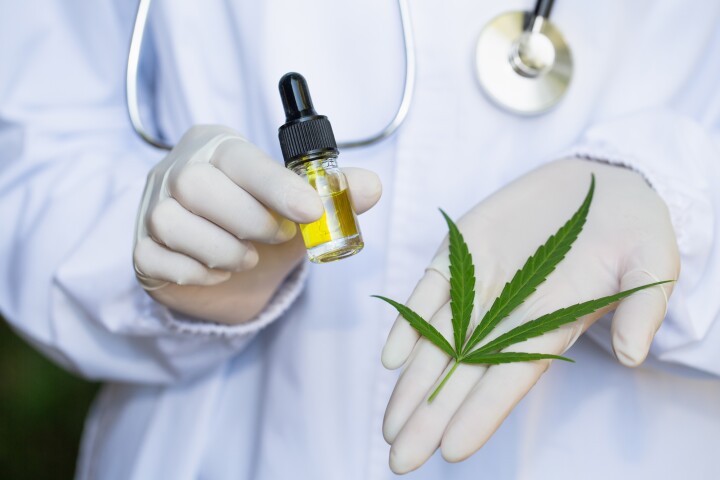 A study has found that a cannabis extract can inhibit the growth of melanoma cells and trigger cell death. The next step is pre-clinical trials to investigate whether the extract can be used to treat other types of cancers.
 -
 The FDA has granted clearance to the first AI-powered medical device to assist physicians in detecting all 3 common skin cancers. Providing a more accurate way of identifying skin cancer will enable patients to access necessary treatment more quickly.
 -
 Moderna has announced results of a Phase 2b trial of its mRNA treatment for skin cancer. When paired with immunotherapy, the treatment significantly reduced risks of recurrence, metastasis and death, paving the way for trials against other cancers.
 -
 New research has, for the first time, discovered hemoglobin in the uppermost layer of human skin, and found that it helps protect against damage. The findings provide important insights into skin diseases such as aging and cancer.
 -
 Researchers have created a cream containing a souped-up, synthetic version of the free-radical-removing melanin we produce naturally to protect skin from sun damage and accelerate the healing of sunburn and chemical burns.
 -
 Got a rash or spot to check out? Take a photo! Google Lens can now save you from wading through hundreds of images of skin conditions, letting you search for your own much more easily and delivering results for diagnosis and recommended treatment.
 -
 Cancer is the end result of a wide range of problems, and learning how it occurs is key to prevention and treatment. Now, scientists have discovered a never-before-seen cancer-causing mechanism – a kind of clog in a cellular garbage disposal system.
 -
 MIT scientists have developed a new wearable patch that can deliver drugs through the skin more efficiently and painlessly. The device uses pulses of ultrasound to pry open the skin, which could improve topical medications or even tattoos.
 -
 A combination of immunotherapy and chemotherapy has shown promise against stage IV melanoma in a new clinical trial. The chemo drug targets a type of cell that suppresses the immune response, and together the two showed an increased response rate.
 -
 The first results from a trial testing mRNA technology against cancer reveal 44% of patients fared better than those on conventional treatments. The announcement from Moderna reveals Phase 3 trials for its mRNA skin cancer vaccine will commence next year.
 -
 Melanoma is the deadliest form of skin cancer thanks to its ability to rapidly spread to other organs. Brazilian researchers have now developed a peptide that seems to slow the growth and spread of melanoma, improving the survival rates of test mice.
 -
 Researchers have demonstrated a new kind of non-invasive skin cancer detection tool. Preliminary tests found the technology to be 97 percent effective at detecting cancer tissue and the researchers are now working to develop a cheap handheld device.
Load More