
Sensors
-
 A sensor that can accurately recognize and distinguish objects up to 10 centimeters – about four inches – away without needing to touch them physically has been developed. It could provide a new level of sensitivity to biorobotics.
 -
 In an effort to diagnose glaucoma, a condition that can cause vision loss, earlier, researchers have developed contact lenses with sensors that measure the pressure inside the eye and send the information to an ophthalmologist for evaluation.
 -
 Soft robotic devices often need to sense both mechanical deformation and changes in temperature, requiring multiple integrated sensors. ChromoSense technology, however, combines both functions in one simple, robust, color-changing device.
 -
 In a fascinating new study, scientists have for the first time uncovered the heart-brain pathway, fueled by specific over-excited sensory neurons, that triggers fainting. The discovery is a huge step towards targeted treatments for a host of conditions.
 -
 Engineers at UC Davis have developed a new radar sensor that can pick up movements just 100th the width of a human hair. Better yet, the sensor itself is only the size of a sesame seed and is energy efficient.
 -
 Two separate, recently published studies have demonstrated how combining brain sensors and AI to create a brain-computer interface (BCI) gave two women with the inability to speak a voice. It's hoped the tech will soon be able to assist more people.
 -
 Most of us don't need special pants that let us know we're exhausted, but for hardcore athletes, such an alert could help stave off injuries. To that end, researchers created an electronic yarn that could detect fatigue based on movement patterns.
 -
 It's certainly handy to know how fast gears or wheels are spinning, but equipping them with external sensors may affect their performance. That's why scientists have devised a method of 3D-printing wireless sensors right into the things.
 -
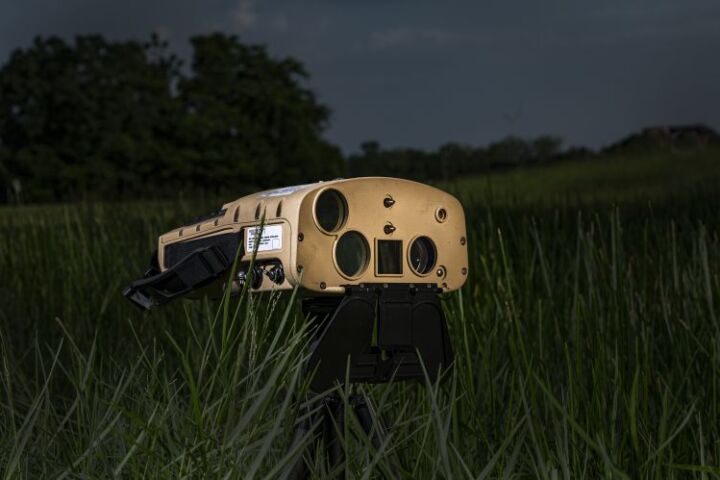 The US Marine Corps has decided to purchase Northrop Grumman's all-in-one Next Generation Handheld Targeting System (NGHTS) that packs a suite of day/night targeting sensors in a 10-lb (4.5-kg) package and can operate in GPS-denied areas.
 -
 Mercury can be quite harmful in large amounts, and detecting its presence in foods or liquids typically requires lab-based tests. A new nanosensor, however, can quickly detect even small levels of the heavy metal onsite, simply by tapping on samples.
 -
 Last year, Samsung demonstrated the power of its monstrous 200-megapixel camera sensor by printing a billboard-sized cat photo taken on a phone. Now the company has started mass producing its successor, the Isocell HP2.
 -
 The REM stage of sleep plays an important role in learning, memory and brain development. Currently, lab-based tests are required to gauge how much REM sleep a person is getting. The SomaSleep mask, however, is claimed to let users do so at home.
Load More