
Rocket
-
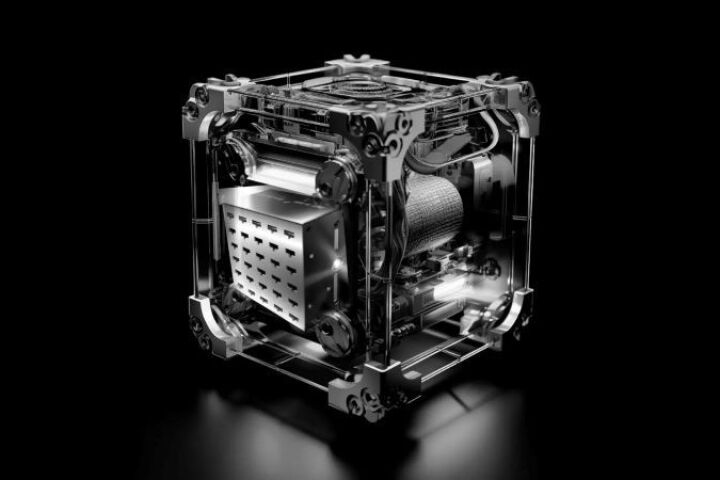 Rocket science got a bit more science-fiction-like as RocketStar announces it has successfully demonstrated a new ion drive that incorporates nuclear fusion. It's not the sort of fusion that powers the Sun, but it does improve thrust by 50%.
 -
 Want to see if SpaceX's Starship steps up or blows up on its third orbital launch attempt? Here's how to watch the action live from the Starbase facility in Texas. And, after the first two launch attempts, you can expect some drama.
 -
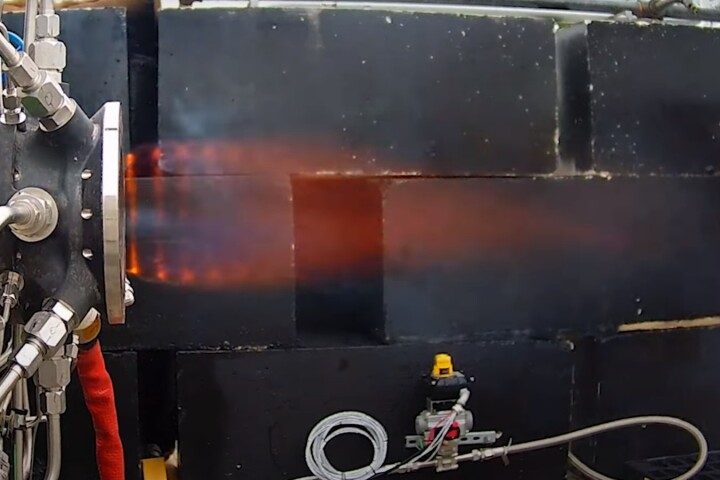 A revolutionary alternative to conventional rockets that uses controlled explosions has completed its first long-duration engine test as part of Venus Aerospace's partnership with DARPA to develop a Rotating Detonation Rocket Engine.
 -
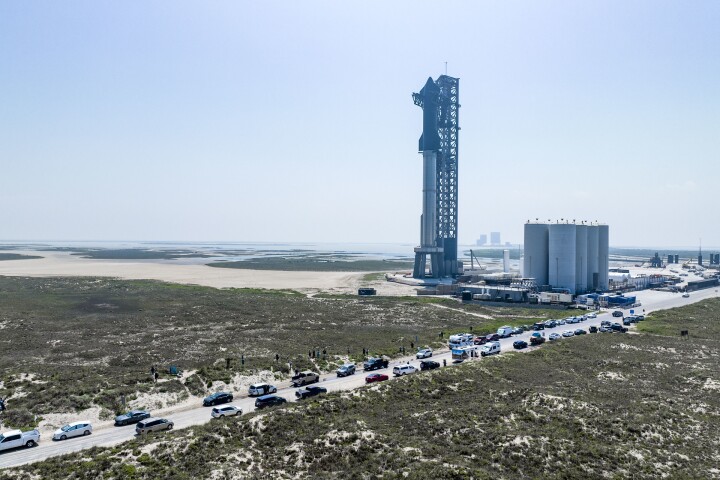 SpaceX's flagship new rocket is an absolute monster of a space vehicle. It blasted its launchpad to pieces on its maiden test flight – and Kennedy is now scrambling to prepare for a launch schedule that's unprecedented in mass and sheer frequency.
 -
 If a new rocket developed by University of Glasgow engineers seems to get smaller as it burns, your eyes aren't playing tricks. It is. The new Ouroborous-3 (sic) rocket engine conserves fuel by eating itself as it burns.
 -
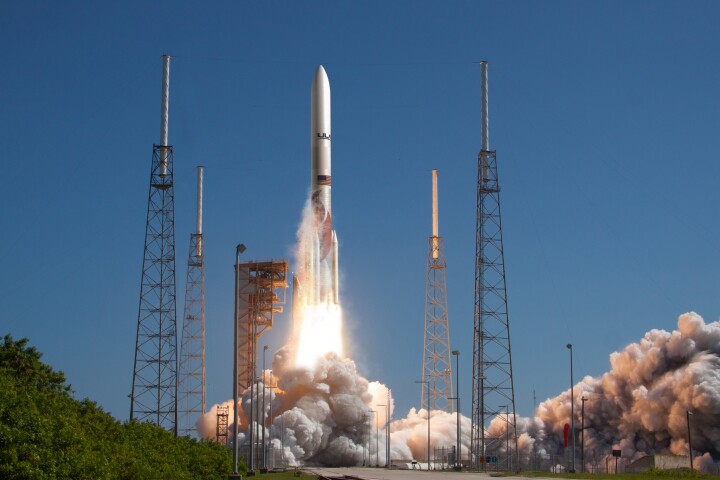 When the first US Moon landing mission since Apollo lifts off tomorrow, it will be launched into space by a new generation of rockets called Vulcan, which are powered by two methane engines and the longest single-segment solid rocket booster ever built.
 -
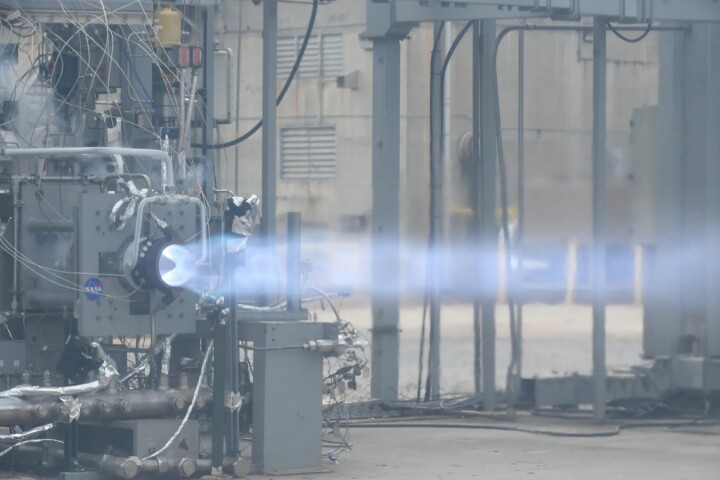 NASA has pushed forward a revolutionary new rocket technology at its Marshall Space Flight Center in Alabama. Engineers at the facility fired the 3D-printed Rotating Detonation Rocket Engine (RDRE) for a record 251 seconds with 5,800 lb of thrust.
 -
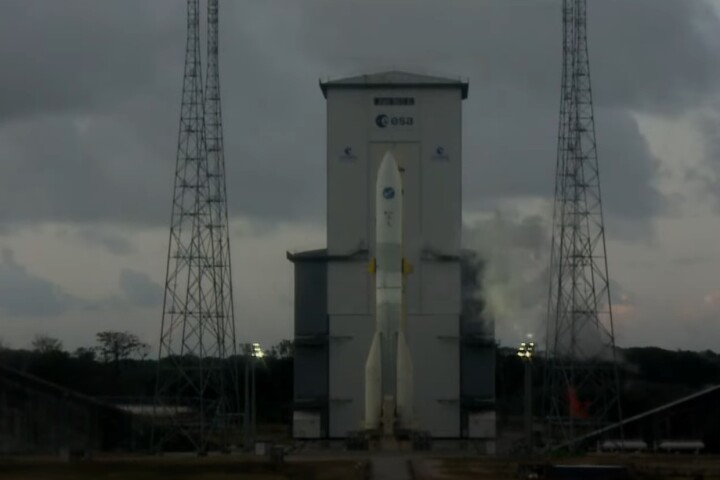 ESA's next-generation Ariane 6 heavy rocket came another step closer to flight on November 23, 2023 as it completed a long-duration hot-fire test of the stacked booster's Vulcain 2.1 engine at Europe’s Spaceport in Kourou, French Guiana.
 -
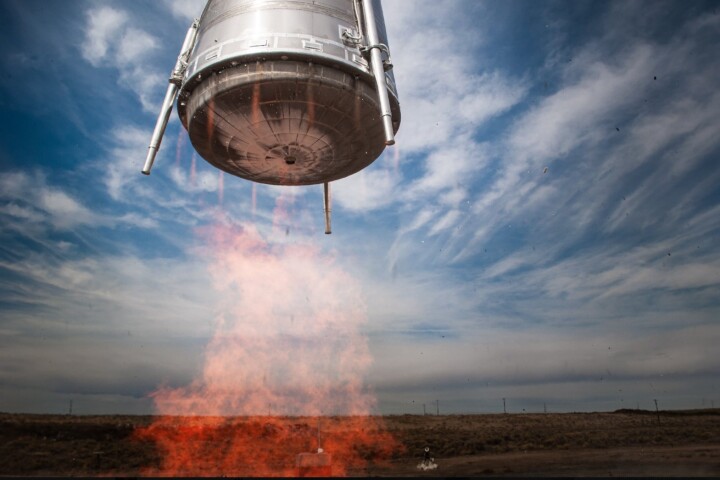 Startup Stoke Space has successfully completed a 15-second vertical launch/vertical landing test of its Hopper VTVL reusable rocket that is capable of atmospheric reentry and landing after acting as a launch vehicle second stage.
 -
 Imperial College is developing a rocket thruster called the Iridium Catalysed Electrolysis CubeSat Thruster (ICE-Cube Thruster) that is so small that it can only be fabricated using techniques originally designed for making silicon chips.
 -
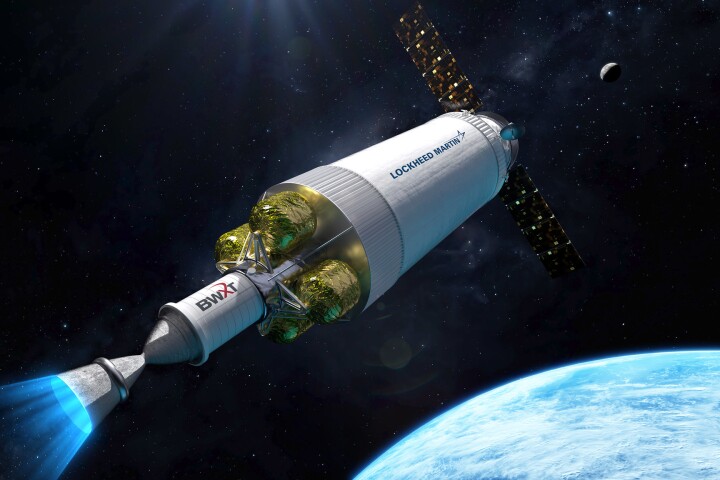 The first crewed mission to Mars may get there and back a bit faster and safer if a contract DARPA has awarded to Lockheed Martin bears fruit. The contract is to rapidly advance and fabricate a nuclear thermal rocket engine scheduled to fly by 2027.
 -
 China has stolen a march on the rest of the world by successfully launching the first space rocket powered by liquid methane and oxygen. The Suzaku-2 Yao booster successfully lifted off from the Jiuquan Satellite Launch Center in China on July 12.
Load More