
Robots
-
 Back in January, researchers showed off the kitchen skills of an open-source Aloha housekeeping robot. Now the Unleashed project gets to grips with knotting shoelaces, hanging shirts and even repairing other robots.
 -
 After almost 10 years of often-jaw-dropping achievements, Boston Dynamics has said farewell to Atlas, the world’s most dynamic – and groundbreaking – humanoid robot with a compilation video of thrills (and spills) and behind-the-scenes footage.
 -
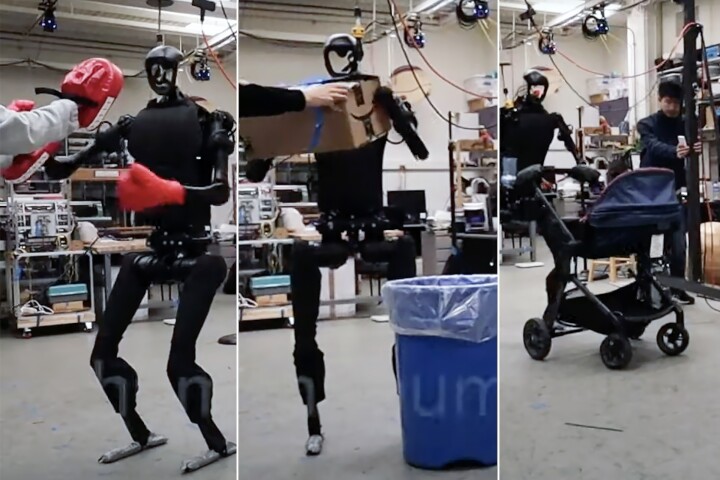 Researchers have developed a reinforcement learning-based framework that allows a full-sized humanoid robot to be teleoperated by a human in real-time using only an RGB camera. Which begs the question: Will manual labor soon be performed remotely?
 -
 Hyundai and Kia are gunning for office mailroom jobs with the introduction of the DAL-e Delivery robot, that can not only distribute packages around a building autonomously, but can also do the coffee run.
 -
 The XPeng Unicorn is a pony-sized robotic companion with the foundations to become much more. Shown to the world for the first time this week at the Bangkok International Motor Show, the Unicorn has the potential to become a market maker.
 -
 A robot that senses when a human is about to smile and simultaneously responds with one of its own could represent a big step towards developing robots with enhanced communication skills more conducive to building human trust, a new study suggests.
 -
 After setting a new world speed record for humanoid robots earlier this month, China's Unitree is now claiming another. Its latest H1 bipedal takes the title for first to perform a standing backflip without the use of hydraulics.
 -
 NVIDIA has announced that it's building a new AI platform for just about all of the big players in humanoid robot development, which is based on a general-purpose foundation model that's possibly named after a Marvel talking tree-like creature.
 -
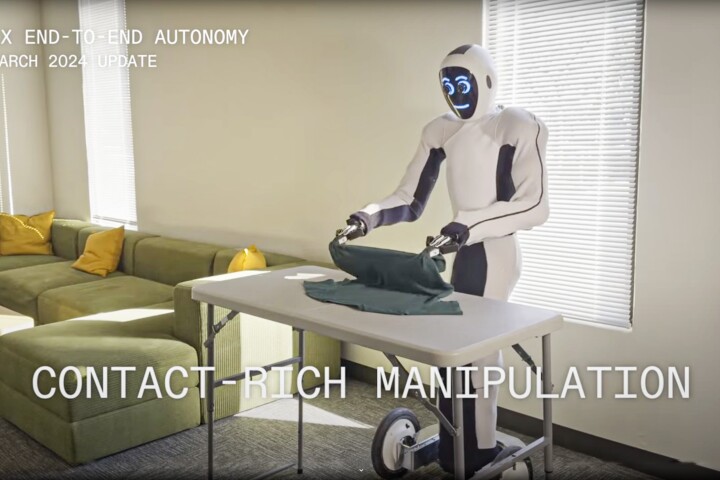 A month ago, we were impressed by these robots being able to pick things up, put them in the right spot, open doors and charge themselves. But new video released hours ago makes it clear that autonomous humanoid work is starting to accelerate like mad.
 -
 A small research group from the University of Michigan has developed a three-legged skating/shuffling robot called SKOOTR that rolls as it walks, can move along in any direction and can even rise up to overcome obstacles.
 -
 Humanoid robots are entering the workforce. Following in the footsteps of Figure 01 at BMW and Digit in Amazon's R&D facility, Apptronik's Apollo bot is helping skilled human workers build cars for Mercedes-Benz.
 -
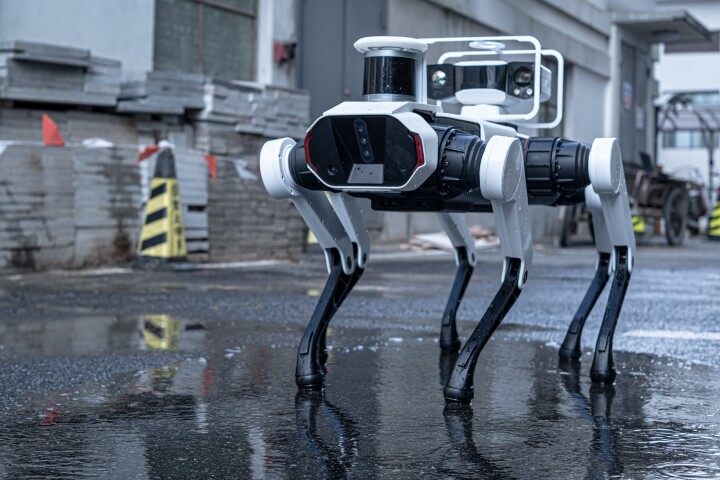 Lenovo probably isn't the first brand that springs to mind if you're on the lookout for a robodog to patrol your warehouse. Yet its Shanghai innovations lab has a versatile six-legged pooch coming this year, which has already nabbed an iF Design Award.
Load More