
Robotics
-
 Australia's robotic submarine program takes delivery of its first Ghost Shark Extra-Large Autonomous Undersea Vehicle (XL-AUV) prototype – a machine that ditches the pressure hull and life support to gain an edge in size and stealth.
 -
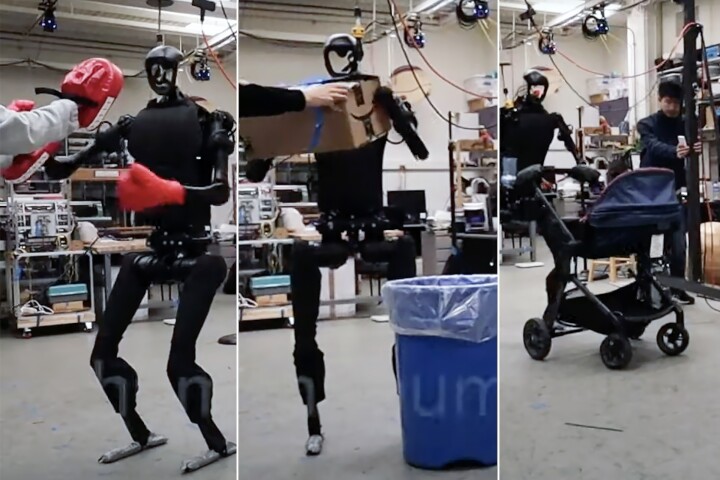 Researchers have developed a reinforcement learning-based framework that allows a full-sized humanoid robot to be teleoperated by a human in real-time using only an RGB camera. Which begs the question: Will manual labor soon be performed remotely?
 -
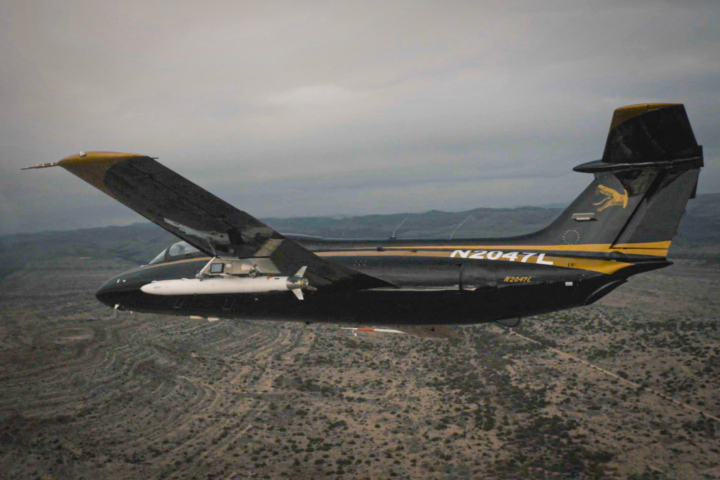 A supersonic drone that will be propelled by a revolutionary new engine has taken to the skies for the first time. When Venus Aerospace's aircraft does go supersonic on a later date, it will be powered by a Rotating Detonation Rocket Engine (RDRE).
 -
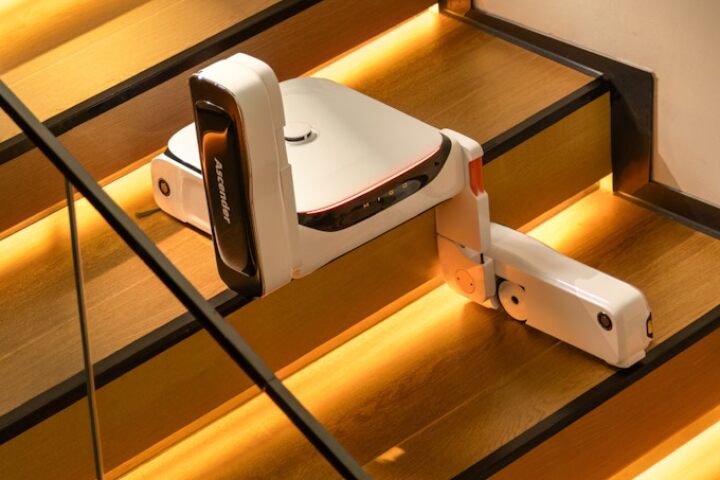 Migo Robotics' Ascender is the world's first stair-climbing robotic vacuum cleaner and floor mop. People certainly seem to like the idea, as its just-launched Kickstarter campaign has already racked up almost $2 million in pledges.
 -
 Scientists have long puzzled over why some dinosaurs had feathers and wings long before they evolved the ability of flight. Experiments with a robot dinosaur may now have revealed the answer – they used them for hunting.
 -
 There have doubtless been times when you've had both hands full, and wished that you had a third arm. Well, scientists have discovered that a robotic third arm can in fact be quite easily controlled via movements of the diaphragm muscle.
 -
 Figure has signed its first commercial deal, and is sending its general-purpose humanoid robots off to start real-world work at BMW's manufacturing plant in South Carolina. Founder and CEO Brett Adcock talks us through this rubber-meets-road moment.
 -
 Elon Musk has Xeeted out a video of Tesla's Optimus humanoid robot folding a t-shirt – which would be great, but then followed up with a second Xeet clarifying that the video is far less impressive than it looks – after being called out by observers.
 -
 Stanford and Google DeepMind researchers have presented an open-source housekeeping robot, and trained it relatively quickly to sauté shrimp, rinse out pans, put pots away in a kitchen cabinet, and clean up wine spills – but it has greater ambitions.
 -
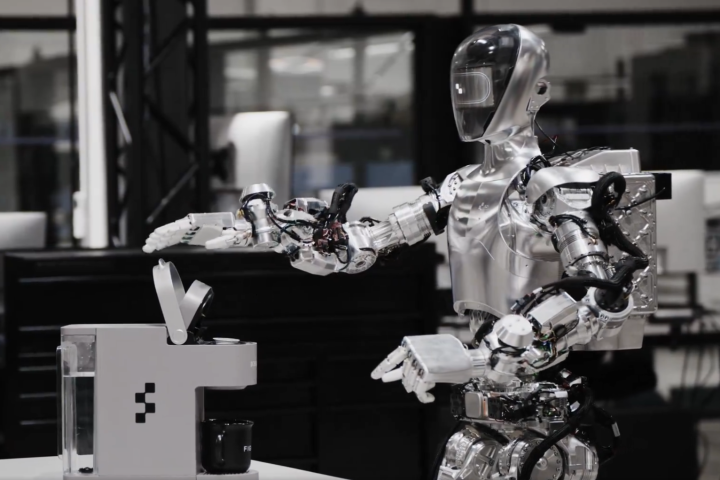 Figure's Brett Adcock claimed a "ChatGPT moment" for humanoid robotics on the weekend. Now, we know what he means: the robot can now watch humans doing tasks, build its own understanding of how to do them, and start doing them entirely autonomously.
 -
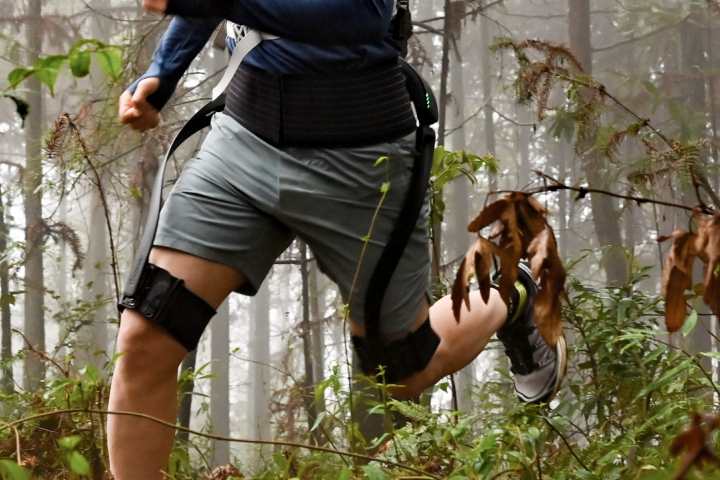 One of the most outlandish Kickstarters of 2023 is still working to empower superhuman outdoor adventurers. The Hypershell Omega exoskeleton was a $1 million Kickstarter success last year, and Hypershell is preparing to show its latest at CES 2024.
 -
 The US Navy has taken delivery of its first giant robotic submarine. Boeing's Extra Large Uncrewed Undersea Vehicle (XLUUV), also known as "Orca," has completed acceptance tests including extensive surface and underwater trials.
Load More