
Robotic
-
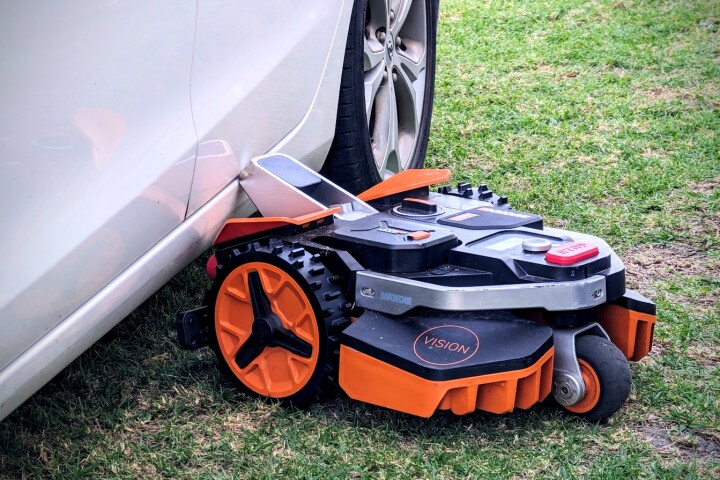 We've now spent several months with the latest wire-free Landroid robo-mower, and we've found it a mix of confusing, educational, satisfying and highly entertaining. Oddly enough, the one thing the Vision seems to need... is a bit more vision.
 -
 Scientists have long puzzled over why some dinosaurs had feathers and wings long before they evolved the ability of flight. Experiments with a robot dinosaur may now have revealed the answer – they used them for hunting.
 -
 Using a novel design inspired by the Japanese art of paper cutting, researchers have developed gentle yet strong robotic grippers that can fold clothes, grasp a drop of water, lift 16,000 times their own weight, and turn the pages of a book.
 -
 Robots often struggle to adapt to changing conditions. Now engineers at Caltech have designed a new robot that can roll around on four wheels, flip them into rotors to fly, or transform for six other types of motion.
 -
 Drones are becoming a mainstay in modern warfare. Now, the Air Force Research Laboratory (AFRL) has countered the emerging threat of drone swarms, using the Tactical High-power Operational Responder (THOR) to take out multiple targets.
 -
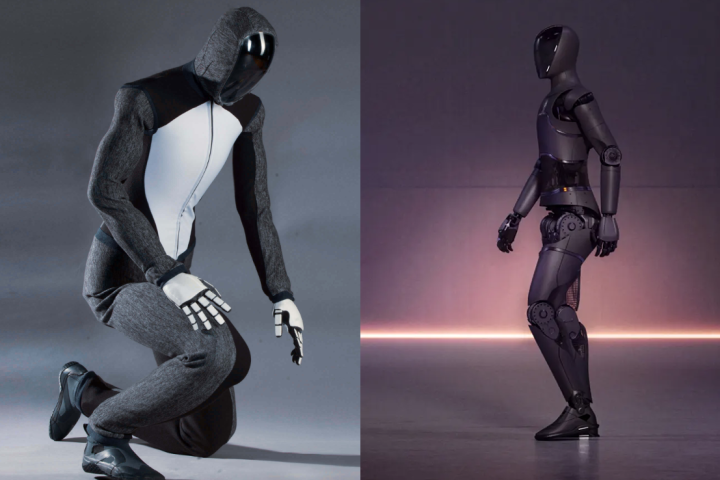 Humanoid robots built around cutting-edge AI brains promise shocking, disruptive change to labor markets and the wider global economy – and near-unlimited investor returns to whoever gets them right at scale. Big money is now flowing into the sector.
 -
 Clone Robotics is going to impressive lengths to make sure its "intelligent androids" will have some of the most human-like hands in the business, and watching the way their hydraulic "muscles" move under a transparent skin is absolutely hypnotic.
 -
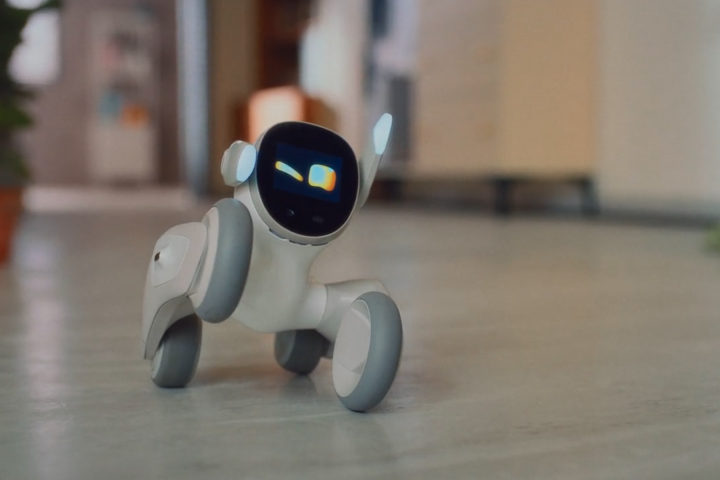 Robot pets have been a sci-fi staple for decades, and in recent years we’ve seen a glut of them with varying success. The latest is Loona, a quite advanced-looking bot with a lot of tricks up its sleeves and a personality straight out of a Disney movie.
 -
 iRobot has rolled out its first entry in the world of vacuum and mopping combination robots with what it says is the most advanced system of its type, featuring a retractable mop head that swings up and out of the way.
 -
 Engineers at MIT have added a new ability to existing flying robots – they can now glow when they flap their wings. Inspired by fireflies, this fluorescence could help with communication or tracking of the tiny, lightweight robots.
 -
 This clever robotic EV charger will find a parking spot, reserve it for you, then sit behind you to charge your EV. It's a nifty idea, but we do wonder how Ziggy will cope with the brutally competitive environment of a mall car park on Christmas Eve.
 -
 If you say “jump” I say “how high?” – and a new robot from UC Santa Barbara says “over 100 ft.” The researchers say that’s higher than anything else has ever jumped, be it robot or animal, thanks to a unique design that multiplies its stored energy.
Load More