
Road
-
 Whether you're on a bike or in a car, potholes are a problem. Maintenance is costly and labor intensive, but UK authorities have successfully tested a prototype autonomous machine designed to detect and seal surface cracks that can grow into potholes.
 -
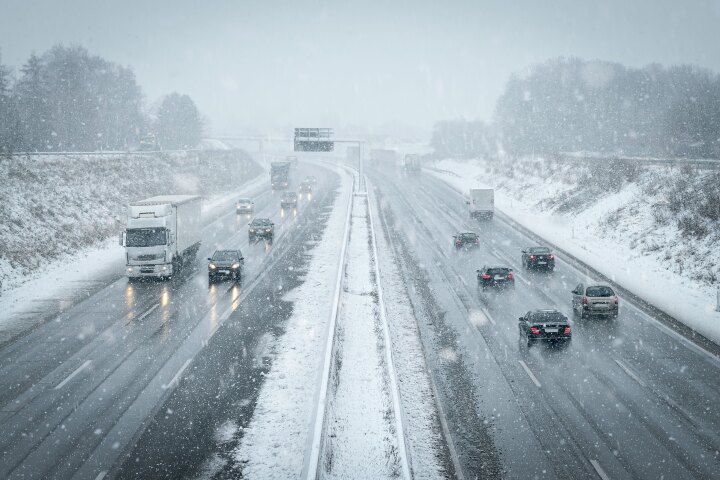 Incorporating a phase-change material into concrete, this self-heating material can melt snow and ice for up to 10 hours without any help. The novel product could reduce the need for plowing and salting and help preserve the integrity of road surfaces.
 -
 While stormwater runoff pollutants in general aren't great for aquatic animals, chemicals from tire particles are particularly harmful to salmon. A study now shows that permeable pavements could keep most of those toxins from ever reaching the fish.
 -
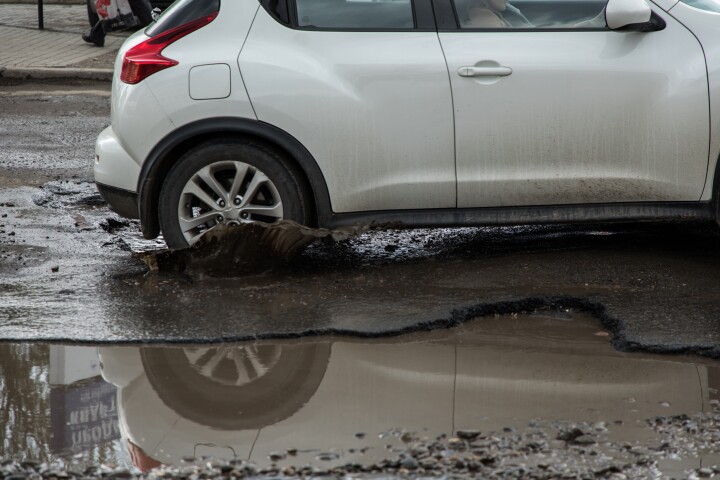 An ambitious project out of the University of Surrey aims to stop potholes from developing, using super-efficient ground source heat pumps and phase change microcapsules. We spoke to team leader Dr. Benji Cao to find out how it works.
 -
 Ice on roads isn't a good thing, but neither are the eco-unfriendly chloride-based salts used to melt it. Scientists have developed a greener and more effective alternative, however, that could be mixed into the asphalt and remain active for years.
 -
 Switzerland's BMC has been manufacturing elite-level performance bikes since the 1980s, and has now announced the launch of a top-of-the-range Class 3 pedal-assist endurance road bike called the Roadmachine 01 AMP X.
 -
 Changing up the recipe could help roads last longer. Researchers in Australia have now shown another advantage of adding rubber from old tires to asphalt – extra Sun protection that could help roads last up to twice as long before cracking.
 -
 We first got wind of Ducati's ebike aspirations in 2018 with the EICMA debut of a pedal-assist mountain bike developed in collaboration with Thok. More ebikes have followed since, and now the company has announced its first road racer, the Futa.
 -
 Although we've been hearing about stronger forms of concrete, one of the keys to making concrete last longer is to keep water from seeping into it. A new surface sealant could help, as it makes existing concrete 75 percent more water-repellent.
 -
 A first-of-a-kind trial now underway seeks to apply the wonder material graphene's impressive attributes to one of the UK's major thoroughfares, by deploying it in a road resurfacing project along a stretch of the A1.
 -
 Researchers have demonstrated how patterns of string carefully laid out by robotic arms can be used to bind asphalt together in place of environmentally damaging bitumen, resulting in greener roads that are also easier to recycle after use.
 -
 Scientists at RMIT University are continually coming up with ways to work recovered waste items into high-performing road materials. The latest is made with help from shredded face masks and they claim it offers some unique engineering advantages.
Load More