
Research
-
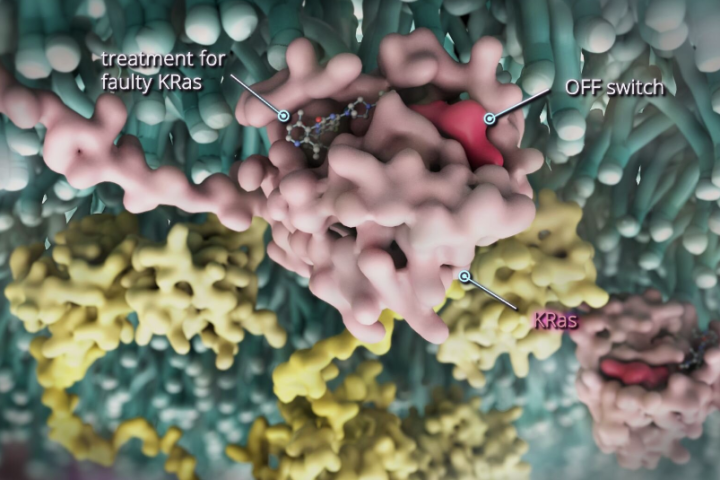 In what has already been tagged as a “game-changer” for cancer treatment, the potent once-a-day tablet known as divarasib has continued to impress at Phase 1b trial stage, outperforming not just current therapies but its previous trial results.
 -
 With spines like a hedgehog, feet like a mole and snout like an anteater, this bizarre animal is hard to miss. Yet it has been missing, presumed extinct since 1961 – that was until it had the audacity to saunter past a well-placed research camera.
 -
 With more than 1,000 bacterial species, the gut microbiome is an untapped resource of disease-fighting power. Now, scientists have found a way to rank crucial members of this 'microscopic multicultural community', which has massive medical potential.
 -
 A UK team has revealed plans to build an incredibly ambitious underwater habitat named Sentinel. Assuming it goes ahead, it could revolutionize deep sea research by allowing scientists to live underwater for extended periods in relative comfort.
 -
 Construction work is currently underway on a new artificial intelligence research laboratory designed by PLP Architecture. Located in Shanghai, China, the building's overall form is inspired by a computer motherboard and CPU.
 -
 From the first published data out of large clinical trials testing MDMA and psilocybin, to some incredible work investigating what psychedelics actually do to a mammalian brain, here are the highlights from a truly landmark year in psychedelic science.
 -
 The US National Institutes of Health is investing $470 million dollars into research on long COVID. The massive nationwide study into this often-debilitating condition will include tens of thousands of patients and span more than 30 research institutions.
 -
 Do beards to protect our faces from punches? Does corruption in a given country correlate with how obese its politicians are? And why are scientists hanging rhinos off helicopters upside-down? These are a few of this year's Ig Nobel Prize winners.
 -
 A new study in the journal Science Advances presents the latest research demonstrating the potential effectiveness of an inhalable COVID-19 vaccine. The vaccine is one of several in development designed to be administered through a nasal spray.
 -
 How much of a problem is it if participants in psychedelic clinical trials can easily tell they have been given a placebo? Researcher Suresh Muthukumaraswamy suggests it is, and many findings from recent psychedelic trials may be over-estimated.
 -
 Lockdowns, lab closures, funding cuts, and delays to ongoing clinical trials have all contributed to cancer research disruptions that may set the field back two years, according to new estimates made by the Institute of Cancer Research in London.
 -
 ScienceEye tracking cameras and AI analysis can reveal your identity, gender, age, ethnicity, weight, personality traits, drug habits, emotions, skills, abilities, fears, interests, and sexual preferences, says a rather dystopian research review.
Load More