
Repair
-
 Many of the gadgets we use every day have a limited shelf life, and often end up as e-waste before their time. The Dutch company that launched a repairable, upgradeable, sustainable smartphone has now taken the challenge to true wireless earphones.
 -
 Whether you're on a bike or in a car, potholes are a problem. Maintenance is costly and labor intensive, but UK authorities have successfully tested a prototype autonomous machine designed to detect and seal surface cracks that can grow into potholes.
 -
 Ordinarily, when there's a leak in an underground natural gas pipeline, the affected section of pipe has to be excavated and replaced. Soon, however, a pipe-inspecting and -repairing modular robot may make doing so unnecessary.
 -
 Researchers have discovered how a metabolite involved in repairing damaged DNA not only controls a person’s sensitivity to cancer therapies but can also protect healthy tissues from damage. The findings may lead to more effective cancer treatments.
 -
 Back in 2013, a Dutch startup launched a smartphone made using ethically sourced materials and designed for extended service life. Now the Fairphone has entered its fifth generation, sporting an OLED display, 50-MP cameras and fast charging.
 -
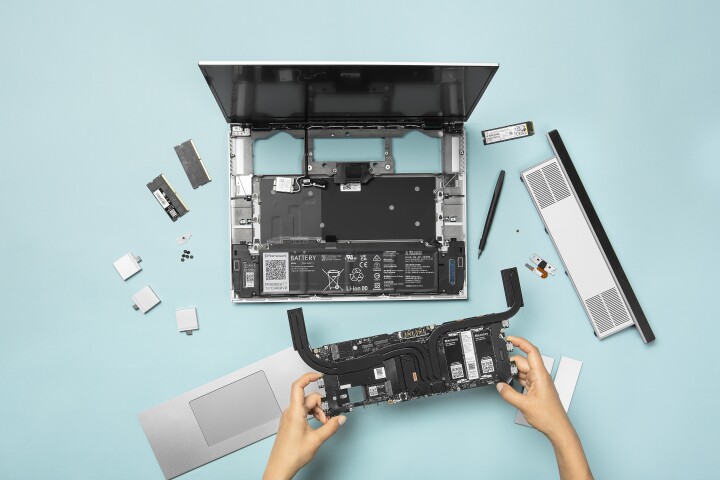 The 16-inch version of the customizable, repairable and upgradeable laptop announced by California tech startup Framework back in March has now gone up for pre-order, with Ryzen silicon and Radeon graphics leading the component charge.
 -
 Cycling multitools are known for … well, for combining multiple bike-related tools in one device. The DTool, however, may have all others beat, as it reportedly plays host to a whopping 48 separate tools.
 -
 Back in early 2021, a Californian startup revealed plans to launch a 13-inch laptop that users could upgrade, repair and customize. Now the company is about to launch the Framework Laptop 16, which will allow users to upgrade discrete graphics.
 -
 While there are some mechanical problems that can easily be detected by a car's onboard sensors, there are others which are a bit trickier. The V2M system is designed to catch those other ones, by listening for them using onboard modules.
 -
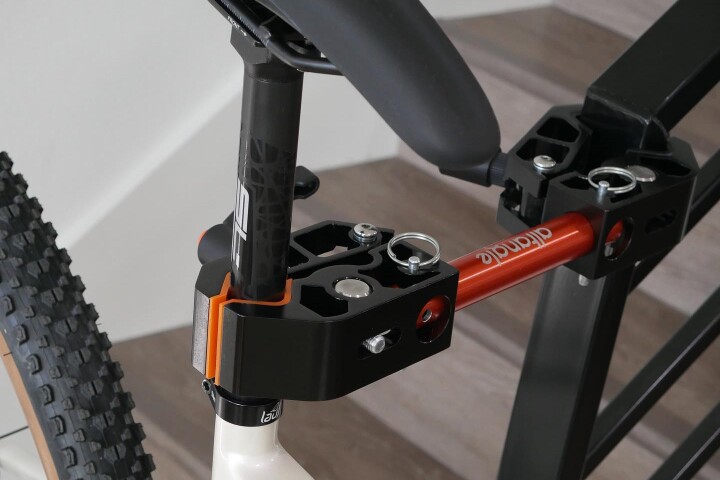 While bicycle repair stands certainly come in handy, they can be rather awkward to bring on road trips, or to set up in small apartments. The Hangar Connect offers a more compact alternative, as it simply gets clamped onto whatever's at hand.
 -
 Back in early 2021, a Californian startup launched a 13.5-inch laptop designed for easy upgrade and repair by the user. The Framework Laptop has since been updated, and now the company has expanded the idea into Chromebook territory.
 -
 Researchers at UNC have discovered that a common lab molecule, used to label DNA, can trigger a runaway process that eventually leads to cell death. But the team says this could have a positive use too, as a potential cancer treatment.
Load More