
Raytheon
-
 The US Navy and US Air Force have tapped Raytheon to design, build and test two high-power microwave antenna systems. These will be used in field-grade directed energy weapons to counter aerial drones and similar threats.
 -
 DARPA has tapped Raytheon to design and develop a wireless, airborne relay system to "deliver energy into contested environments," as part of its Energy Web Dominance program, in which DARPA wants to be able to power anything from nearly anywhere.
 -
 The US Missile Defense Agency (MDA) has completed a major test (FTG-12) of a stage-selectable Ground-Based Interceptor (GBI) missile system that destroyed an air-launched Intermediate Range Ballistic Missile (IRBM) target vehicle.
 -
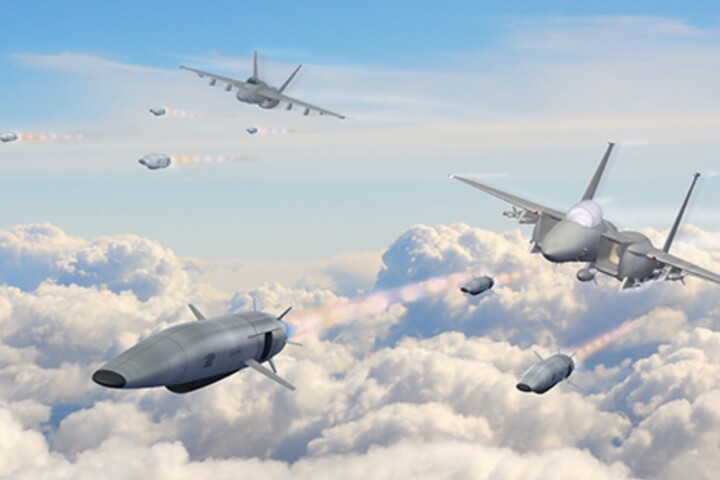 DARPA has contracted Raytheon to develop a practical version of a revolutionary air-breathing rotating detonation engine called Gambit, which would have no moving parts and could lead to lighter missiles with longer ranges at lower cost.
 -
 In another step from the workbench to the battlefield, Raytheon UK is integrating its first high-energy 15-kW laser weapon into a Wolfhound armored vehicle for the British Army as part of the Ministry of Defence's Land Demonstrator laser program.
 -
 Collins Aerospace has come up with a new oxygen system for special forces soldiers making insanely high parachute jumps from up to 33,000 ft that automatically adjusts itself as they plummet at 126 mph for chute openings as low as 3,000 ft.
 -
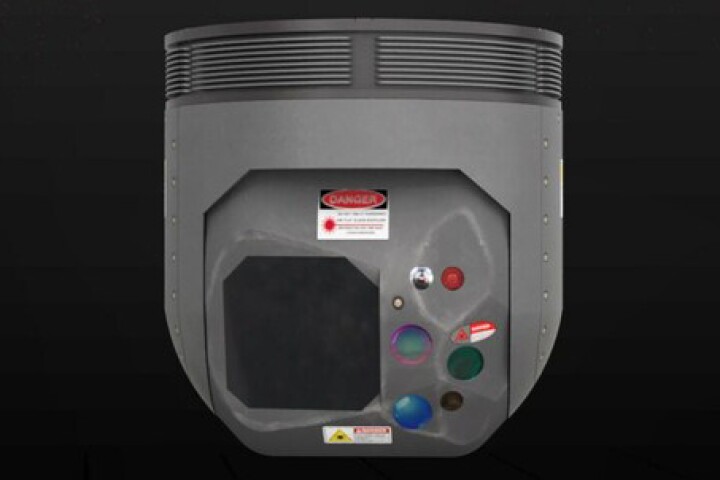 Raytheon has unveiled RAIVEN, its latest military optical sensor for aircraft that uses a multi-spectrum electro-optical system combined with artificial intelligence to give pilots a fivefold increase in clarity and range.
 -
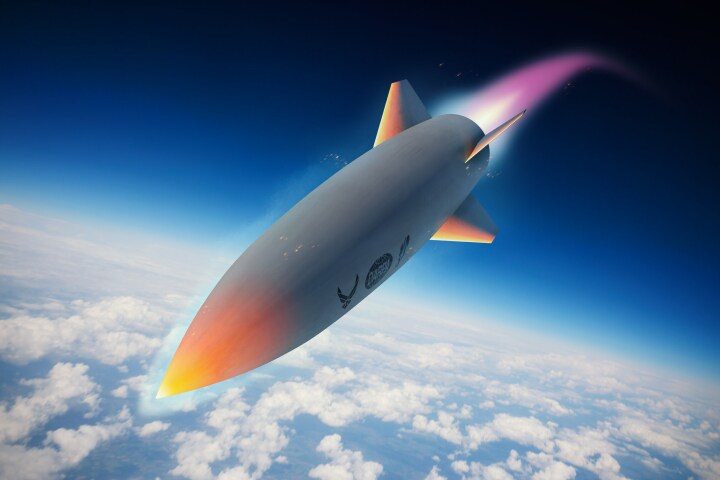 A DARPA-led project has successfully completed the final test of Lockheed Martin's Hypersonic Air-breathing Weapon Concept (HAWC) missile. Powered by an Aerojet Rocketdyne scramjet, the craft reached a speed in excess of Mach 5 over a course 300 nm.
 -
 The US hypersonic weapons program has reached a major milestone, with a Hypersonic Air-breathing Weapon Concept (HAWC) hypersonic cruise missile developed by Raytheon Technologies and Northrop Grumman completing two successful flight tests in a row.
 -
 Using a 50-kW high-energy laser weapon, a US Army Stryker combat vehicle acquired, tracked, targeted, and defeated multiple 60-mm mortar rounds and other threats during four weeks of live-fire exercises at the White Sands Missile Range in New Mexico.
 -
 Raytheon Missiles & Defense and Northrop Grumman successfully flew an air-breathing hypersonic missile. Part of a program for DARPA and the US Air Force, the HAWC prototype promises hypersonic missiles that can fly farther and at lower altitudes.
 -
 In a first-of-its-kind technology demonstration, an uncrewed vehicle operated by the US Marine Corps has launched an anti-ship missile from the shore during a live-fire exercise in Hawaii, scoring a direct hit.
Load More