
Quantum
-
 The weak gravitational pull on a particle just half the mass of a grain of sand has been measured for the first time. This most precise measurement of its kind is a breakthrough towards the quantum realm and a potential Theory of Everything.
 -
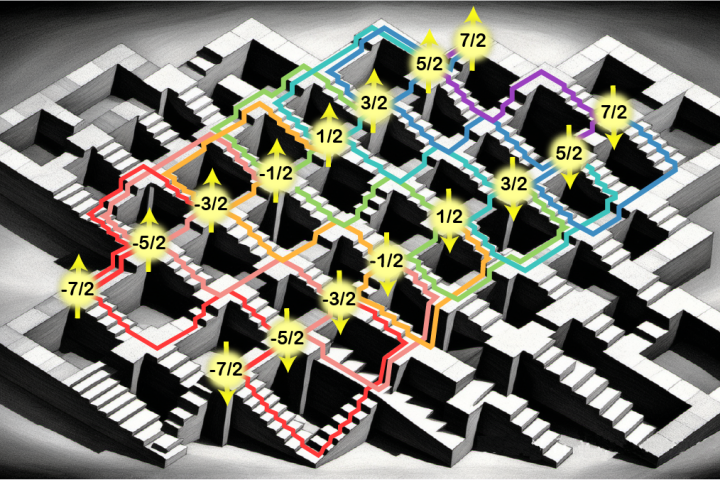 You can cram much more quantum processing power into a given space if you use four different ways to store data on a single atom, according to new research. The method unlocks more powerful quantum computers that are easier to control.
 -
 From where “love” is felt in the body, to the scientific value of giant piles of bird poop, and talking to whales as practice for understanding aliens, here are the top 10 weirdest science stories of 2023.
 -
 Causality is key to our experience of reality: dropping a glass, for example, causes it to smash, so it can’t smash before it’s dropped. But scientists have now demonstrated how that understanding of time can be violated to charge a quantum battery.
 -
 A unified Theory Of Everything is the holy grail of physics, but gravity refuses to play ball. A newly proposed theory attempts to unify Einstein’s theory of gravity with quantum mechanics – and importantly, outlines a way to test it experimentally.
 -
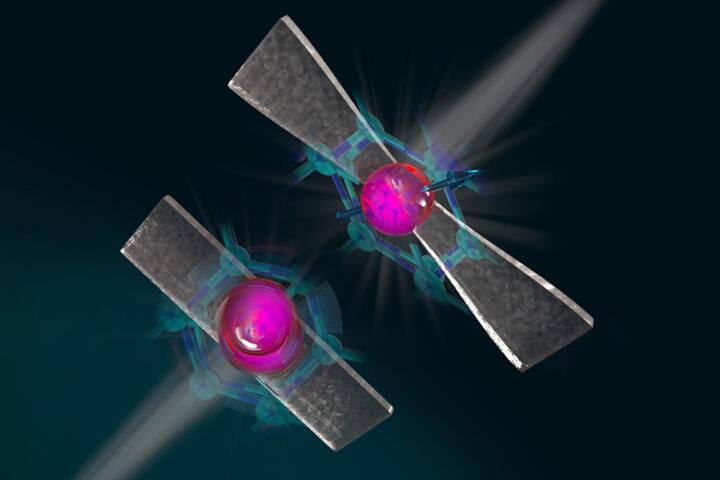 Researchers are claiming a breakthrough in quantum communications, thanks to a new diamond-stretching technique they say greatly increases the temperatures at which qubits remain entangled, while also making them microwave-controllable.
 -
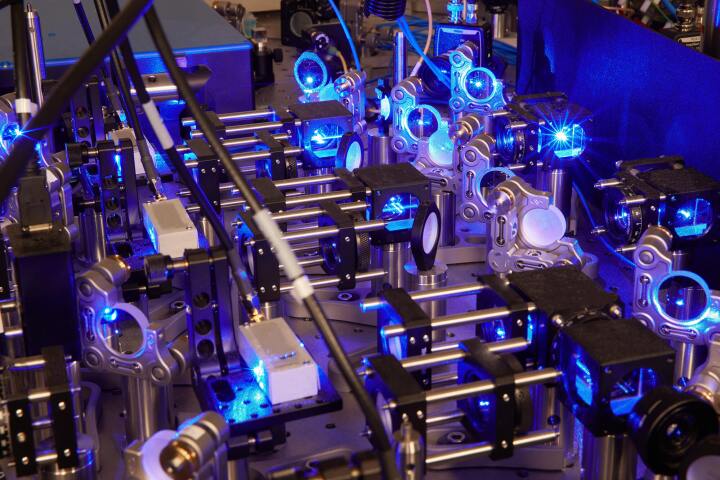 Atom Computing has announced the first quantum computer to pass the 1,000-qubit milestone. The prototype, due to become available for use in 2024, leapfrogs IBM’s announcement of its new quantum computer platform expected in the next few weeks.
 -
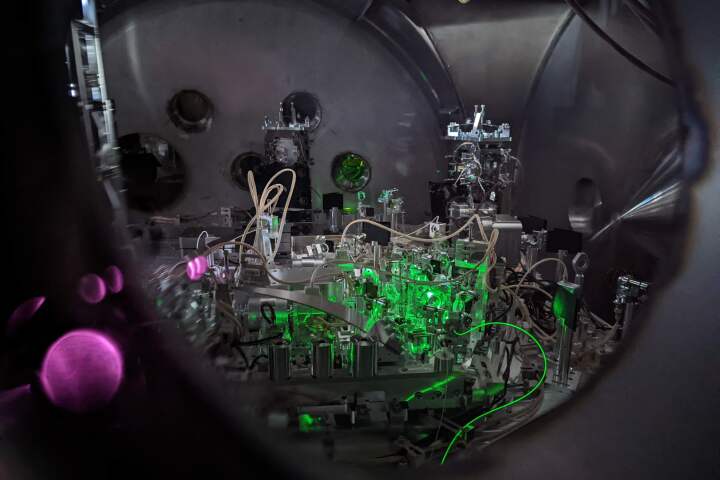 Gravitational wave facilities measure spacetime distortions down to 10 quadrillionths of a hair – small enough for interference from particles popping in and out of existence. Now LIGO has pushed beyond this quantum limit by “squeezing” laser light.
 -
 Scientists in Australia have used quantum computers to observe something usually too fast for the eye to see. The team managed to slow down a molecular interaction by 100 billion times to see what’s really going on in a common chemical reaction.
 -
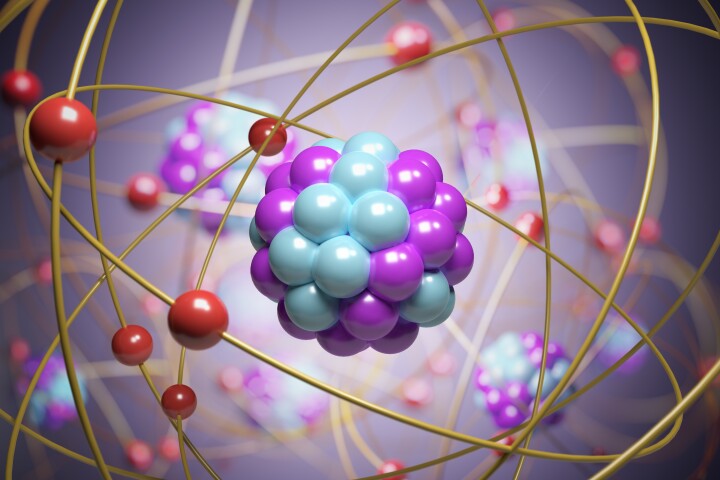 Scientists have detected the first evidence of a phenomenon called “quantum superchemistry.” Long predicted but never confirmed, this effect could speed up chemical reactions, give scientists more control over them, and inform quantum computing.
 -
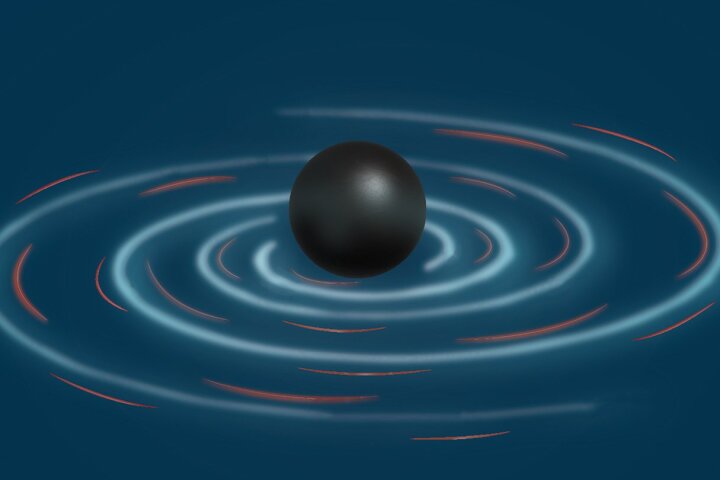 Gravity is the only fundamental force that can’t currently be explained by quantum physics. Now scientists have outlined a plan to look for signs of quantum gravity out in the cosmos by listening in to the 'ringing' of colliding black holes.
 -
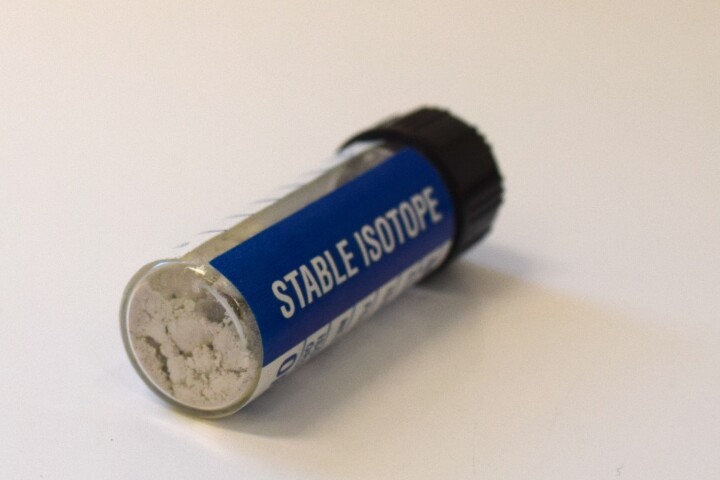 To make the United States self-sufficient in rare exotic elements, the Oak Ridge National Laboratory (ORNL) has developed a latest generation electromagnetic isotope separator (EMIS) to harvest stable isotopes across the entire periodic table.
Load More