
Protein
-
 Fractals are a fascinating type of pattern for mathematics nerds, with their repeating, artificial-looking structures. Now, scientists have discovered the first known fractal protein – and it seems to be an evolutionary accident.
 -
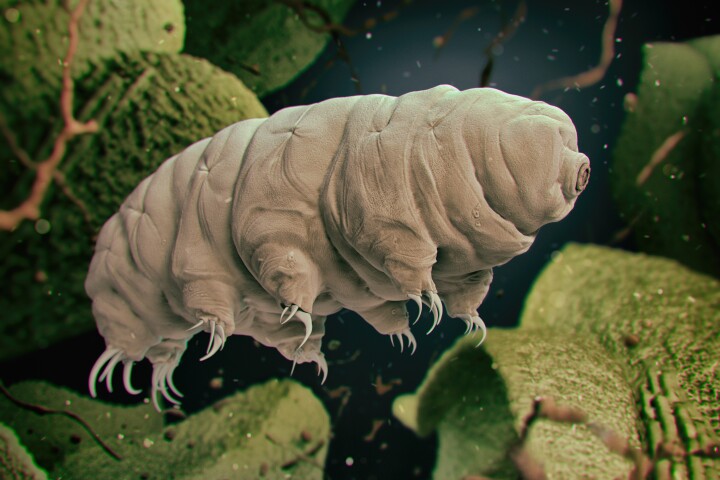 Tardigrades are famously tough little critters, and good for them – but what’s in it for us? A new study has found that tardigrade proteins can protect human cells from damage, potentially leading to new anti-aging therapies or tissue storage tech.
 -
 You may not want to meet a live one, but would you swap out steak for snake? These 'danger noodles' have been tabled as a high-protein, low-fat food source, and a more sustainable meat option. It sure changes the meaning of the phrase 'snake bite'…
 -
 The body uses protein-based molecular motors to perform functions essential to life. Now, researchers have created ‘The Lawnmower,’ the first synthetic motor that propels itself by harnessing the energy it creates as it cuts through fields of proteins.
 -
 A new study may explain the variable severity of SARS-CoV-2 from person to person. Using AI-driven machine-learning researchers discovered the virus is broken down into fragments, and this debris resembles peptides that overstimulate the immune system.
 -
 Using a virus-mimicking DNA scaffold instead of the usual protein one to deliver a vaccine to mice not only generated a robust immune response but avoided the off-target effects sometimes seen when proteins are used.
 -
 Researchers have developed a peptide that targets a protein implicated in 75% of human cancers and found that it slowed the proliferation of cancer cells in the lab. It’s the first step towards developing an effective treatment for a range of cancers.
 -
 Researchers have created a ‘two-headed’ drug that prevents the production of the toxic protein linked to Parkinson’s disease before destroying the RNA machinery that makes it. The drug may be a way of slowing or even stopping the disease’s progression.
 -
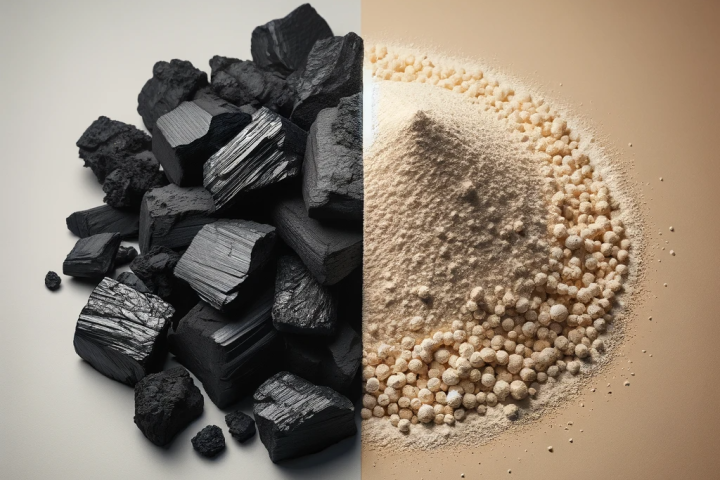 Chinese scientists have developed a cost-effective method of converting coal into protein, which they say could feed livestock much more efficiently than natural plants, while using a tiny fraction of the land.
 -
 A study has found that treatment with a ‘chemical chaperone’ reduced the accumulation of protein plaques and restored cognitive functioning in mouse models of Alzheimer’s, which could lead to novel treatments to help treat the debilitating disease.
 -
 Researchers discovered that a modification to the synthetic mRNA used in therapeutics can cause the cell’s machinery to misread its instructions, leading to unintended immune responses. Importantly, they’ve also discovered a solution to the problem.
 -
 Scientists have solved the mystery of which protein triggers the onset of many cases of frontotemporal dementia, paving the way for more effective early diagnosis of the degenerative disease and the development of potentially life-changing treatment.
Load More