
Plastics
-
 Back in 2022, the strange-looking prototype igus:bike rolled into the spotlight boasting an angular frame, funky wheels and even bearings made using recycled plastic. Now the newly-named RCYL bike is riding into production.
 -
 Sales of vinyl records have been on the rise for a few years now, but the plastic used to create them is bad news for the enviro-conscious listener. A UK startup is hoping to change that by pressing for plant-based alternatives.
 -
 Using advanced single-particle imaging technology, researchers have ascertained the number of nanoplastics – plastic fragments smaller than a micrometer – in bottled water, finding that, on average, a liter contains 240,000 detectable fragments.
 -
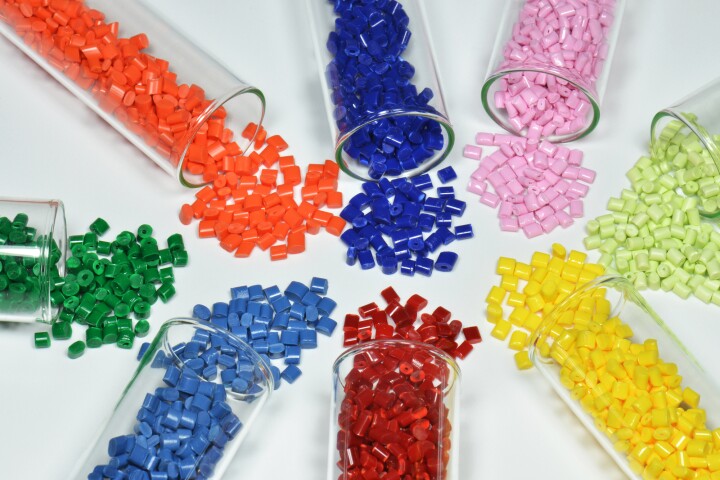 While the use of recycled plastics is normally considered a noble endeavor, a new study says it's time to think twice. In an analysis of the material from more than 10 different countries, hundreds of potentially harmful chemicals were uncovered.
 -
 Japanese scientists have developed a new type of plastic that can easily break down on demand into its base components. In seawater it starts to break down into food for marine life, and just to top it off, it can self-heal and remember past shapes.
 -
 You may have downed the blue-green algae known as spirulina while on a health kick, but now, researchers have used it to create a bioplastic that will degrade in your compost bin in the same amount of time it takes for a banana peel to break down.
 -
 Nylon can be found everywhere in modern life, from the clothes we wear to the seatbelts in our cars. The problem is that producing it can be a dirty business, but researchers say a new method can make nylon production significantly greener.
 -
 Newly discovered cold-adapted microorganisms "eat" plastic at temperatures lower than currently required. The discovery is the first step towards developing a more effective industrial-scale method of ridding the planet of plastic pollution.
 -
 Although ebikes are generally thought of as a green form of transportation, most are made of materials with a fairly large carbon footprint. The Multipath is a bit different, in that its frame is made of recycled plastic and alloy.
 -
 While we use around five trillion plastic bags every year, disposable alternatives aren't that much better. A group of scientists, however, want us to rethink the humble paper bag, making it super strong, durable and a handy source of biofuel.
 -
 When we think of graphene, we tend to think of its use in applications like electronics, medical devices and construction materials. Now, however, it's been incorporated into an additive which reportedly boosts the performance of humble plastic film.
 -
 Scallops' soft bodies are well-protected by their hard shells, so … could those same shells protect human heads? That question was asked by the Japanese designers of the Shellmet, which is a helmet made partially of scallop shells.
Load More