
Plastic
-
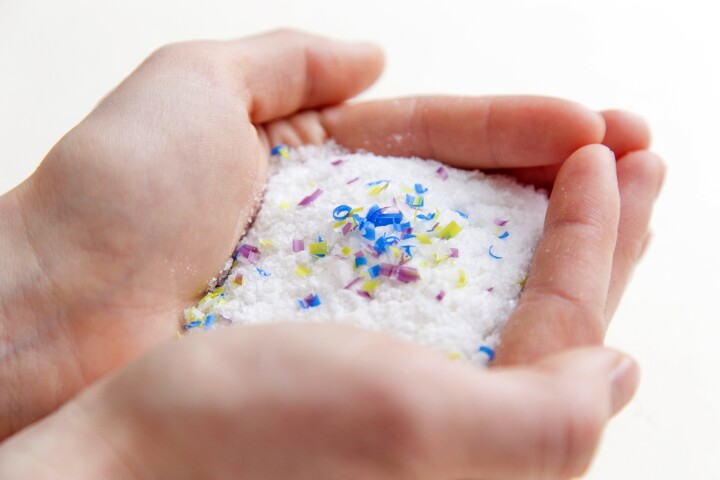 Even when it’s ground into microparticles, 97% of an algae-based plastic biodegrades in compost and water in under seven months, a new study has reported. The researchers hope their plastic will eventually replace existing petroleum-based ones.
 -
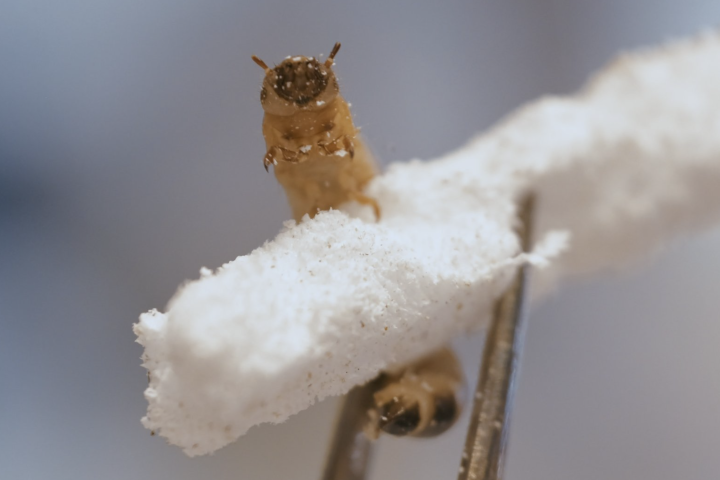 Scientists have created a lab-grown microbiome like the one found in a tiny plastics-munching worm, and it has the potential to efficiently and sustainably biodegrade the world's most common and troublesome plastics – all without the need for the worms.
 -
 Exposure to phthalates, a commonly used chemical in plastics, has been estimated to be the primary cause of one in 10 preterm births, according to a new study led by researchers from the New York University Grossman School of Medicine.
 -
 Surfers seem like a fairly eco-minded bunch, which is why it's ironic that most surfboards are made of petroleum-based, non-recyclable expanded polystyrene (EPS) foam. The Sea Mink is different, in that it's made of 3D-printed recycled plastic.
 -
 Japanese scientists have developed a new type of plastic that can easily break down on demand into its base components. In seawater it starts to break down into food for marine life, and just to top it off, it can self-heal and remember past shapes.
 -
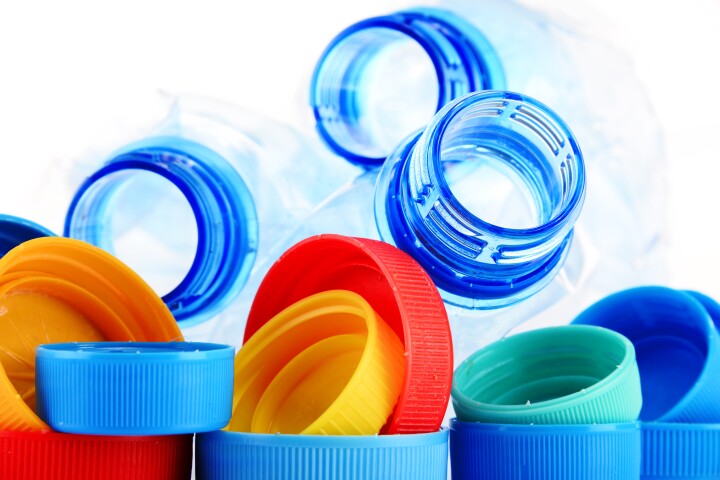 For the first time, scientists have identified a biochemical mechanism linking attention deficit hyperactivity disorder and autism spectrum disorder with common but problematic compound Bisphenol A (BPA), which can leach into food and drink from packaging.
 -
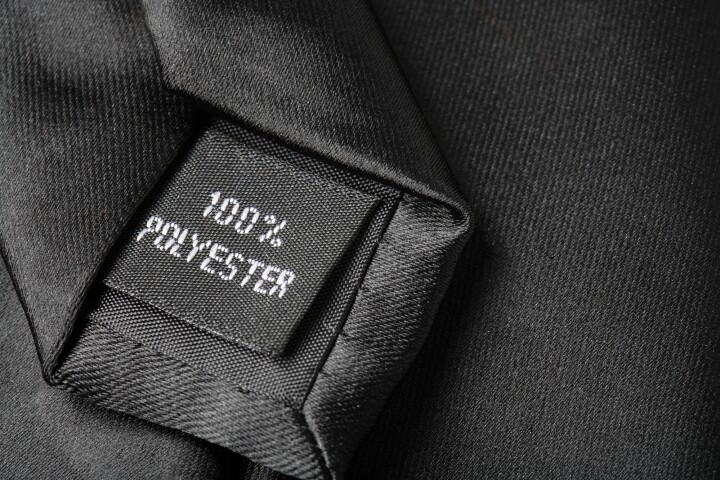 Researchers have developed a way of recycling polyester. Their new method is simple, non-toxic for humans and the environment and, what’s more, it preserves the integrity of the cotton removed from the fabric so that it’s ready for reuse.
 -
 For all its uses, plastic is unfortunately one of our least sustainable materials. Now, scientists at Berkeley Lab have developed a way to engineer bacteria to produce raw materials that can be made into plastics that are completely recyclable.
 -
 We may soon be finishing off a box of cereal and then eating the bag it came in. Researchers have turned to bacteria-produced cellulose to create a single-use packaging material that is sustainable, biodegradable and, what’s more, edible.
 -
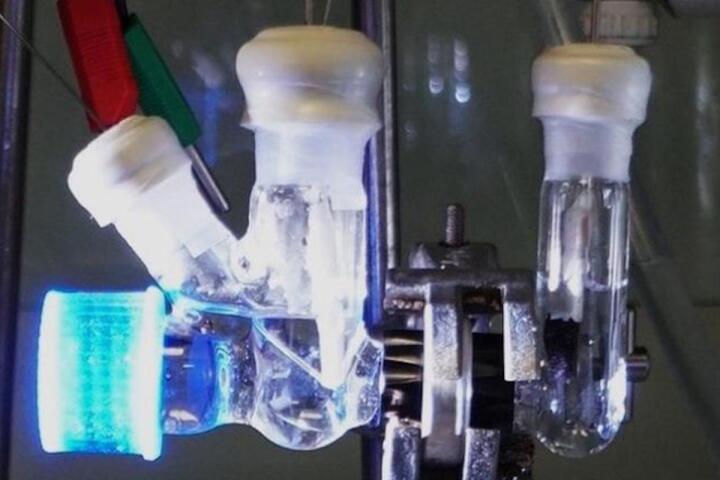 CO2 emissions and plastic waste are two major environmental problems, but a Cambridge device may help tackle both at once. The team demonstrated a new version of their solar reactor, which uses sunlight to convert CO2 and plastic into useful chemicals.
 -
 Polypropylene is one of the most commonly used plastics but there are problems when it comes to recycling. Researchers have developed a new way of breaking down this troublesome plastic by enlisting the help of a couple of common fungi.
 -
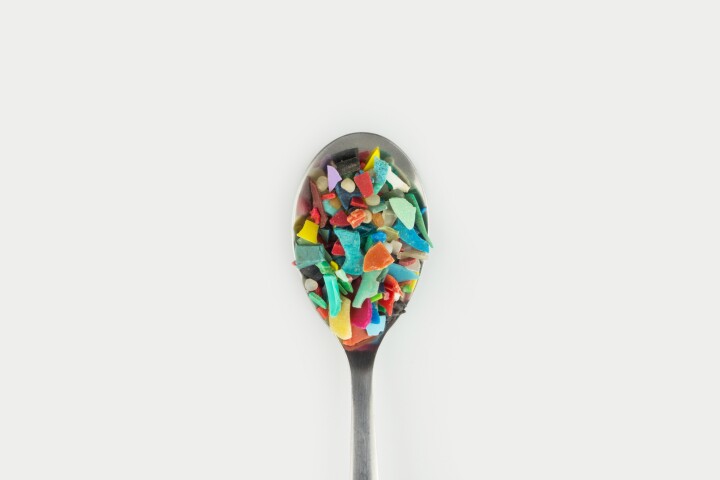 Scientists have described a new disease called plasticosis, caused by – you guessed it – plastic waste. So far it's only been identified in the digestive tracts of seabirds, but the scale of the problem suggests it could be widespread in other species.
Load More