
Oil
-
 When it comes to cleaning up marine oil spills, it's best if you can use a material that separates the oil from the seawater. Scientists have created a new organic membrane which does exactly that, and it's derived from oyster mushrooms.
 -
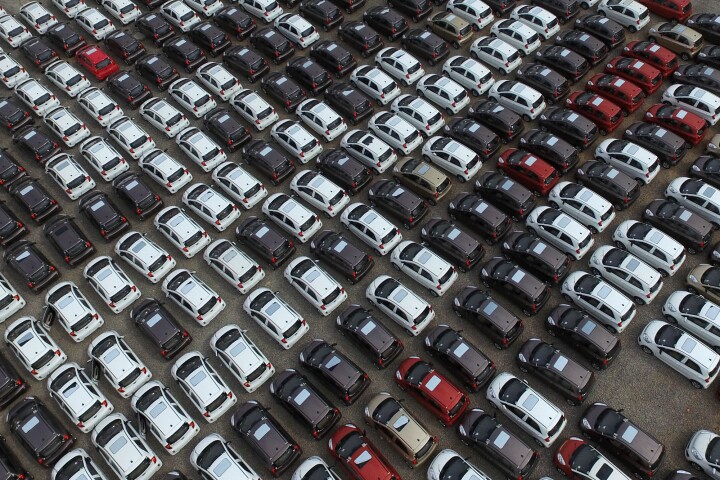 China's extremely rapid adoption of EVs has forced oil giant Sinopec to adjust its forecasts, saying peak domestic gasoline demand has already passed and it's all downhill from here. The repercussions will be global.
 -
 Scientists at the University of Georgia have created a "superfoam" with two very valuable potential applications. It could be used not only to clean up oil spills, but also to keep infections from occurring at medical implant sites.
 -
 It's always upsetting to see images of seabirds covered in crude oil, as the result of an accidental spill. According to a new study, however, even tiny amounts of routinely released waterborne oil may seriously damage such birds' feathers.
 -
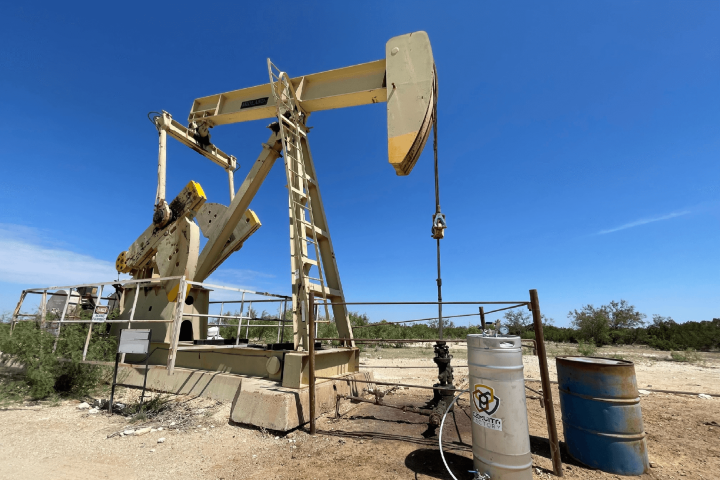 A Texan company promises clean hydrogen at less than US$1/kg, after testing a fascinating new technique in the lab and the field. The idea is to pump specially developed microbes into depleted oil wells, where they'll eat oil and excrete hydrogen.
 -
 The global oil industry wastefully burns off about as much natural gas as is used by all of Central and South America – but a new methane binding agent offers a potential way for this greenhouse gas to be converted economically into liquid fuels.
 -
 It's possible that someday in the future, sunlight-powered robots may be able to swim across marine oil spills, soaking up the oil as they go. A tiny prototype has already been created, and it was inspired by both the steam engine and an insect.
 -
 A new study has found a key fatty acid found in palm oil can promote cancer metastasis in mice. The research, which does not claim dietary palm oil has cancer-causing properties in humans, could lead to new therapies that block cancer spread in the future.
 -
 Last year, we heard how scientists had created eco-friendly soft gel particles from hard grains of pollen. Now, they've used those particles to create sponges that could soak up oil spills, then biodegrade once used up.
 -
 It can be difficult to separate water from oil, which makes water pollution tricky to clean up. Now, researchers at North Carolina State University have found that a bacterial biofilm membrane can effectively let water through while keeping oil out.
 -
 Engineers at Penn State University have developed a new type of flexible cement they say can be used to contain methane leaks, by being fed into the the very fine gaps around deteriorating gas wells that traditional cements are unable to fill.
 -
 Aviation history was made off the coast of Norway recently as a Camcopter S-100 drone rotorcraft delivered a 3D-printed part to an oil rig after a 100 km beyond-line-of-sight flight over the North Sea.
Load More