
Ohio State University
-
 Engaging in activities that are designed to blow off steam when you’re angry probably isn’t going to be effective at reducing your anger, researchers have found. It’s better, they say, to try activities that decrease your physical arousal.
 -
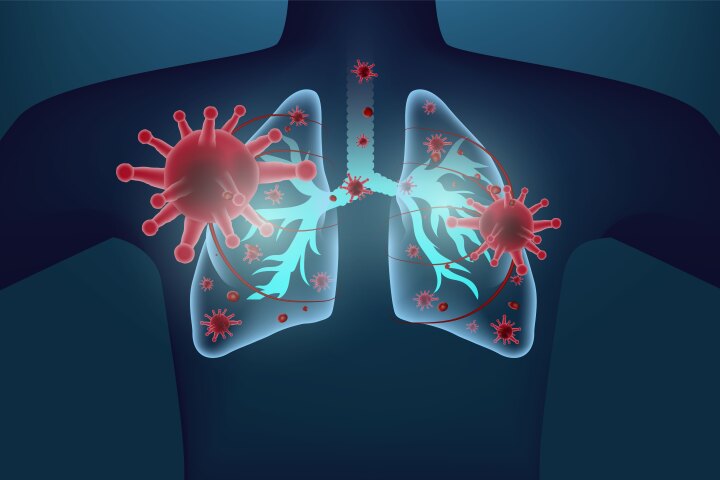 A new study has found the BA.2.86 variant of SARS-CoV-2 has a greater propensity for infecting certain lung cells than any prior Omicron variant. The research suggests BA.2.86 could potentially lead to COVID severity similar to the Delta variant.
 -
 American adults are eating 400-500 calories – roughly the same energy intake as a recommended main meal – in snacks every day, and it comes with little nutritional value yet a whole lot of sugar.
 -
 Spread by sandfly bites, the leishmania parasite causes ulcers that for many people are unexpectedly pain-free. For decades scientists have been puzzled by these painless lesions but new research is now homing in on the unusual analgesic mechanisms.
 -
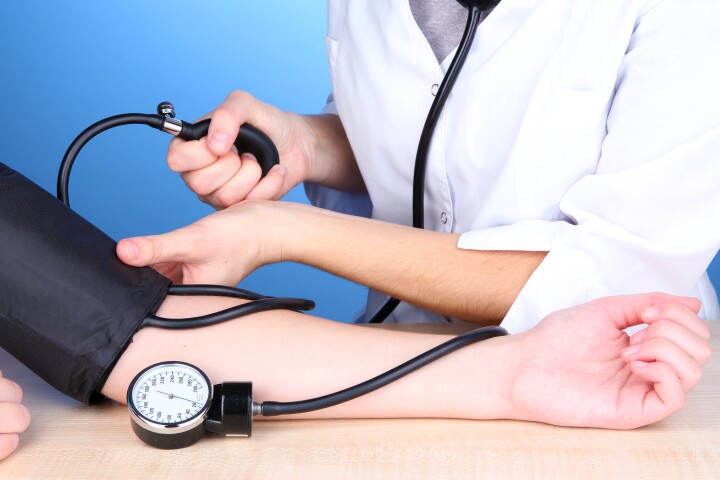 Half of the adult population has high blood pressure, but new research suggests that several million people may have elevated readings due to poor testing procedures. Experts call for a spotlight on how and where patients sit while in the cuff.
 -
 Despite studies showing pigeons are smart, they are perhaps more widely perceived as unintelligent 'rats with wings.' But now, scientists have demonstrated how these efficient learners solve problems just like artificial intelligence does.
 -
 Researchers have found that treating Special Ops veterans with psychedelics improved their mental health and, unexpectedly, their cognitive functioning, underscoring the benefits of psychedelic therapy for those with complicated trauma histories.
 -
 In order to optimize traffic flow through city streets, municipalities often install car-counting cameras or other sensors at a few set locations. A new study, however, suggests that using existing bus-mounted cameras may be a better way to go.
 -
 Using old insurance maps, researchers enabled a machine-learning system to create 3D models of neighborhoods that no longer exist. The technique could lead to VR tours of the 'hoods, as well as provide data on the various impacts of urbanization.
 -
 A new clinical trial has found that an eye drop commonly used before eye exams may be a safe and effective way of slowing the progression of nearsightedness in children, a condition that can lead to visual impairment later in life.
 -
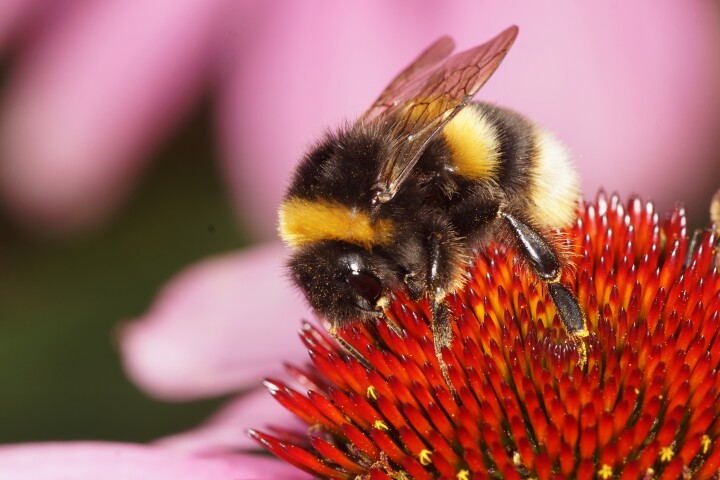 Want to play a part in the survival of bumblebees? Cater for them! A new study has revealed which plants these VIPs (very important pollinators) make a beeline for, so you can grow their favorite flora and help these fuzzy fussy eaters thrive.
 -
 Overweight and obesity have been associated with many health conditions, including diseases such as cancer. A new study has found a link between weight across different life stages and the risk of developing gastrointestinal cancer.
Load More