
Ocean
-
 Scientists have discovered that audio recordings of healthy coral reefs may help attract free-swimming coral larvae to damaged ones. The finding could be a major step toward preserving the world's coral reefs.
 -
 If you want to gather climate-change data from the deep ocean, why not hitch a ride with an organism that's going down there anyways? That's the thinking which led to the creation of "biohybrid jellyfish" which pack two speed-boosting technologies.
 -
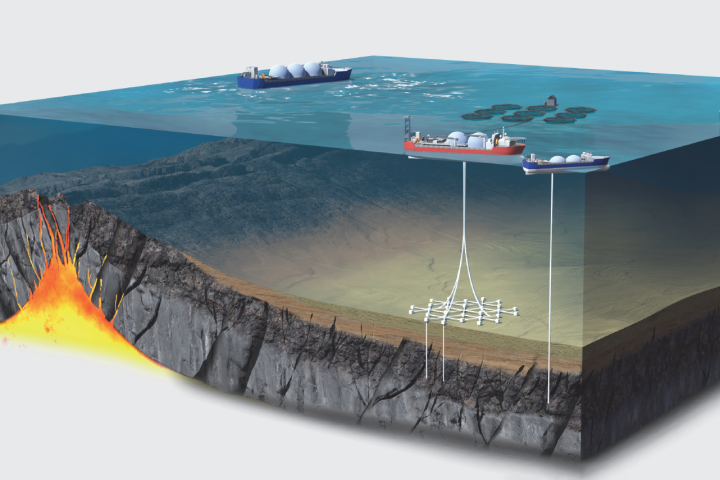 A potentially game-changing and largely unexplored energy jackpot lies beneath the ocean floor, according to a whitepaper from geoscience tech consultancy CGG. Unique conditions under the sea bed promise cheaper and more accessible geothermal power.
 -
 Researchers have just revealed that Mimas, one of Saturn's smallest moons, has an ocean of liquid water flowing under its entire surface. What is really making waves though, is how young the body of water is: just 5 to 15 million years old.
 -
 Wave energy remains one of the least-exploited clean energy options, with huge potential as part of a green energy grid. Finland's AW Energy is preparing to field a contender at scale – the Waveroller – which sits on the sea bed generating up to 1 MW.
 -
 Researchers identified 317 million gene clusters belonging to oceanic microbes, creating the world’s largest open-source catalog that offers a tool for exploring how these genetic resources could be used in medicine, energy, food and other industries.
 -
 Gigantic waves can seemingly come out of nowhere, threatening ships and oil rigs. Now, an AI system trained on centuries of data has been able to predict when these rogue waves will occur, revealing new insights into how they form.
 -
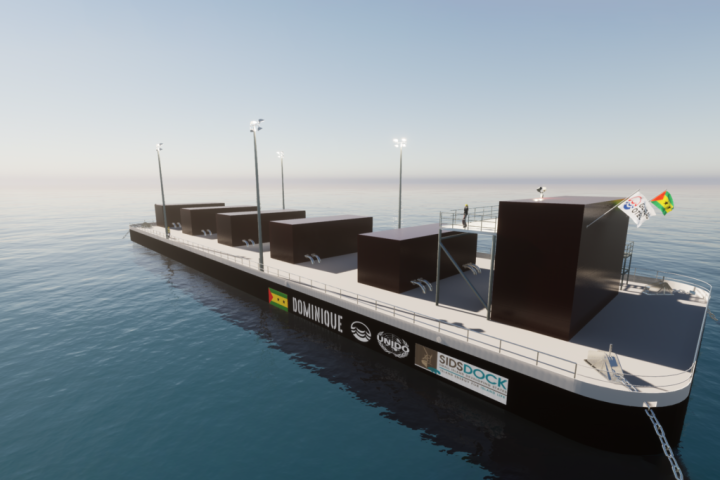 In an average day, tropical oceans absorb about 278 petawatt-hours of solar energy. Harvesting just 1/4000th of that energy would supply the entire world's daily electricity – and ocean thermal energy conversion provides a possible method.
 -
 If an enemy you were previously safe from turned up in your neighborhood, what would you do? That's a problem currently being faced by barnacles in northern Mexico, which are growing sideways to thwart invasive predatory snails.
 -
 You can tell a lot about what's going on in undersea environments simply by seeing which compounds are being released into the water by marine organisms. An experimental new device could soon make that process quicker and easier than ever before.
 -
 Space agencies often put space-suited astronauts in swimming pools, so they can learn to perform tasks in an outer-space-like environment. The UHAB is intended to take things further, by simulating the habitats in which astronauts may someday live.
 -
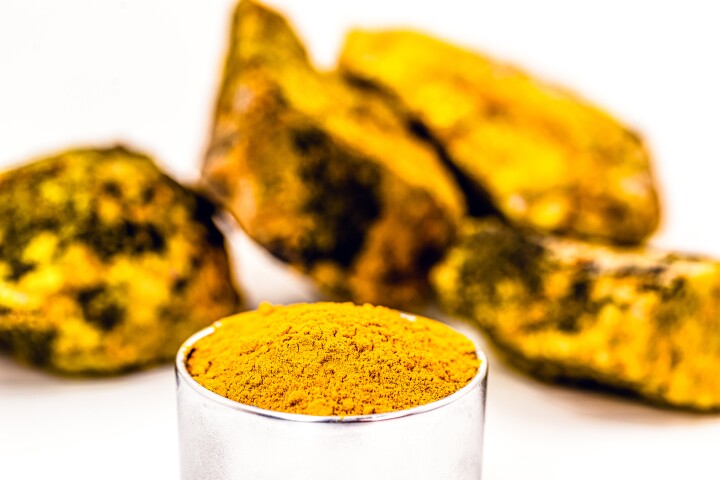 Since the 1960s, scientists have been turning to an unlikely harvesting ground for uranium: the world's oceans. Now, researchers have moved the prospect of sea-based uranium harvesting another step forward by using a cheap and easy-to-make material.
Load More