
Neurological
-
 If someone you know has gone through chemotherapy, you might be familiar with the side effect 'chemo brain.' Scientists have now demonstrated a simple way to protect brain cells from damage using flashing lights and sounds at a certain frequency.
 -
 Researchers have created a single-dose genetic therapy that, in mice, cleared the protein blockages that cause motor neurone disease and frontotemporal dementia, two incurable neurodegenerative diseases that eventually lead to death.
 -
 A team has reported the first-ever evidence of human-to-human transmission of Alzheimer’s disease, demonstrating how a human growth hormone treatment transplanted toxic proteins into children and caused the development of early-onset Alzheimer’s.
 -
 Researchers have created an ultra-thin sensor that can wirelessly record deep brain activity down to a resolution of one or two neurons. The device has potential applications in conditions such as epilepsy, Parkinson’s disease, and chronic pain.
 -
 Researchers have created a thin transparent neural implant that can monitor activity on the brain's surface but also account for functions at a deeper level. The hope is that it will lead to an accurate but less invasive brain-computer interface.
 -
 New research has proved for the first time that RSV infection, common in young children, can penetrate nerve cells and may lead to nerve damage. The findings underscore the possible long-term effects of RSV and the importance of preventive measures.
 -
 In the largest study of its kind, researchers have found that sharing a childhood home with a kitty can more than double the risk of later developing schizophrenia-like disorders. However, in what may surprise some, it's not entirely the cat's fault.
 -
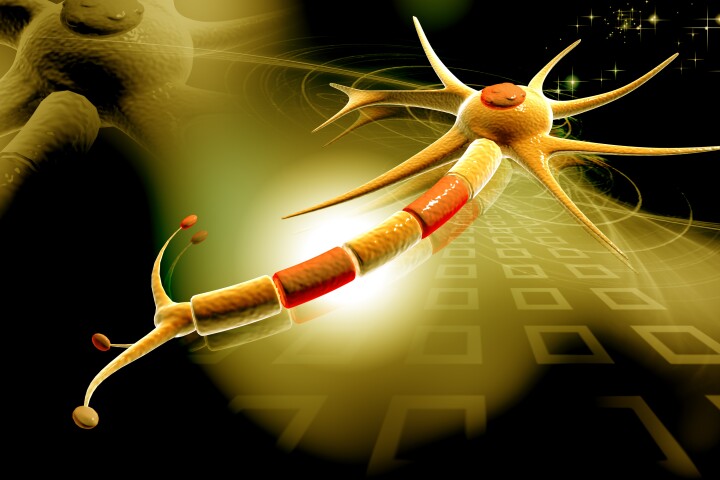 Restoring damaged nerves caused by multiple sclerosis could be within reach, thanks to a breakthrough in small molecule drug research. Scientists say their new compound has a "stunning effect on rescuing myelin," which would be pivotal in reversing MS.
 -
 Scientists have solved the mystery of which protein triggers the onset of many cases of frontotemporal dementia, paving the way for more effective early diagnosis of the degenerative disease and the development of potentially life-changing treatment.
 -
 Research has found that non-invasively applying a mild electrical current to the brain twice a day for six weeks improved cognitive functioning and plasticity, the ability of the brain to ‘rewire’ itself, in patients with Alzheimer’s disease.
 -
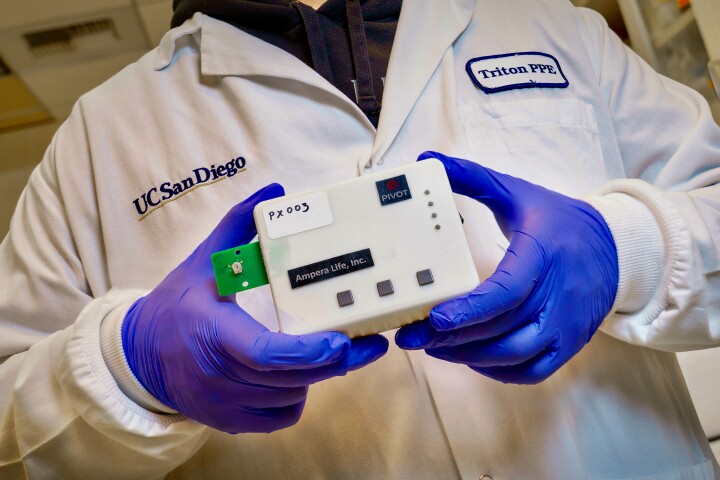 Because of the logistics and invasive procedures involved, many people put off getting tested for Alzheimer’s and Parkinson’s diseases. Thanks to a new device, however, such testing could soon be performed non-invasively at just about any location.
 -
 What's more tiring than a day in the real world full of meetings? It turns out taking those same meetings at home in front of the computer is more exhausting, with a new study offering the first evidence the phenomenon of ‘Zoom fatigue’ is real.
Load More