
Nanotechnology
-
 This year's Nobel Prize in Chemistry has been awarded to three different scientists who advanced the development of quantum dots – nanoscale particles that exhibit unusual characteristics thanks to their diminutive size.
 -
 Physicists have combined nanotechnology, artificial intelligence and molecular biology to design a novel method that can detect Alzheimer’s disease protein markers in blood that are the tell-tale signs of early neurodegeneration.
 -
 Researchers have found that using nanoflakes of black phosphorus on wounds infected with drug-resistant superbugs not only kills the bugs, but accelerates wound healing. They say the innovative antimicrobial can be incorporated into common materials.
 -
 Nano-engineering happens all day long in our bodies, and California startup Aether is designing and testing millions of new enzymes to do a range of other useful tasks – like directly extracting battery-grade lithium from sources nobody else can use.
 -
 Researchers have created a nanoscale electronic ‘tattoo’ that attaches to an individual cell without damaging it. The breakthrough development could be used to monitor cell health and puts us one step closer to getting the jump on disease diagnosis.
 -
 Researchers have used 3D nanotechnology to successfully grow human retinal cells, opening the door to a new way of treating age-related macular degeneration, a leading cause of blindness in the developed world.
 -
 Researchers have used nanowires to ‘catch-and-release’ DNA in urine, enabling them to detect mutations that signify the presence of a brain tumor. Their method may one day mean that invasive tissue biopsies are no longer required.
 -
 As anyone who's ever seen a bolt of lightning knows, the air around us can be filled with an astonishing amount of energy. A new study shows a way to harvest this power using a perforated nanofilm that can be made from a vast variety of materials.
 -
 Inspired by the wings of dragonflies and cicadas, researchers have developed a new coating for orthopedic implants. It not only shreds harmful bacteria, but also monitors stress on the system, meaning it could warn of impending implant failure.
 -
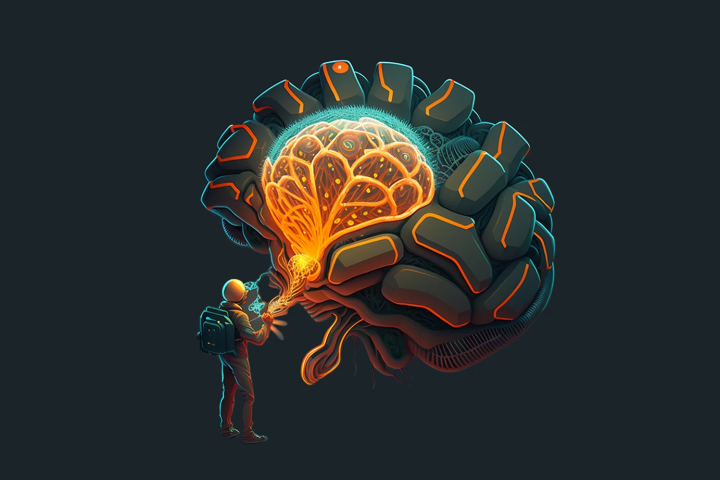 Researchers tricked glioblastoma cancer cells in mice into taking up iron-filled carbon nanotubes. They then shredded those cells by spinning the tubes using magnetic force. The technique has the researchers hopeful for a similar result in humans.
 -
 Traditional concrete is so last century. A team of engineers has created a concrete that is strong but flexible, can generate electricity and have its qualities fine-tuned for tailor-made builds. And one day it might even help guide driverless cars.
 -
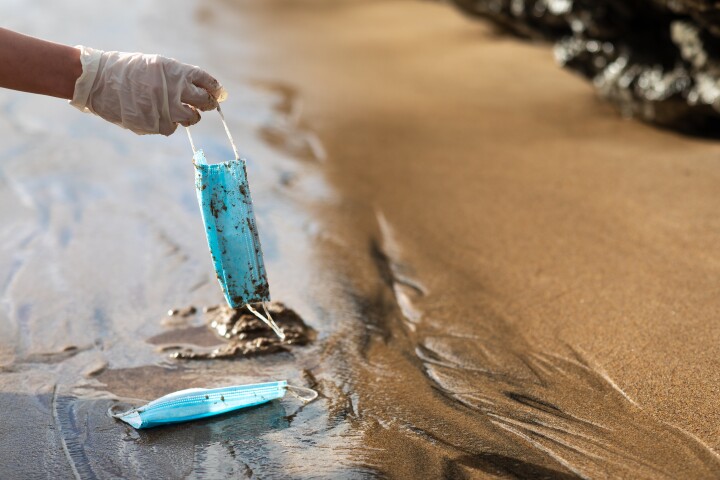 The amount of single-use plastics the world disposed of during the pandemic continues to be a huge environmental headache. A clever new upcycling method, though, takes the trash and turns it into one increasingly lucrative piece of tech, carbon dots.
Load More