
Moon
-
 Future Moon bases may be a bit tidier thanks to an electric shield that protects equipment from destructive lunar dust. NASA's Electrodynamic Dust Shield (EDS) technology promises to tame the destructive dust that clings to equipment.
 -
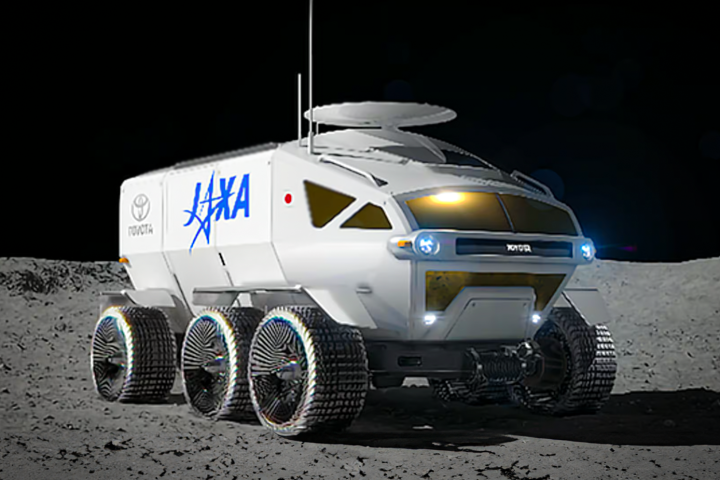 When NASA returns to the Moon, its astronauts will enjoy tooling around in a pressurized camper van courtesy of JAXA and Toyota. The two-person vehicle is part of a US/Japan agreement that includes putting the first Japanese astronauts on the Moon.
 -
 Thanks to Albert Einstein, the US Government wants to establish an official time zone for the Moon. It has less to do with jet lag and more to do with how gravity affects time and can throw a lot of very precise technologies seriously off track.
 -
 NASA has selected three companies to develop extreme off-road vehicles that astronauts will drive on the Moon during Artemis missions starting in 2030, awarding US$4.6 billion in contracts to Intuitive Machines, Lunar Outpost and Venturi Astrolab.
 -
 In preparation for a permanent human colony on the Moon, DARPA has awarded a contract to Northrop Grumman to develop a highly ambitious lunar railway concept. It's part of the agency's 10-year Lunar Architecture (LunA-10) Capability Study.
 -
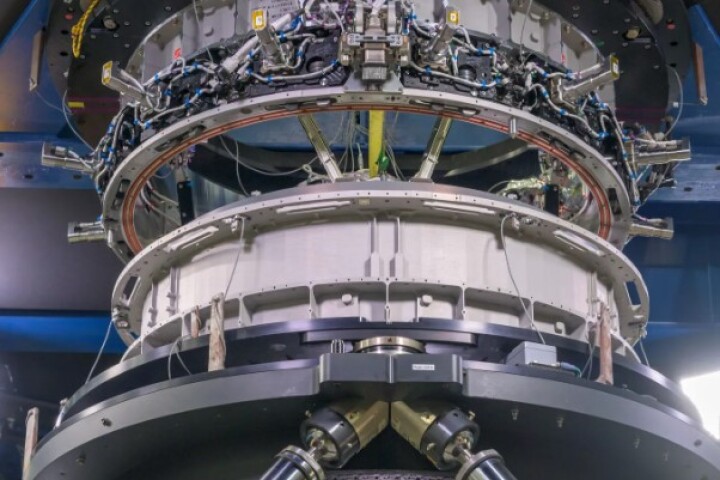 Tackling one of the unsung but absolutely necessary tasks of Moon exploration, NASA and SpaceX are doing intensive testing of the docking mechanism that will be used to transfer astronauts from Artemis to the Starship Human Landing System.
 -
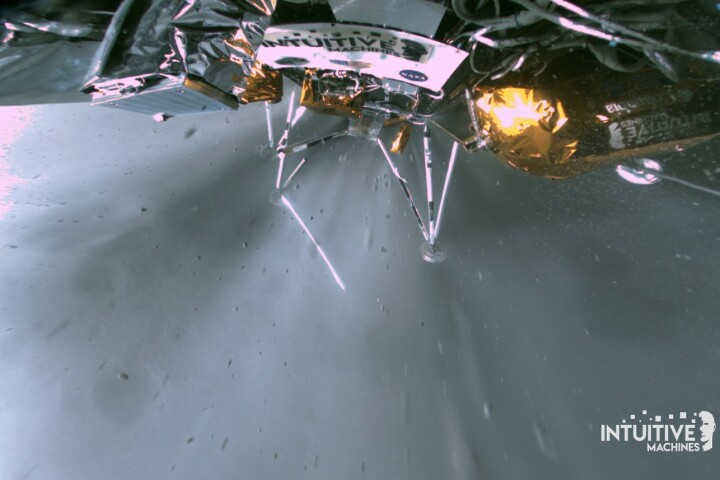 As the Odysseus Moon lander faces its final hours, there's one final twist in the saga: The spacecraft broke one of its legs on landing, thanks to a cascade of mistakes that began back on Earth, when a safety switch wasn't flicked on prior to launch.
 -
 Beating incredible odds, Japan's SLIM lunar lander came back to life after surviving the intense dark and cold of the Moon's night. On February 25, JAXA confirmed that it had temporarily reestablished communications with the robotic spacecraft.
 -
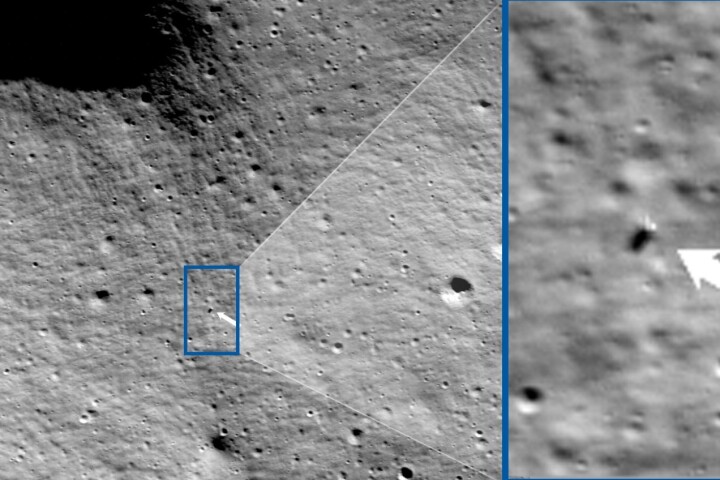 The IM-1 Moon landing mission will come to a premature end on Tuesday morning. Intuitive Machines has announced that Odysseus will no longer be able to charge its batteries by February 27, as sunlight stops falling on its solar panels. RIP Odie.
 -
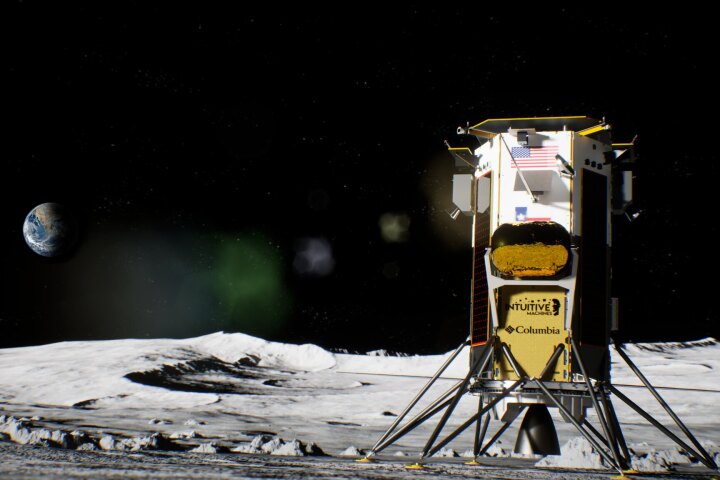 Intuitive Machines says that its Odysseus Moon lander tripped and fell over on touchdown and is now lying on its side. One of the legs of the robotic spacecraft dug into the lunar surface during landing maneuvers, making it fall over on a rock.
 -
 The United States has returned to the Moon after over 50 years. At 6:24 pm EST, the robotic Odysseus touched down autonomously on the lunar surface, followed by a tense 13-minute gap as radio communications were established with mission control.
 -
 The Odysseus lunar lander, or 'Odie', is slated to touch down near the Moon's south pole on Thursday, aiming to be the first US-made spacecraft on the lunar surface in five decades. Here's how you can watch every tense second of the historic event.
Load More