
Monitoring
-
 In 2029, a large asteroid will whizz past Earth so close it’ll be visible to the naked eye. But could collisions with other asteroids bounce it off-course into us? To find out, astronomers have now crunched the paths of 1.3 million known asteroids.
 -
 Swiss researchers are working on an environmental monitoring robot named Avocado that's been inspired by abseiling spiders. The fruit-shaped bot uses a winch and rotors to lower itself through the canopy and gather data on life in the treetops.
 -
 Budget smartwatch maker Amazfit has unveiled the Helio Ring, a smart wearable that's not designed for casual fitness fanatics but is aimed at monitoring key health metrics that athletes need to maximize performance.
 -
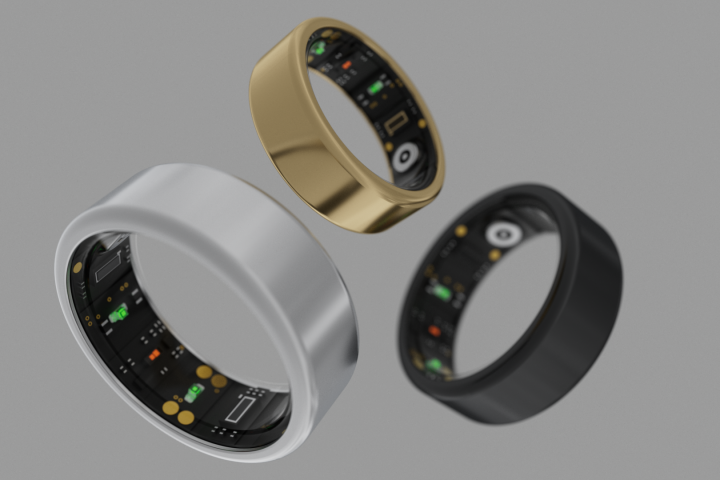 Folks looking to monitor health metrics while on the move will likely pop a smartwatch on their wrist. Those wanting a simpler option might go for a smart ring instead, and wearable outfit Omate has just launched the Ice Ring in Europe.
 -
 Researchers at Northwestern University have developed a non-invasive wearable electronic ear that's designed to wirelessly monitor what's going on inside a patient's body in real time, and found it to perform with "clinical-grade accuracy."
 -
 Smartwatches that can monitor a wearer's heart rate use light pulses to detect changes in blood volume. But research from Google proposes using ultrasound from an earphone's speaker driver to look for tiny deviations in the surface of the ear canal.
 -
 Polar's latest premium smart sportswatch has gone up for pre-order. The Vantage V3 features a sharp, bright AMOLED display, comes with offline maps, and packs a new sensor suite called Elixir that's more capable than any Polar wearable before it.
 -
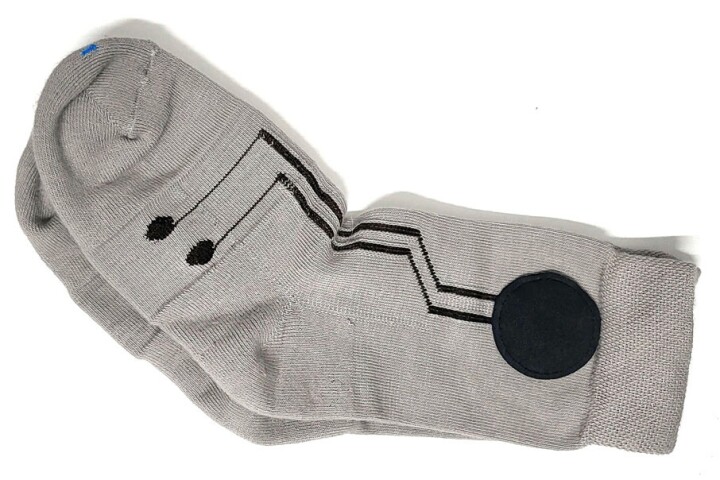 People suffering from dementia not only get confused, they can also become highly anxious and even aggressive. In order to catch such behaviors before they escalate out of control, a British scientist has developed a pair of sensor-packin' socks.
 -
 Nothing has announced the first products from its budget sub-brand CMF, which includes the Watch Pro – a somewhat Apple-like smartwatch rocking a large AMOLED display, built-in GPS, more than a hundred sport modes, and a 13-day battery.
 -
 Scientists from Northwestern University have successfully created a device, tested on mice, that can detect warning signs of kidney rejection up to three weeks before current monitoring methods.
 -
 Though most smartwatches will offer analog-looking faces, companies like Withings have been offering a mix of both worlds for a number of years. Now the company has launched its latest flagship hybrid health tracker in the shape of the ScanWatch 2.
 -
 Amazfit has announced its latest wallet-friendly smartwatch, with the Bip 5 reportedly boasting the company's largest screen on a globally available product. The wearable also runs the health-focused Zepp OS platform – a first for the series.
Load More