
MIT
-
 The tracking of squid and other soft-bodied sea creatures may soon be a lot more doable, thanks to a new bioadhesive interface. It's claimed to be much gentler than current attachment methods, while still remaining up to the task.
 -
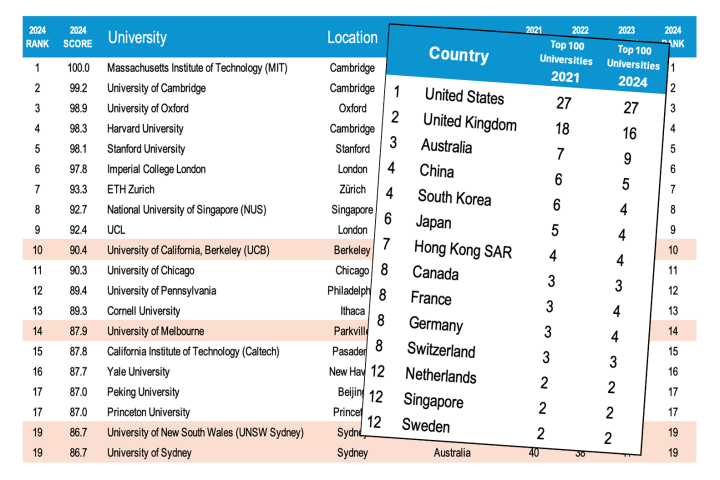 The 2024 QS World University Rankings were released this week, and with three new key metrics added to the scoring process, several universities have rocketed to the international forefront, while traditional icons are being pushed below the fold.
 -
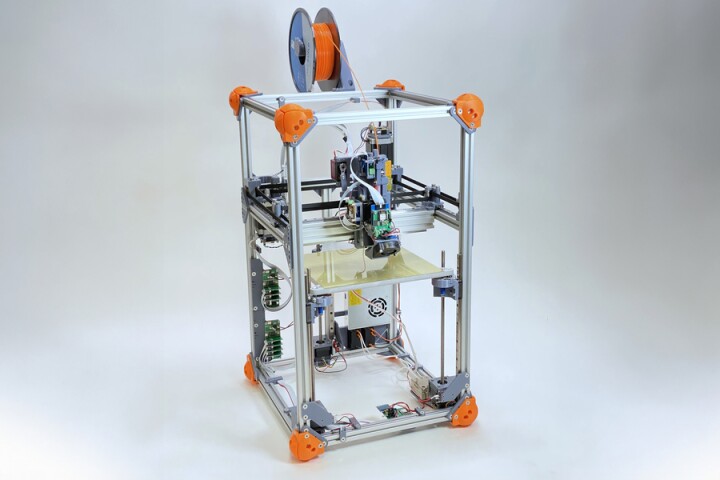 A recently developed system could revolutionize the world of 3D printing, by streamlining the adoption of new print media. Such materials could include ones made from all-renewable ingredients, or that are more recyclable than current options.
 -
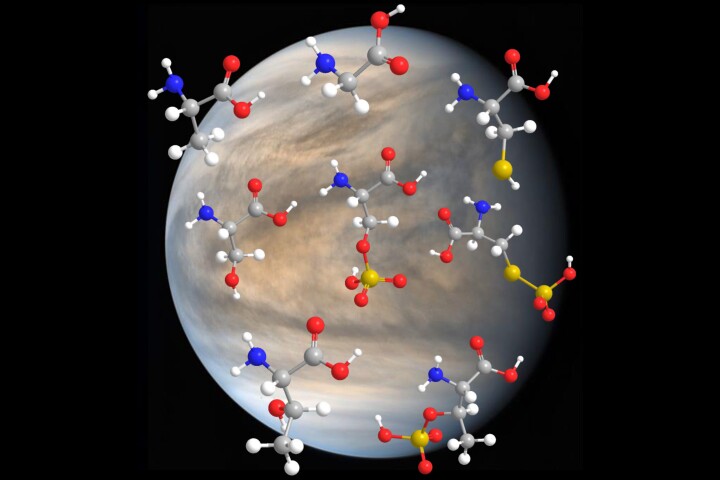 Venus may be a hellscape, but there’s a chance some forms of life could evolve there. A new MIT study has now found that the building blocks of life are surprisingly stable in highly concentrated sulfuric acid – which Venus’ clouds are made of.
 -
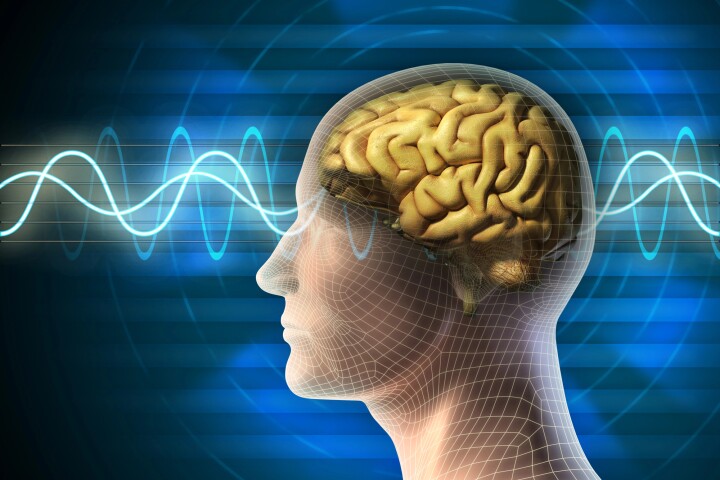 If someone you know has gone through chemotherapy, you might be familiar with the side effect 'chemo brain.' Scientists have now demonstrated a simple way to protect brain cells from damage using flashing lights and sounds at a certain frequency.
 -
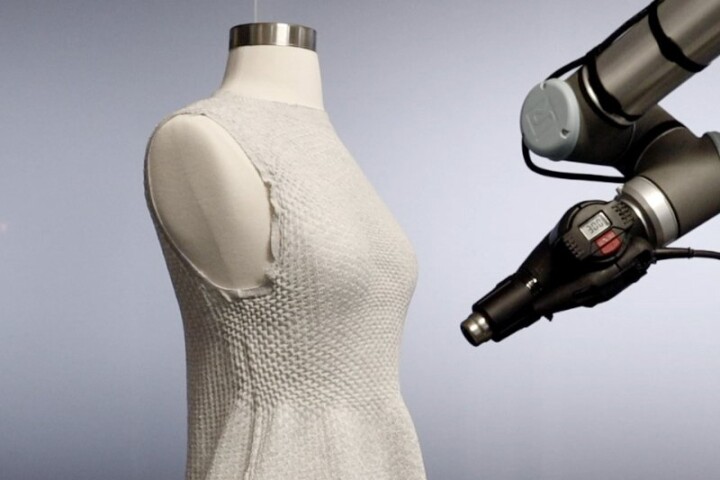 Custom-fit clothing is usually quite expensive, but perhaps it doesn't have to be. MIT's 4D Knit Dress is an example of a new type of clothing that a robot could selectively shrink to fit the wearer, perhaps right in the store.
 -
 Some folks prefer to get a grip on things to better understand concepts. Researchers have developed smart gloves for tactile learners that use haptic feedback and AI to teach users new skills, fast-track precision training and control robots remotely.
 -
 ID verification tags aren’t much use if someone can just peel them off and stick them to a fake product. MIT scientists have now designed ID tags that use the glue itself as a kind of fingerprint, and will scramble the barcode if someone peels it off.
 -
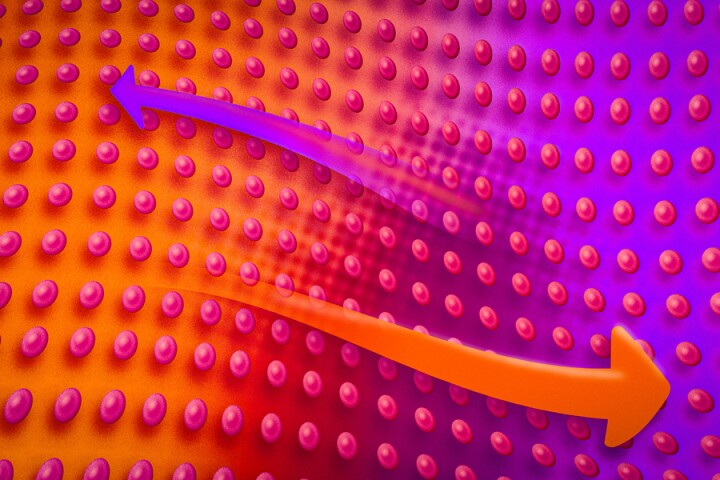 Scientists at MIT have directly captured signs of “second sound” in a superfluid for the first time. This bizarre phenomenon occurs when heat moves like sound waves through an unusual state of matter.
 -
 Using a virus-mimicking DNA scaffold instead of the usual protein one to deliver a vaccine to mice not only generated a robust immune response but avoided the off-target effects sometimes seen when proteins are used.
 -
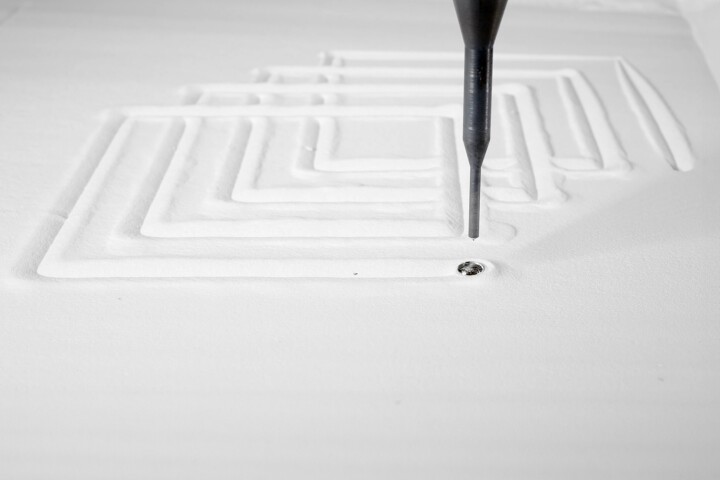 Researchers have come up with a 3D printing method using liquid metal that's claimed to produce structures at least 10 times faster than existing metal additive manufacturing processes, though it does so at the expense of fine detail.
 -
 MIT's Electric Vehicle Team has taken to the racetrack with a Ducati 900SS that's been gutted and converted into a hydrogen fuel cell motorcycle, hoping to start collecting a few fossil-fuelled scalps. It's also open-sourcing the design for others.
Load More