
Microneedles
-
 Nobody likes having to get needles on a frequent basis, or even having to take multiple medications orally throughout the day. A wearable patch could help, by painlessly administering different drugs through the skin when triggered by a smartphone.
 -
 While it's important for your dog or cat to have a form of ID in case they get lost, tags can fall off, and microchips can migrate out of place. Japanese scientists are developing an alternative, in the form of quick and painless tattoos.
 -
 A novel microneedle patch may bring new hope to people who struggle to keep their acne under control. Instead of utilizing antibiotics, the device releases nanoparticles that kill acne-causing bacteria when triggered by exposure to ultrasound.
 -
 Skin-applied microneedle patches are already used to painlessly deliver medication and detect chemicals in a patient's bloodstream. A new one, however, reportedly stops wounds from bleeding much more effectively than traditional bandages.
 -
 There are many drugs which are very helpful in the right dosage, but quite harmful in larger amounts. A new microneedle patch is designed to help in that regard, by showing exactly how much medication is currently present in a patient's bloodstream.
 -
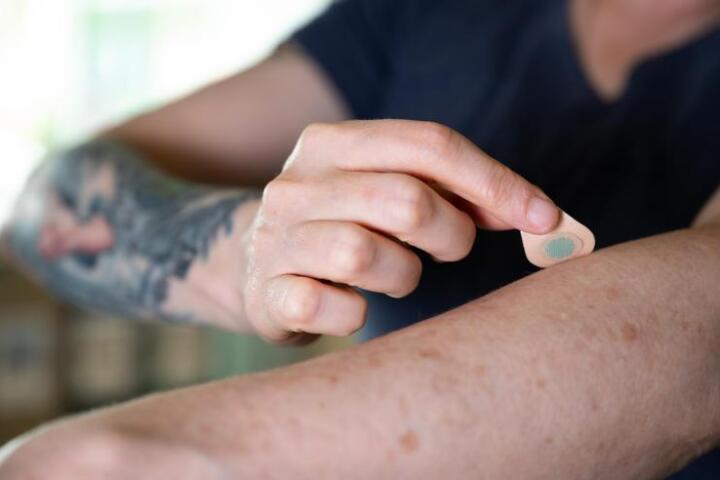 Scientists have developed a microneedle patch that can be self-administered and painlessly deposit a tattoo onto skin in minutes. The technology is proposed for simple medical or animal uses but cosmetic uses are possible in the future.
 -
 While we've already seen skin-worn patches that can detect individual substances in the bloodstream, a new one goes considerably further. It simultaneously measures glucose, alcohol and lactate, and could have multiple applications.
 -
 Peanut allergies can be very serious, potentially resulting in life-threatening anaphylaxis. There could be new hope for eliminating such allergies, however, thanks to the use of peanut-packin' microneedles.
 -
 Although electroporation technology is very effective at delivering DNA-based vaccines, the required equipment is bulky, complex and expensive. Now, however, scientists have shown that a converted barbecue lighter is capable of doing the job.
 -
 Chronic wounds such as skin ulcers can be difficult to treat, partially because of antibiotic-resistant "biofilms" that form over the affected tissue. A new type of microneedle patch, however, has been shown to deliver medication through such films.
 -
 Researchers have developed a new vaccine candidate for dengue virus, a notoriously tricky pathogen to deal with. The new candidate has a number of advantages over existing treatments, with tests on mice using microneedle patches proving promising.
 -
 Microneedle patches already show a great deal of promise as a painless alternative to hypodermic needles. A new one, however, could find use as a more effective means of treating serious bacterial infections of the skin.
Load More