
Microfluidic
-
 A new technique, which involves melting bacterial DNA found in blood samples, could deliver diagnoses of potentially fatal infections faster than ever before. Results may be obtained in a few hours, instead of days.
 -
 There’s no debate that microplastics present an ever-increasing ecological and health threat, but given their size, they're incredibly hard to remove from water. Now, some scientists believe sound waves and microfluidic technology may hold the key.
 -
 If a couple is having difficulty conceiving a child due to low-quality sperm, in-vitro fertilization is always an option … although it frequently isn't successful. A simple new device could help, by selecting only the best sperm to do the job.
 -
 Researchers at the University of New South Wales have demonstrated how a microfluidic device that mimics the embryonic heart can produce blood stem cell precursors, which could let blood stem cells be manufactured on demand.
 -
 Nobody wants to suffer physical pain if they don't have to, yet they also don't want to risk developing an addiction to pain-killing opioids. That's where a new drug-free implant comes in, as it reduces pain by cooling nerves.
 -
 Presently, in order to check electrolyte levels in newborn babies, blood samples are drawn from the infants twice a day. Soon, however, a "smart" pacifier could be used to non-invasively collect that same data.
 -
 When conducting cardiac research, it would be ideal if experiments could be performed on actual living human hearts. Scientists have developed what may be the next-best thing, in the form of a tiny mechanical heart powered by real cardiac cells.
 -
 When performing artificial insemination, the better the motility of the sperm, the greater the chances of a successful pregnancy. That's where a new microfluidic chip comes in, as it selects only the most vigorous, "highly-motivated" sperm from the herd.
 -
 A new breakthrough could help unravel the immune system's secrets. Researchers have created an accurate model of the human immune system in a microfluidic chip, providing a better platform to study how immune cells respond to vaccines and pathogens.
 -
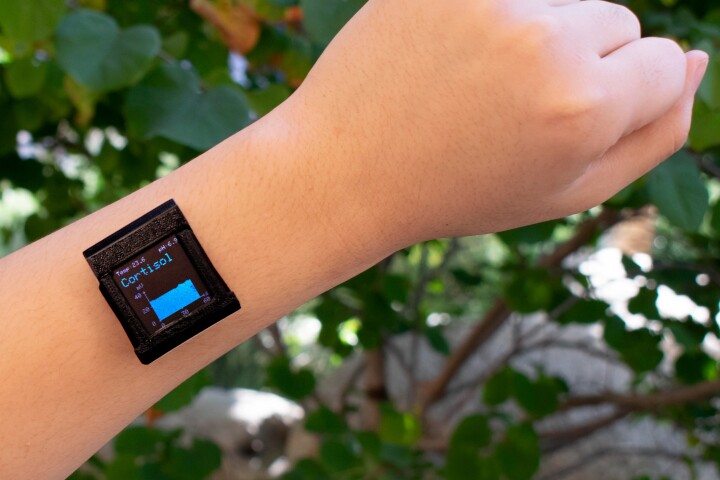 It's important for people with conditions such as depression and anxiety to know when they're becoming stressed, so they can initiate coping strategies. An experimental smartwatch could someday warn them, by detecting a stress hormone in their sweat.
 -
 It's important to maintain proper chlorine levels in a pool, as too much can cause skin and eye irritation, and too little won't kill bacteria. A new device could help, by cheaply and automatically checking a pool's pH and chlorine content.
 -
 In people with liver disease or other metabolic disorders, blood ammonia levels can quickly climb to dangerous levels. And unfortunately, checking those levels is not a fast and easy process. A newly developed device, however, could change that.
Load More