
Insulin
-
 A genetically modified cow has produced milk containing human insulin, according to a new study. The proof-of-concept achievement could be scaled up to produce enough insulin for all diabetics requiring the life-maintaining drug.
 -
 An oral insulin that has proven effective at reducing blood glucose and avoiding hypoglycemia in mice, rats, and baboons is set for human clinical trials as soon as 2025. The researchers are hopeful the drug be available to all in a few years.
 -
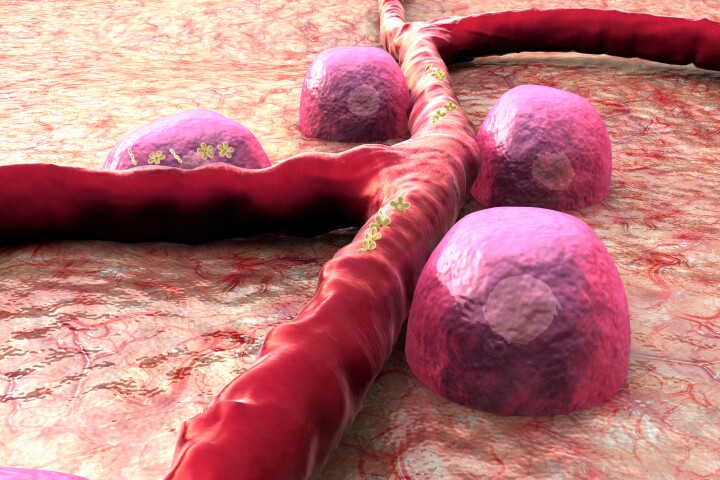 Researchers have used FDA-approved cancer drugs to regenerate pancreatic cells damaged by diabetes into cells that secrete insulin in response to glucose. The discovery could mean that one day, diabetics can avoid multiple daily insulin injections.
 -
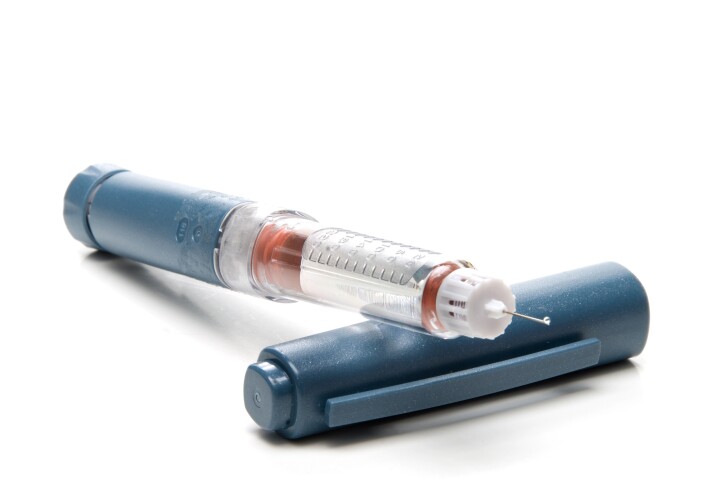 Researchers have created a slow-release ‘smart’ insulin that responds to blood glucose levels to provide week-long control with virtually no incidents of low blood sugar. The novel insulin opens the door to once-a-week insulin injections for diabetics.
 -
 Diabetes was the focus of much research in 2023, resulting in a few ‘world-firsts’. From trialing a diabetes-slowing tablet to using plant extracts and creepy crawlies to lower blood sugars, here are the top diabetes stories of the past year.
 -
 Scientists have discovered a new mechanism for how type 2 diabetes takes hold, and demonstrated in mice that blocking a particular enzyme could open a new avenue of treatment for the disease.
 -
 A world-first clinical trial has found that a drug commonly prescribed for rheumatoid arthritis preserved the pancreatic cells’ ability to produce insulin and slowed the progression of type 1 diabetes in those recently diagnosed with the condition.
 -
 Eating less meat is known to be good for heart health, but studies have been hampered by confounding factors such as genetics and background. Now, 22 sets of twins on 'healthy' meat and plant-based diets provide us with the best comparative data yet.
 -
 A new study is pointing to a possible mechanism linking obesity with neurodegenerative disease. The work suggests diet-induced insulin resistance can impair the brain’s ability to clear out neuronal debris and contribute to diseases like Alzheimer’s.
 -
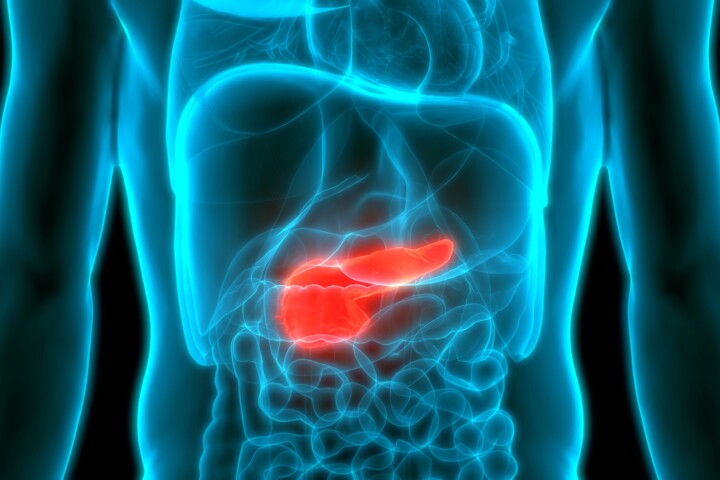 A study has linked elevated blood insulin levels and pancreatic cancer. The researchers say their findings may lead to new cancer prevention strategies and targeting treatments to slow or prevent the progression of the cancer.
 -
 Diabetes patients who are sick of daily insulin shots may soon only have to inject themselves once a week. A year-long phase 3 clinical trial has shown that a weekly form of the hormone is just as effective in managing the disease as the daily form.
 -
 Swedish scientists have demonstrated a new potential way to manage diabetes, one of the most pressing health problems of our time. It turns out the eye might be a useful place to implant insulin-producing cells to control blood sugar levels.
Load More