
Infrared
-
 No matter how important something is, too much of anything is bad for you. Scientists have now put that principle to work to kill cancer, with a new drug that causes calcium to build up and choke the tumor to death.
 -
 “Astronomers discover a completely unknown object floating around in space” is a common news theme, but it’s fun every time. The latest is a brand new type of star – ancient red giants the team has nicknamed “Old Smokers.”
 -
 It’s easy to forget that most animals don’t see the world the way humans do. In fact, many perceive colors that are invisible to us. But now, for the first time, scientists have found a way to capture footage as seen by animals, and it's mesmerizing.
 -
 Astronomers have discovered the most distant – and therefore earliest – known black hole. Hiding in a galaxy called GN-z11, this black hole is bigger than should be possible given the age of the universe.
 -
 The James Webb Space Telescope may have been touted a successor to Hubble, but the old-timer still has some life left in it. These two iconic instruments have now teamed up to take a deep-field image of the colorful “Christmas Tree galaxy cluster.”
 -
 The best places to search for life beyond Earth aren’t planets like Mars – they’re icy moons like Europa. The case for life on this watery world just got stronger, as the James Webb Space Telescope has detected a fresh carbon source there.
 -
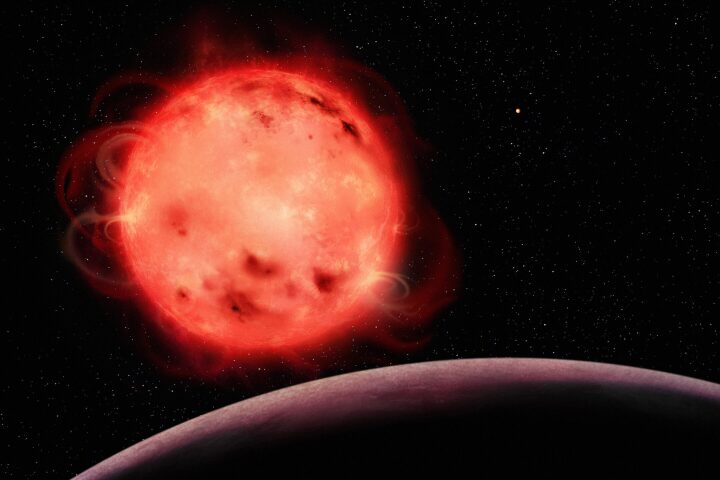 The James Webb Space Telescope has achieved one of the first major science goals announced for it way back in 2017. The infrared instrument has now probed the atmosphere around one of the TRAPPIST-1 exoplanets.
 -
 Windows are pretty basic necessities for letting in light and heat, but you don’t always want both at once. Now engineers at North Carolina State University have developed a new material that allows windows to easily switch between three modes.
 -
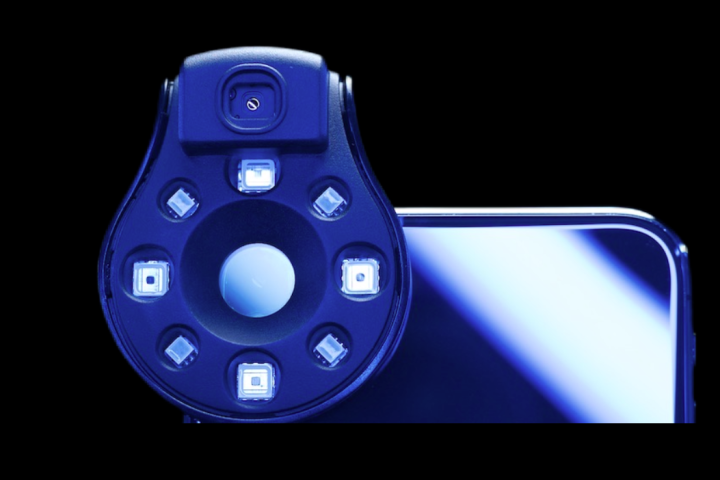 When Captain Kirk stepped out with a tricorder in hand in Star Trek in 1966, the data sensing, scanning and analyzing gadget seemed a rather useful but far-in-the-future piece of technology. With the Swift Ray 1, we're a step closer to its reality.
 -
 QR codes are everywhere nowadays, but they don’t have to be. MIT scientists have developed an invisible tagging system called BrightMarker, which embeds fluorescent tags into objects that can be viewed and tracked through an infrared camera.
 -
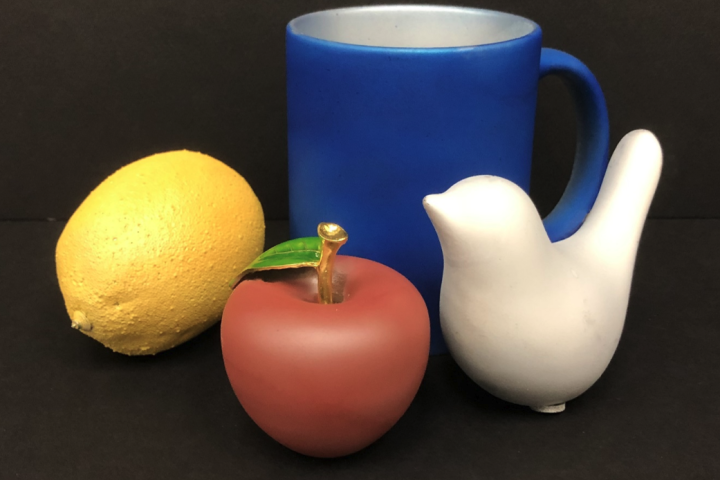 Heating and cooling account for huge portions of our energy consumption. Now scientists at Stanford have created a new type of paint that passively blocks heat from entering or escaping, and can be made in a range of colors.
 -
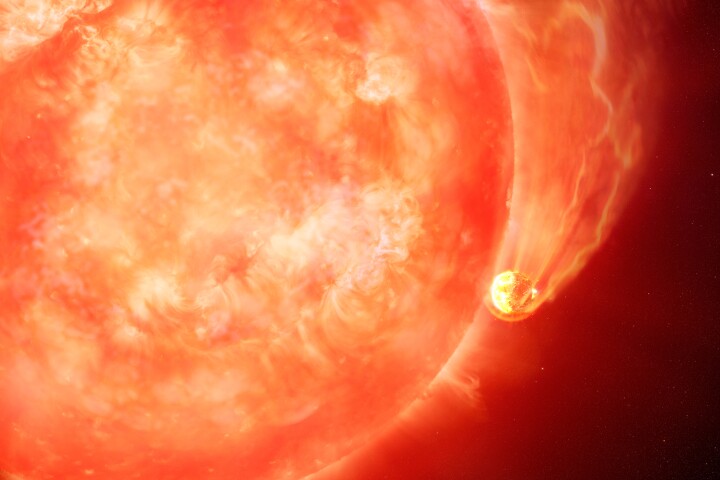 Astronomers have witnessed an apocalypse from across the galaxy, as a planet crashed into its star. It’s an event long assumed to happen in many star systems – including our own someday – but this is the first time it’s ever been seen directly.
Load More