
Identification
-
 Even if a criminal wears gloves, their cast-off DNA may still be present in a room's air. A study suggests that if such material gets sucked up by an air conditioner, it could let investigators know if a suspect has or hasn't been in a certain room.
 -
 ID verification tags aren’t much use if someone can just peel them off and stick them to a fake product. MIT scientists have now designed ID tags that use the glue itself as a kind of fingerprint, and will scramble the barcode if someone peels it off.
 -
 In regions where dogs often run loose, don't wear tags and aren't chipped, it can be hard for authorities to keep track of which ones have been vaccinated against rabies. A new app could help, by identifying dogs via facial recognition technology.
 -
 While it's important for your dog or cat to have a form of ID in case they get lost, tags can fall off, and microchips can migrate out of place. Japanese scientists are developing an alternative, in the form of quick and painless tattoos.
 -
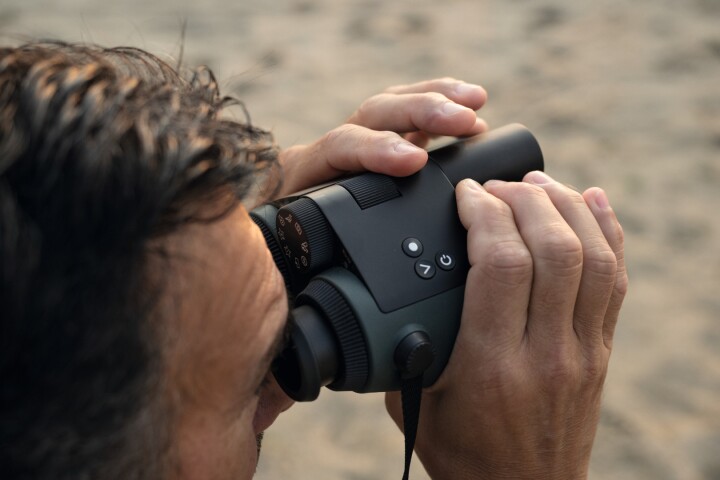 Sports optics manufacturer Swarovski Optik has cooked Merlin Bird ID and Mammal ID smarts into a pair of high-end binoculars called the AX Visio to name birds and other critters at the touch of a button.
 -
 Although most of our clothes fold and crease with our bodies as we move, our shoes maintain the same shape and appearance pretty much all the time. With that fact in mind, scientists are now developing a method of catching criminals via shoe ID.
 -
 Even though logging is prohibited in many of the world's forests, that doesn't stop some companies from logging in those areas anyways, then lying about the origins of the timber. Such groups may soon be foiled by the wood's chemical fingerprint.
 -
 Despite protective measures, endangered fish species are regularly caught then sold in open markets. And while visually searching them out can be difficult, a new technology could more easily allow authorities to know which species are being sold.
 -
 If someone steals your smartphone, the harder it is for them to unlock it, the better. New research shows how gait analysis could provide an added layer of security, by authenticating a user's identity based on the way they walk.
 -
 Ordinarily, if you want to check if two plants of the same species come from genetically different populations, you have to analyze their DNA. A new study, however, has found that an analysis of their leaves is a much quicker and easier alternative.
 -
 In a busy workshop, it's possible to lose track of what substance a given sheet of material is composed of – making it risky to cut with a laser. SensiCut is designed to help, by identifying 30 different materials based on their surface qualities.
 -
 Just like our fingerprints, the shape and pattern of each dog's nose is unique to that animal. Bearing this in mind, pet food company Iams has launched a "nose-centric" app for identifying lost dogs – appropriately enough, it's called NOSEiD.
Load More