
Hypersonic
-
 Fast-tracking the hypersonic era, Hermeus has rolled out the next prototype of its program, to create a family of aircraft that can fly beyond Mach 5. The Quarterhorse Mk 1 is set to fly later this year, testing its high-speed takeoffs and landings.
 -
 The US Air Force has completed testing of its hypersonic AGM-183A Air-launched Rapid Response Weapon. The test was carried out on March 17, 2024 when the missile was dropped from a B-52H Stratofortress at the Reagan Test Site in the Marshall Islands.
 -
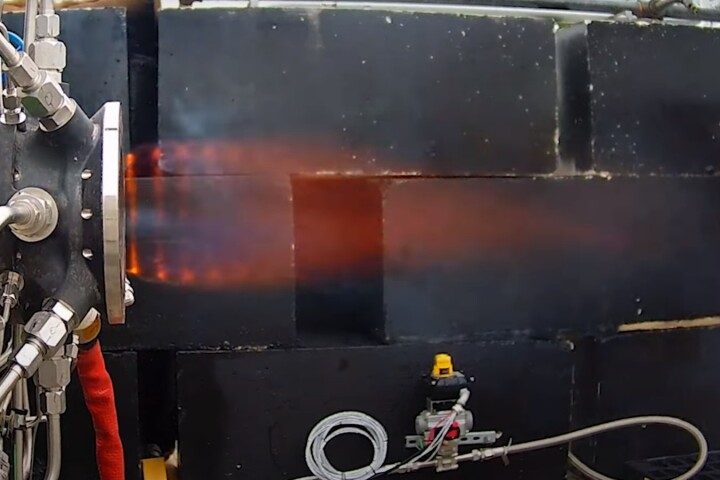 A revolutionary alternative to conventional rockets that uses controlled explosions has completed its first long-duration engine test as part of Venus Aerospace's partnership with DARPA to develop a Rotating Detonation Rocket Engine.
 -
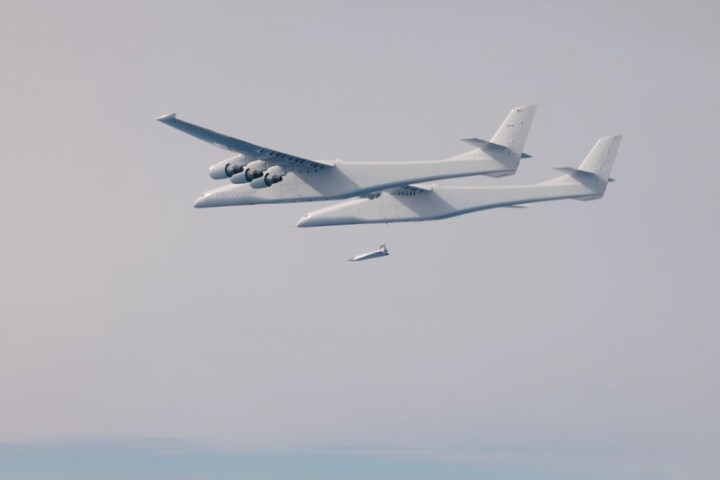 Stratolaunch Systems, the company behind the world's largest aircraft, is making headlines again. The firm's Talon-A1 hypersonic test aircraft has successfully completed its first powered flight, which took place last weekend in Mojave, California.
 -
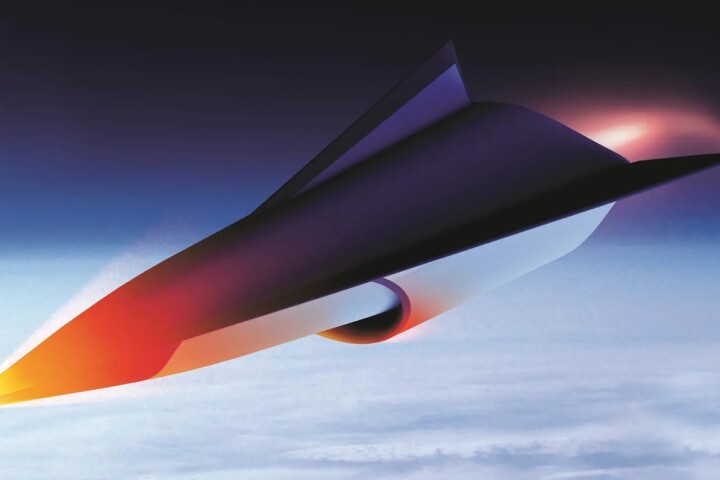 GE Aerospace has demonstrated what it claims is the world's first hypersonic Dual-Mode Ramjet (DMRJ) rig test using Rotating Detonation Combustion (RDC) in a supersonic flow stream that could one day give hypersonic missiles longer range.
 -
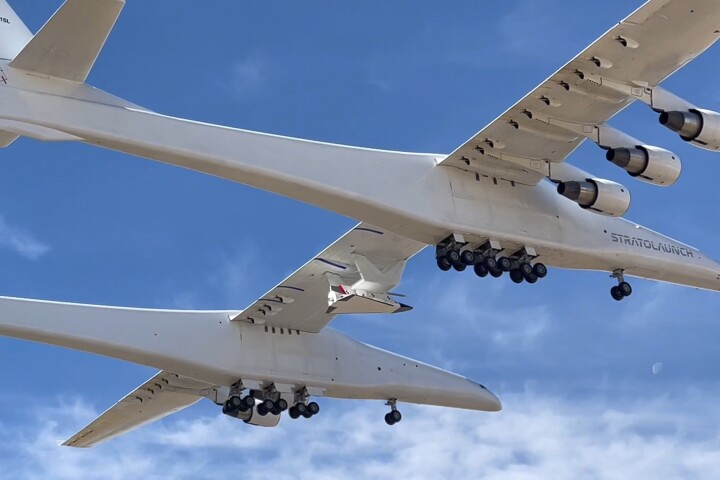 California's Stratolaunch has announced the successful completion of its 12th test flight, where its six-engine, 385-ft wingspan Roc carrier aircraft took to the air for a captive carry test of a Talon-A hypersonic vehicle hauling live propellant.
 -
 How do you protect hypersonic vehicles from the high temperatures of over 2,200 °C (4,000 °F) encountered when flying in excess of Mach 5? According to the RTX Technology Research Center, the answer is to make them sweat.
 -
 Boeing has been tapped by DARPA to develop and test the technology that will be required to build a prototype to intercept hypersonic missiles in the upper atmosphere as part of the agency's four-year Glide Breaker program.
 -
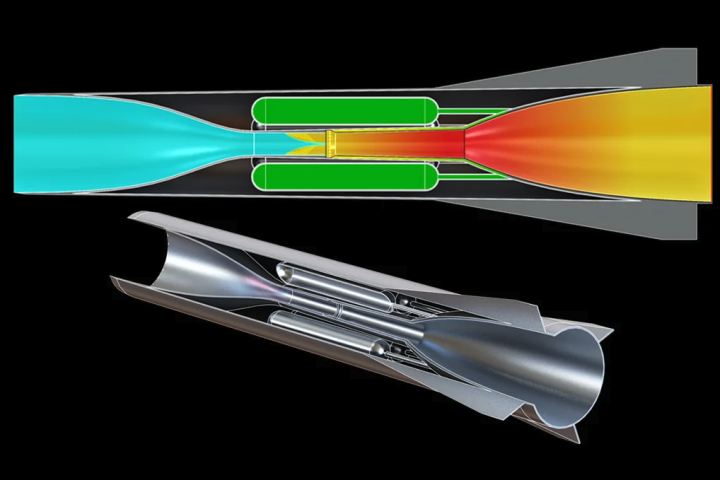 The US Naval Research Laboratory has funded a groundbreaking project to develop a new hypersonic engine capable of morphing its shape during flight to optimize power, thrust and efficiency. It's now entering experimental testing in Florida.
 -
 The French Directorate General of Armaments (DGA) has announced that France launched its first hypersonic missile on June 26, 2023 at 10.00 pm CET from the DGA Biscarrosse site on the southwest coast of France near Bordeaux.
 -
 Better known for building and flying lightweight small and medium orbital launchers, Rocket Lab is branching out. The company has announced the successful full launch of its HASTE rocket, which is designed to boost hypersonic vehicles well past Mach 5.
 -
 Meet the X-66A, NASA's Sustainable Flight Demonstrator full-scale single-aisle research plane, featuring transonic truss-braced wings and designed to explore net-zero aviation emissions and more economical passenger flight near the speed of sound.
Load More