
Housing
-
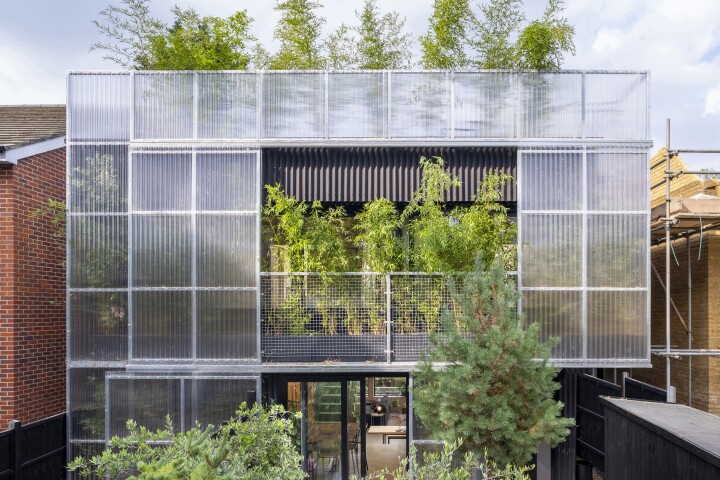 From a svelte residence that stays cool with the breeze, to a 3D-printed housing development, plus a bamboo dwelling designed to handle flooding, our top 10 houses of 2023 showcases the finest residential design that we've seen throughout the year.
 -
 The Bjarke Ingels Group has designed a new luxury residential project for Greece. The building will feature a complex overall form that's shaped into an eye-catching stepped volume meant to reimagine classic Greek architectural columns.
 -
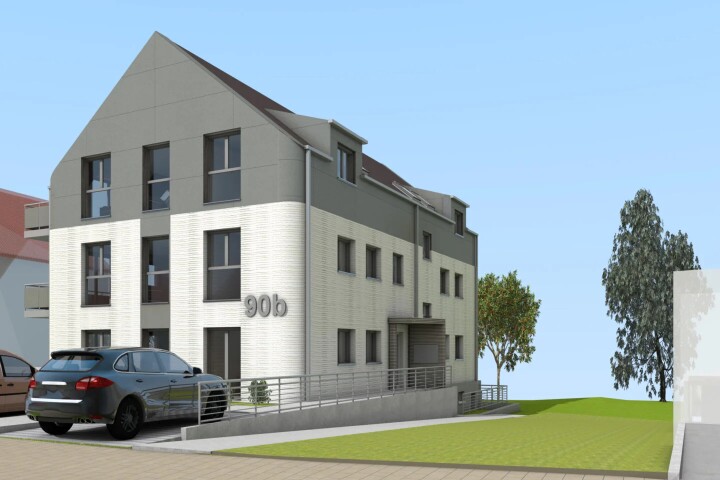 3D-printed construction continues to grow in popularity, and the latest example is an ambitious apartment building in Germany. The project will incorporate cutting-edge 3D printing tech and timber, and will host affordable social housing.
 -
 Alongside the 2023 Stirling Prize, RIBA has also revealed the winner of this year's Stephen Lawrence Prize. The Lighthouse Children's Home, by Conrad Koslowsky Architects, has got the nod for its subtle and sensitive design of a children's home.
 -
 A study has found that renting privately is more strongly associated with faster biological aging than unemployment or being an ex-smoker. The findings highlight the important link between housing and health.
 -
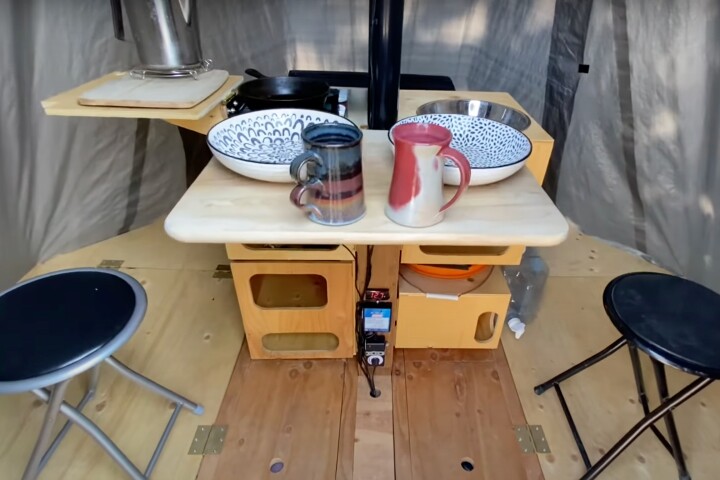 While it's important to find homes for the houseless, the truth is that many people will stay living on the street in the meantime. The Mini Mansion is made with that fact in mind, as a portable and better equipped alternative to current options.
 -
 Modern timber construction continues to go from strength to strength, with the latest major development recently revealed for Sweden. Described as the world's largest wooden construction project, it will include 2,000 homes made from timber.
 -
 In an effort to create low-cost, sustainable housing, researchers have created a composite material by replacing sand in concrete and mortar with a common, non-degradable waste product: used disposable diapers. But would you build your house with it?
 -
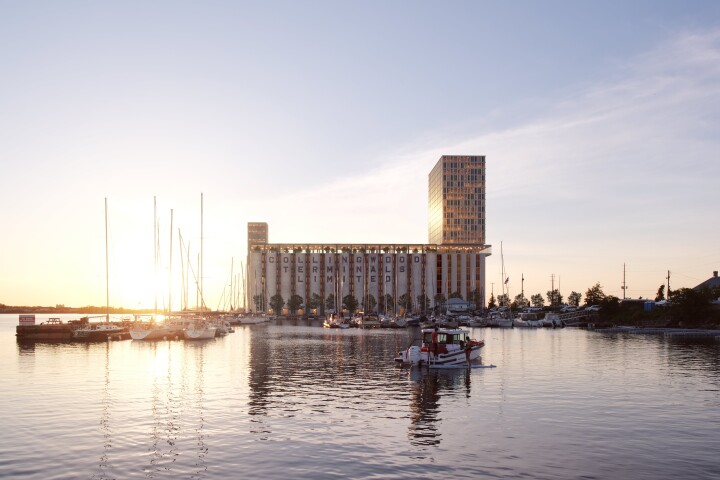 Grain silos are a fertile source of inspiration for architects around the world. The latest example of this is a disused grain terminal in Collingwood, Ontario, which is undergoing an ambitious transformation into a hotel and residential building.
 -
 Leading 3D printing firm Icon has revealed an ambitious competition that aims to revolutionize affordable housing. Named Initiative 99, it will solicit designs for 3D-printed homes that can be constructed for under $99,000.
 -
 Pininfarina is best known for its work in the automotive industry. However, the prestigious firm now plans to use its considerable design expertise to create a luxurious wellness retreat and residential community in the Mexican jungle.
 -
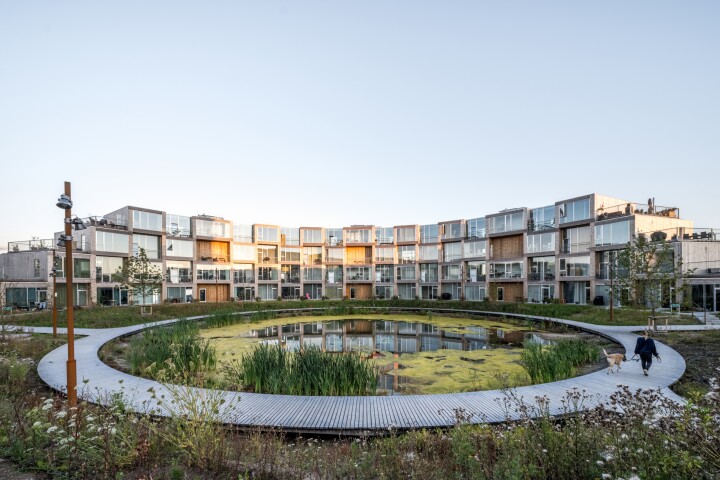 The Bjarke Ingels Group has created a spiral-shaped development of almost 100 modular homes in Denmark, which wind around a central pond that forms part of a clever rainwater capture-and-reuse system that makes significant water savings.
Load More