
Honda
-
 One of the largest automotive shows in the world, the New York International Auto Show happens every year in New York City. For decades, it's been the home of the World Car of the Year awards and a fulcrum for automotive unveils in North America.
 -
 New cars bought in the last few years have twice as many quality problems as they had in 2010. Some well-known brands are averaging more than five issues per car – and the stats show things will probably get a lot worse before they get better.
 -
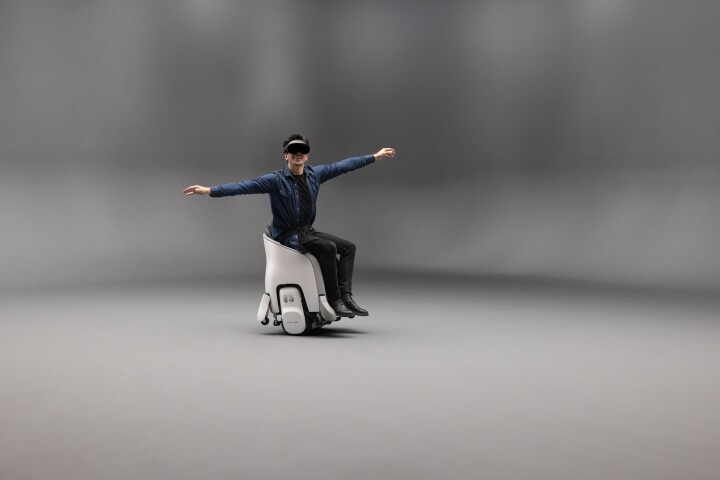 Honda has found a new application for its sit-down Segway for lazy shoppers. The Uni-One is being merged with VR goggles for "a first-of-its-kind extended reality experience that merges the joy of mobility with virtual reality adventures."
 -
 Honda has revealed two very different EV concepts at CES 2024. The flagship "Saloon" looks like a sports car that could be in Lamborghini's future, and the "Space-Hub" is a boxy everyday commuter with panoramic glasshouse and flexible interior.
 -
 Cruise, General Motors (GM) and Honda have announced plans for a joint venture that will begin a driverless ridehail service called Cruise Origin in Japan in early 2026, pending regulatory approvals.
 -
 HySE, a Japanese research association that counts Honda, Toyota and Yamaha as members, is preparing a hydrogen ICE-powered side-by-side for Dakar 2024. Its supercharged X1 off-roader will tackle part of the grueling event for hydrogen engine R&D.
 -
 Back in March, Honda announced that it was looking for partners to test its rolling electric platform "designed to enhance workforce productivity and support repetitive tasks." Now the AWV has been given inspection duties at Toronto Pearson Airport.
 -
 The idea of a clutchless motorcycle just feels wrong to some riders. After many years trying to sell fully automatic motorcycles, Honda has come up with a "best of both worlds" E-Clutch system that lets you use or ignore the left lever as you please.
 -
 Honda has announced a 210-km electrified version of its cute-but-capable gas-powered N-Van, as part of the company's mission to sell only electric vehicles in Japan by 2030.
 -
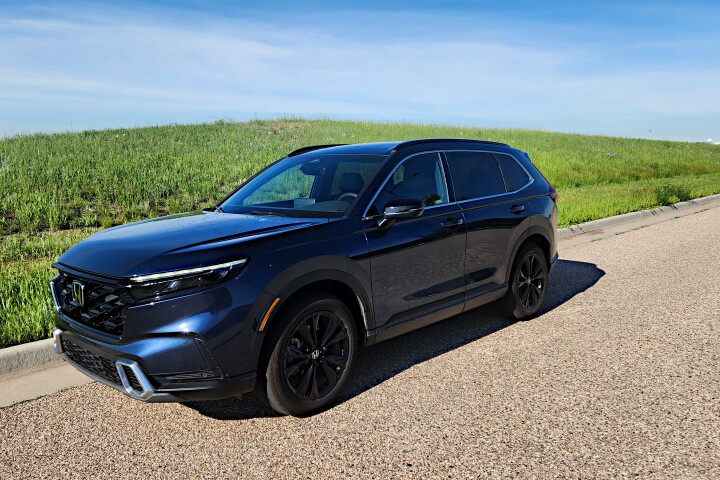 Honda USA has sold hundreds of thousands of CR-V models and it’s by far Honda's most popular model in the US. The sixth-gen CR-V arrived for 2023. Is it exciting? No. Is it fast and fun? Also no. Is it extremely practical and right-sized? Very much so.
 -
 Honda has announced a new addition to its side-by-side UTV lineup. The new Talon 1000R-4 Fox Live Valve is wider and longer than the standard four-seat 1000R-4 to add more off-road capability in rough terrain.
 -
 Honda has patented a new type of airbag system for motorcycles, which would rapidly inflate in a crash or fall situation, wrap around the rider's torso in a great big hug, and detach from the bike to protect the rider when the two are separated.
Load More