
Heart
-
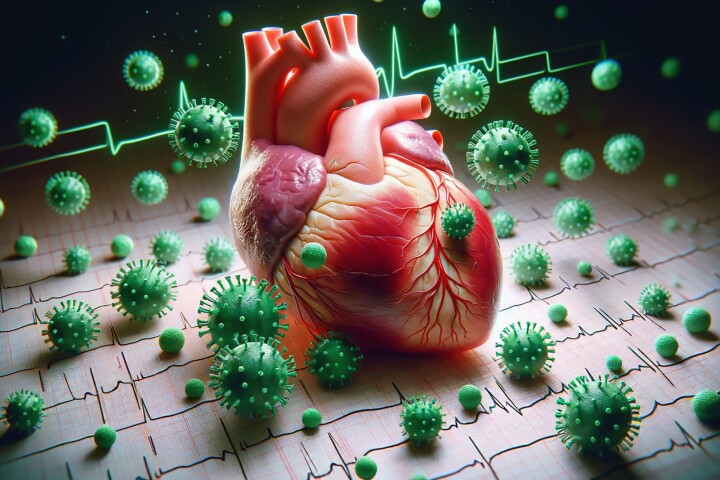 Inflammation from a viral infection has traditionally been thought to cause acute myocarditis, which can lead to fatal heart arrhythmias in healthy young adults. Now, it seems it's something else that damages heart cells before inflammation kicks in.
 -
 A new pacemaker is thinner than a human hair, wireless and operated entirely by light from an optic fiber. The non-invasive device could help regulate heart activity or even stimulate neurons in a set pattern to treat conditions like Parkinson’s.
 -
 More than 50 Taylor Swift songs have an optimal tempo for delivering effective chest compressions during out-of-hospital cardiopulmonary resuscitation or CPR. Researchers are hoping Swift’s music will teach fans – and others – how to save a life.
 -
 Researchers have developed a reusable ECG vest that takes high-resolution images of the heart's electrical activity that can better identify people at risk of future heart problems and could pave the way for more personalized treatment of heart disease.
 -
 As a less invasive alternative to open-heart surgery, cardiac surgeons are increasingly accessing the heart from within using central venous catheters. An experimental new catheter could soon make such procedures quicker and easier than ever before.
 -
 Researchers have developed a biodegradable patch engineered from human cells that could be used to correct infant congenital heart defects, limiting the need for multiple invasive surgeries and outlasting current non-living, non-degradable patches.
 -
 People with high blood pressure may soon be able to swap the daily pills for an injection every few months. A phase 2 clinical trial has shown that Zilebesiran can drastically reduce blood pressure for long periods of time with no side effects.
 -
 Half of the adult population has high blood pressure, but new research suggests that several million people may have elevated readings due to poor testing procedures. Experts call for a spotlight on how and where patients sit while in the cuff.
 -
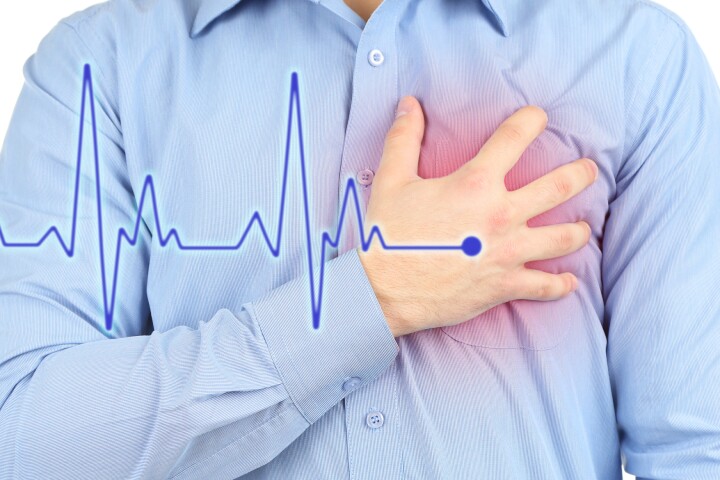 A new study has found that a traditional Chinese medicine reduced complications following a serious heart attack, including future heart attacks, stroke and death, and its benefits can last up to a year.
 -
 Gut health can affect whole-body health. One of the latest findings to support this idea shows that using an antibiotic to alter the bacteria in the guts of rats lessened the damage to the heart and kidneys sometimes seen with hypertension.
 -
 In a fascinating new study, scientists have for the first time uncovered the heart-brain pathway, fueled by specific over-excited sensory neurons, that triggers fainting. The discovery is a huge step towards targeted treatments for a host of conditions.
 -
 A new study has shown, for the first time, what many of us have long felt: grammar mistakes can trigger negative physical reactions, including one that stems from the part of our sympathetic nervous system that initiates the fight or flight response.
Load More