
Hearing
-
 A breakthrough clinical trial using gene therapy has restored hearing to five children born deaf. After six months, the children were able to recognize speech and hold conversations, raising hopes for wider use in the near future.
 -
 Back in 2018, scientists at Duke University discovered that each time our eyes move, our ears make an imperceptible squeaking noise. Now, the researchers have developed a method of telling where a person is looking by analyzing those sounds.
 -
 Even when using a hearing aid, it can be quite difficult for deaf people to make out specific individuals' voices in noisy environments. The new SpeakerBeam system could help, by automatically recognizing and boosting a select person's voice.
 -
 While fans of Another Brick in the Wall (Part 1) may be horrified, researchers have recreated the song from brain activity. In the process, they discovered the way brains process rhythm and melody, which has huge implications for therapies.
 -
 Researchers have identified the molecular pathway that allows male mosquitoes to hear females, which is crucial to their reproduction. It could lead to insecticides that exploit this pathway to control mosquito populations and reduce disease transmission.
 -
 Many of us accept that we’ll naturally lose some hearing as we age, but there may be a way to slow that down. Scientists have identified a mechanism that lets hair cells repair themselves, which could be hacked for therapies that restore lost hearing.
 -
 Nearly 60 years after American folk duo Simon & Garfunkel sang their earworm tune “The Sound of Silence,” three researchers have resurrected the age-old question as to whether the absence of noise is something we can hear and our brains can interpret.
 -
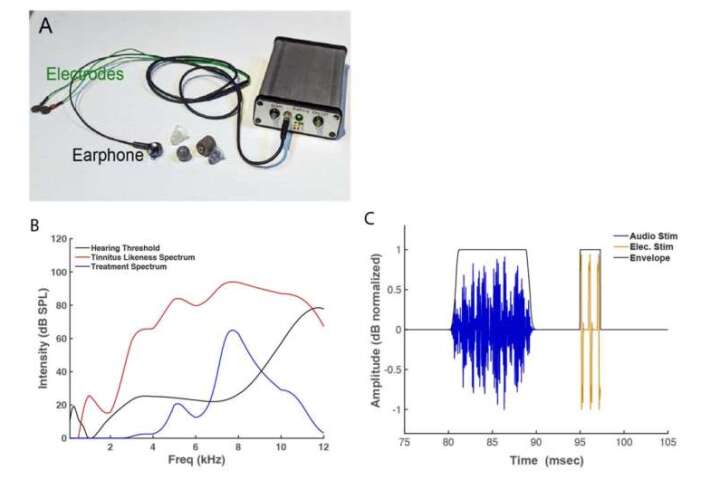 A "bi-sensory" treatment combining precisely timed sound and touch has shown impressive results in reducing people's experience of tinnitus, a common and debilitating form of hearing damage that presents as an incessant ringing sound in the ears.
 -
 Age-related hearing loss impacts one in three adults aged 64 to 75 in the US, and around half of these cases are down to faulty genes. Using older animals to mirror a human study, scientists successfully reversed hearing loss caused by one such gene.
 -
 A team of researchers has created a way to inexpensively manufacture acoustic head simulators. They can help measure the way we take in and process sound – especially in noisy environments like cocktail parties.
 -
 When deaf athletes with cochlear implants take part in sports, they have to wear headgear that protects the external parts of their implant. A new wearable serves that same purpose, while allowing users to hear the sounds around them much better.
 -
 The ringing, rushing sound of tinnitus is a complex condition. It's caused by a range of factors, so there's no known one-size-fits-all treatment. But researchers are reporting excellent results with a combination treatment in a smartphone app.
Load More