
Healing
-
 Mussels and silkworms may soon be indirectly responsible for saving people's lives. Scientists have used proteins from both animals to develop an internal wound dressing that stops bleeding and prevents infections.
 -
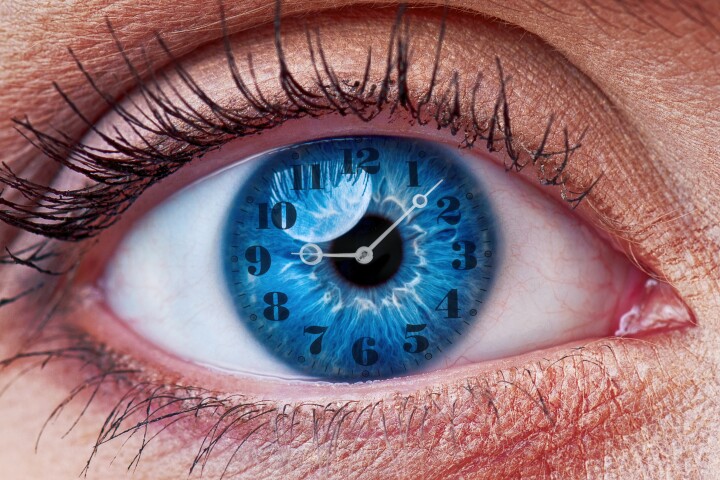 For the first time, scientists have established that our perception of the passing of time can, independently, influence how a wound heals. It opens the door to better understanding the mind-body's connection and its role in healing and recovery.
 -
 Ordinarily, when treating chronic wounds, caregivers go to great lengths to keep them free of bacteria. An experimental new dressing, however, actually introduces bacteria to help such wounds heal.
 -
 The skin ulcers that diabetics often develop on their feet are slow to heal, sometimes to the point that they become infected and require foot amputation. A magnetic gel could keep that from happening, as it triples the healing speed of such wounds.
 -
 For the first time, scientists have combined six primary skin cell types with hydrogels to ‘print’ a thick, multilayered skin that, when transplanted, successfully integrated with surrounding tissue to heal wounds more rapidly and with less scarring.
 -
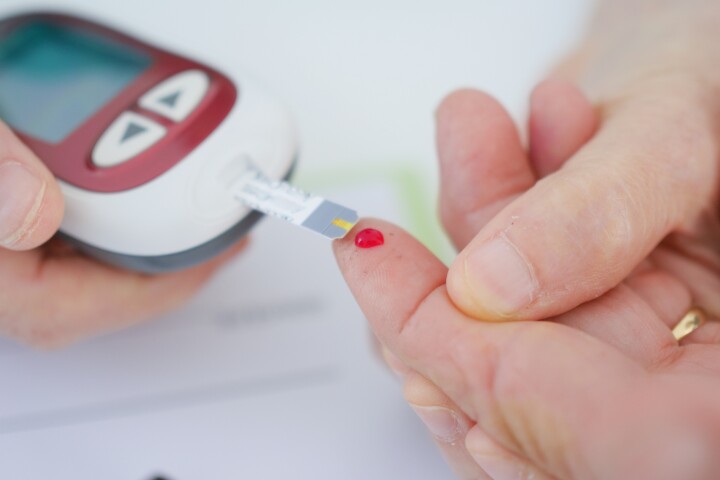 Researchers have uncovered the mechanism that causes wounds to heal more slowly in diabetics, putting them at increased risk of infection and other serious complications. They say their findings could offer a new approach to the disease.
 -
 Scientists from Northwestern University have successfully created a device, tested on mice, that can detect warning signs of kidney rejection up to three weeks before current monitoring methods.
 -
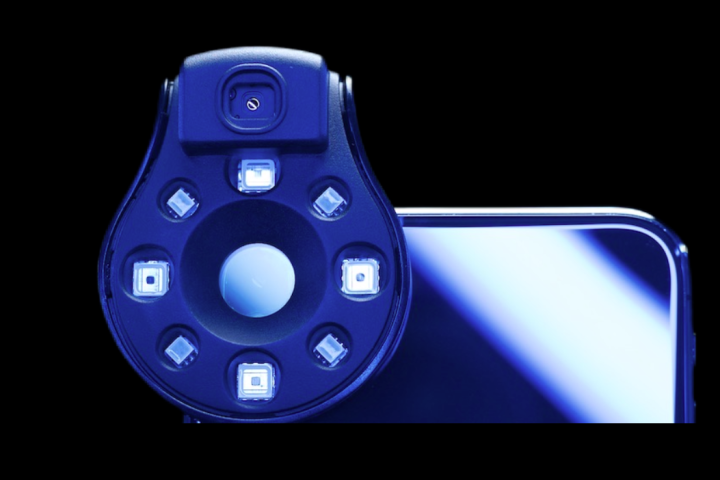 When Captain Kirk stepped out with a tricorder in hand in Star Trek in 1966, the data sensing, scanning and analyzing gadget seemed a rather useful but far-in-the-future piece of technology. With the Swift Ray 1, we're a step closer to its reality.
 -
 It's ironic that in order to see how a wound is healing, the dressing has to be removed, potentially setting back the healing process. A clever new bandage, however, continuously shows how the wound is faring – without needing a power source.
 -
 Most wound dressings simply cover the injury and perhaps also kill harmful bacteria. The PAINT system goes much further, as it incorporates a pen that could one day allow doctors to paint a gelatinous healing ink right into wounds.
 -
 Scottish woman Jo Cameron is a medical marvel who feels little pain, fear or anxiety, and had faster wound healing, thanks to a specific gene mutation. Now, scientists have studied why in more detail, in the hopes of unlocking future drug targets.
 -
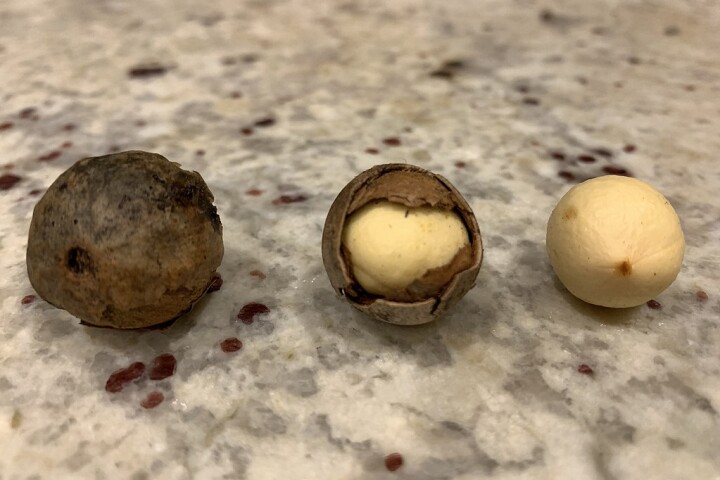 Researchers have confirmed what Indigenous Australians already knew: native plants have great healing properties. Two plants have been found to heal wounds quickly and efficiently, paving the way for the use of more plant-based therapeutic treatments.
Load More