
Harvard
-
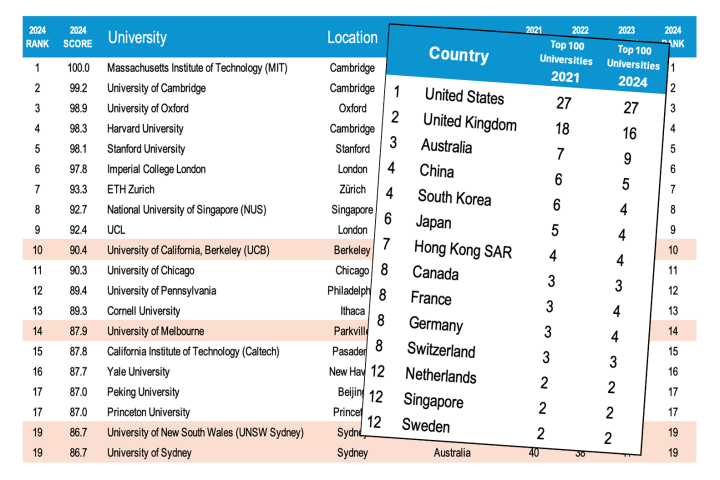 The 2024 QS World University Rankings were released this week, and with three new key metrics added to the scoring process, several universities have rocketed to the international forefront, while traditional icons are being pushed below the fold.
 -
 Harvard engineers have created a strange new “metafluid” – a liquid that can be programmed to change properties, like its compressibility, transparency, viscosity and even whether it’s Newtonian or not.
 -
 While there are already apps that guide blind users to a bus stop's GPS coordinates, those people may unknowingly end up standing too far away from the actual stop. A new app addresses that shortcoming, by letting the phone's camera in on the act.
 -
 A breakthrough clinical trial using gene therapy has restored hearing to five children born deaf. After six months, the children were able to recognize speech and hold conversations, raising hopes for wider use in the near future.
 -
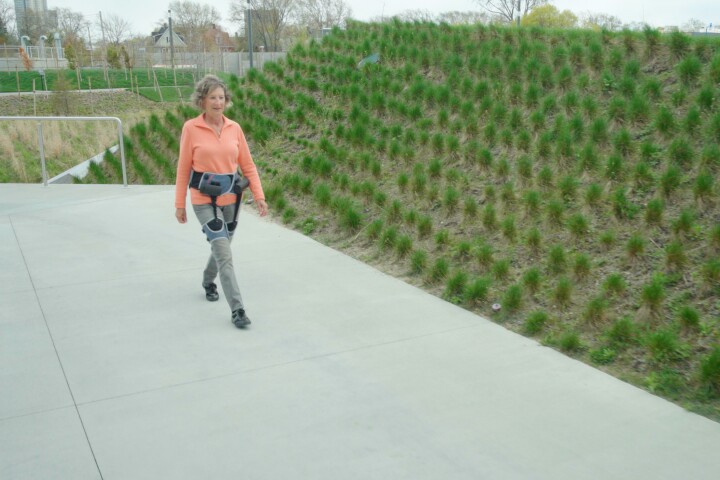 People with Parkinson's disease often develop a problem known as "gait freeze," in which their legs simply stop stepping forward as they're walking. A new exoskeleton, however, has proven to be very effective at keeping such individuals' legs going.
 -
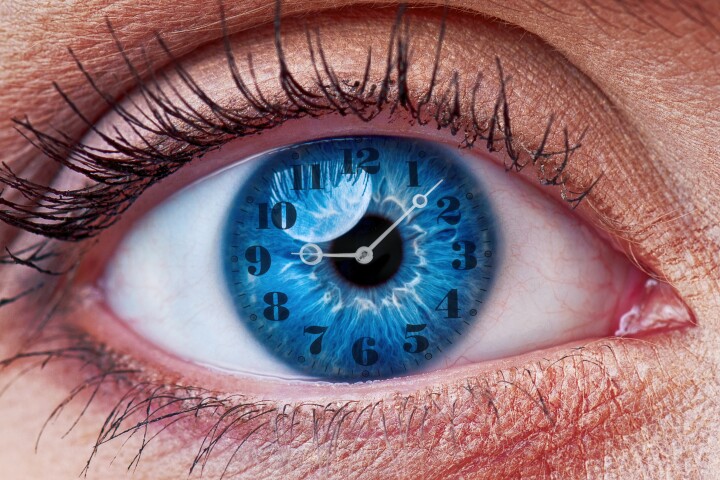 For the first time, scientists have established that our perception of the passing of time can, independently, influence how a wound heals. It opens the door to better understanding the mind-body's connection and its role in healing and recovery.
 -
 Researchers have done a deep dive into five different low-carbohydrate diets to see which is better for long-term weight change. Their findings highlight the importance of diet quality when trying to maintain a healthy body weight.
 -
 In order to keep surgeries minimally invasive, it would be great if implants could be injected into the body in liquid form, then solidified once in place. Well, a new ultrasound-based 3D printing process may one day make that very thing possible.
 -
 Most of us have woken up with an aching back after a sleepless night, only for that pain to then keep us awake the next night. Now Harvard scientists have discovered a possible link between pain and poor sleep, and maybe even a way to break the loop.
 -
 CRISPR systems are powerful tools for genetic engineering, but they have their limitations. Now, scientists have discovered almost 200 new CRISPR systems in bacteria, and found that some can edit human cells even more precisely than existing ones.
 -
 Inspired by a water-dwelling spider, researchers have created a novel surface material that stays dry for months underwater. They say the surface is easy to produce, scalable, and has a wide range of practical applications.
 -
 Scientists have demonstrated in mice that specially designed probiotics can reduce brain inflammation from diseases like multiple sclerosis. The study points to new potential therapies for chronic conditions that may be as simple as popping a pill.
Load More