
Glucose
-
 The magnetometer found inside your cellphone acts like a traditional compass to help you navigate your surroundings. Now, researchers are using it to map human biology, and it could ultimately make managing diabetes a lot cheaper and easier.
 -
 Daily finger-prick blood tests are an uncomfortable fact of life for diabetics, but they may not always have to be. Scientists from Canada and the US have developed a prototype home-use device that measures blood glucose levels via saliva samples.
 -
 When diagnosing type 2 diabetes, physicians can look for a range of typical symptoms such as frequent urination and excessive thirst. Now, researchers say the development of other illnesses in the body might need to be added in as a predictive tool.
 -
 Kombucha, a drink made by fermenting sweetened tea, has shown some promise as a health-promoting beverage. Now, its powers may extend to helping those suffering from type 2 diabetes keep their blood glucose levels in check, according to a new study.
 -
 Researchers have discovered a plant extract that targets the glucose-regulating regions of the brain that are inflamed in type 2 diabetics, improving blood glucose levels. The findings open the door to a novel, natural treatment for the disease.
 -
 A new study has uncovered the mechanism by which the brain waves produced during deep sleep can predict blood glucose control. The discovery highlights the importance of sleep in managing diabetes and offers a novel way of mapping the disease.
 -
 While more than one in five adults have prediabetes, around 80% won't be diagnosed until it develops into more serious health issues. New technology aims to make screening easy, allowing for early detection, which is key to reversing the condition.
 -
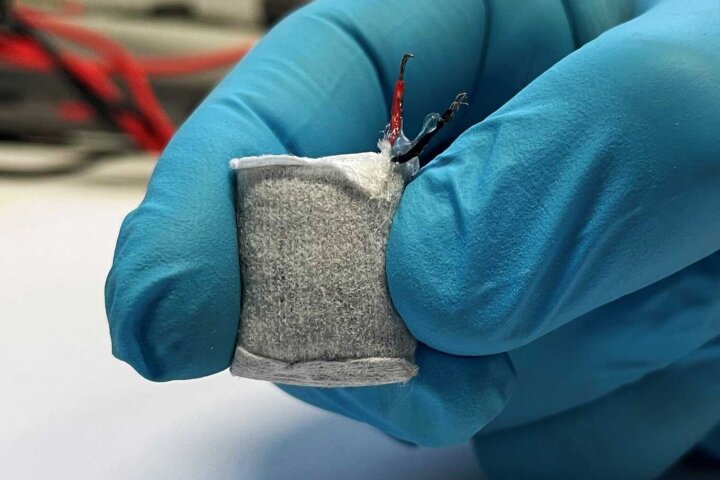 This internal fuel cell powered by excess glucose in the blood works in tandem with engineered beta cells that can produce and secrete insulin on command. It could spell a new level of autonomy in treatment for type 1 diabetes sufferers.
 -
 Intestinal glucose levels are a major indicator of gastrointestinal health, and the current method of measuring them involves putting a catheter down the patient's throat. Soon, however, a swallowable "smart pill" could do the job less intrusively.
 -
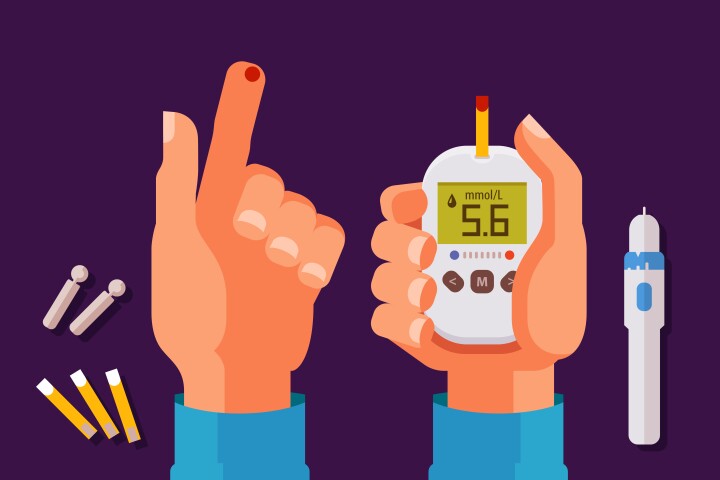 A study has shed light on the mystery of how high blood glucose leads to type 2 diabetes. The discovery reveals glucose metabolites can damage insulin-producing pancreatic beta cells, and disrupting this process could offer a way to treat the disease.
 -
 Powering medical implants can be tricky, but tapping into the body’s own fuel source could keep them going long-term. A new design for a tiny fuel cell converts glucose into electricity to power implants more efficiently than any other so far.
 -
 While we may think of wood as being earthy and natural, wooden materials such as plywood typically contain formaldehyde-based adhesives that give off toxic fumes. Such is not the case with a new adhesive, which is made from glucose and citric acid.
Load More