
Global Warming
-
 Despite a 2024 so far marked with serious conflicts that threaten to escalate further, climate uncertainty and the rapid ascension of AI technologies, the famous Doomsday Clock has remained paused at 90 seconds to midnight, the same time as last year.
 -
 Current evidence suggests many organisms will struggle to keep pace with a changing climate. However, unlucky for us, some pathogens may thrive – including, as this new study suggests, the bugs that cause the common diarrhea illness campylobacteriosis.
 -
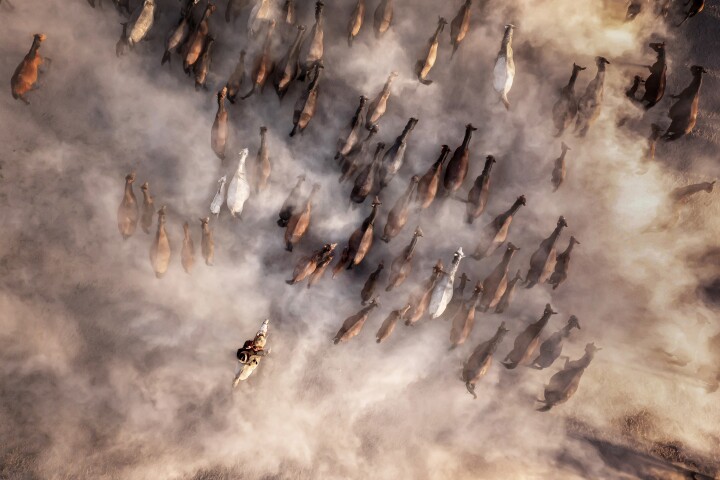 Photo contests offer a window to the world around us, and in this case, it's one full of grand beauty but also, increasingly of extremes. These images capture both the fight for survival and our resilience as we face life on a rapidly changing planet.
 -
 The 2023 James Dyson Award global winners have been announced. The prizes have gone to three different student teams, each of which offers novel solutions to modern issues including global warming and providing care in war and disaster zones.
 -
 If an enemy you were previously safe from turned up in your neighborhood, what would you do? That's a problem currently being faced by barnacles in northern Mexico, which are growing sideways to thwart invasive predatory snails.
 -
 According to some estimates, the generation of the heat used to produce traditional portland cement is responsible for 5% to 8% of all human-made CO2 emissions. A new substance known as C-Crete, however, is claimed to be a much greener alternative.
 -
 Each day we’re learning of new, devastating impacts of climate change, and what's now brewing has researchers sounding the alarm on the future of European beer, thanks to a steady decline in the quality and quantity of high-quality hops from the region.
 -
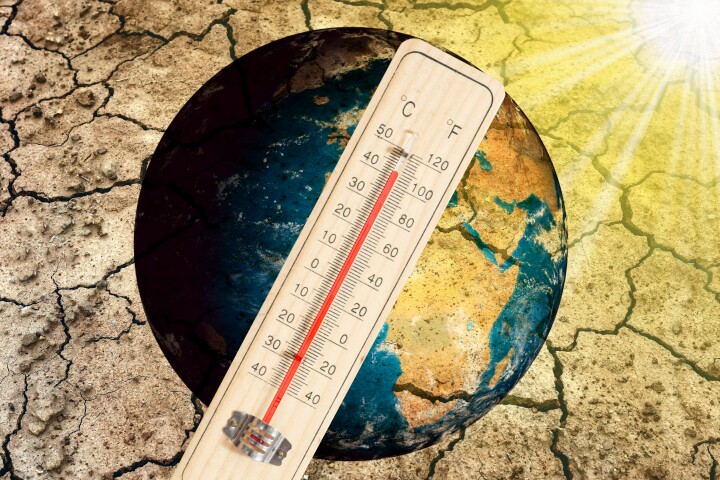 Coming as no surprise to the millions who sweltered through a Northern Hemisphere summer, the season that has just passed was Earth’s hottest since records began in 1880. The steamy baton is expected to now be passed on to the Southern Hemisphere.
 -
 As global temperatures soar, the ability to adapt is vital for every species, including our own. Scientists are hoping that by putting one more sweaty body out on the street, we'll find new ways to combat potentially deadly heat-related health risks.
 -
 Move over, cow burps. A team of scientists has shifted gears from the front to the back end of these methane-production powerhouses, using algae to curb gas emanating from their poop. It's a crap gig, but nature's best methane inhibitor is on the job.
 -
 It’s not just you – it has been hot lately. According to preliminary reports of global average temperatures, last week was the hottest week on record, with the record for hottest day broken several times in a row.
 -
 Most of the impacts of a warming planet are fairly obvious. But here's a strange one: researchers have found that older adults living in climates with higher average temperatures suffer a significantly increased rate of serious vision impairments.
Load More