
Georgia Tech
-
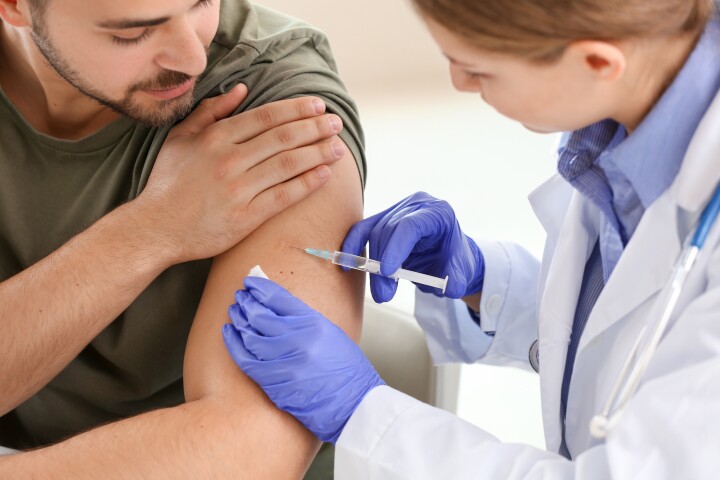 A single-shot vaccine that protects against multiple coronaviruses, including the one that causes COVID-19, has been developed. It erased all viral traces from the lungs of animal subjects, opening a pathway for a similar human vaccine.
 -
 Although the humble sea cucumber may not look like much, it could soon be recruited to help save the world's coral reefs. The bottom-dwelling animals have been found to play a vital role in protecting corals from harmful bacteria.
 -
 Scientists have given yeast a brand new ability – gaining energy from light. The technique was remarkably easy, the team says, and could not only help us understand evolution but make better beer and biofuel.
 -
 The animal kingdom has no shortage of weird and wonderful surprises, and this year biologists gave us some real treats to talk about. From microscopic bacteria to huge cetaceans, here are the most bizarre animal stories we covered in 2023.
 -
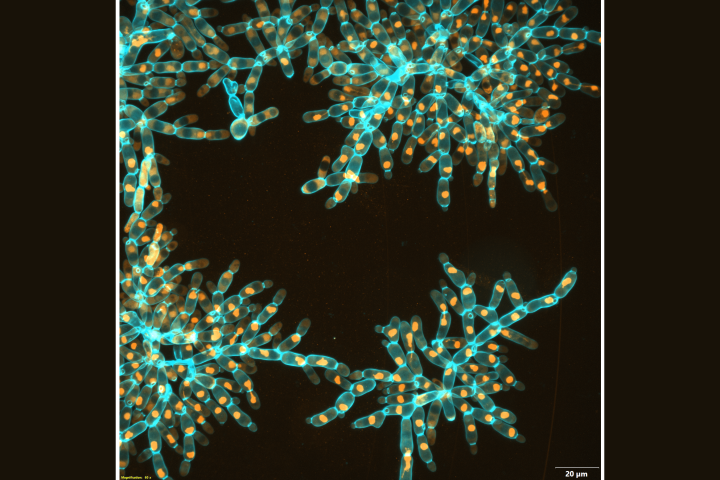 Scientists are conducting a long-term experiment on evolution to investigate how single-celled organisms could evolve into multicellular lifeforms. After thousands of generations, their yeast grew 20,000 times bigger and 10,000 times tougher.
 -
 Although biped and quadruped robots may excel at traversing uneven terrain, they require multiple sensors and complex algorithms in order to do so. Scientists have now taken a "simpler" approach, by creating a robotic centipede.
 -
 We’re willing to bet you’ve never given much thought to how bugs urinate, but even if you did you probably wouldn’t imagine them using butt-based pinball paddles to flick drops of pee at 40 G’s, using physics never before seen in nature.
 -
 Georgia Tech scientists have discovered a new quantum state in a quirky material. In a phenomenon never before seen in anything else, the team found that applying a magnetic field increased the material’s electrical conductivity by a billion percent.
 -
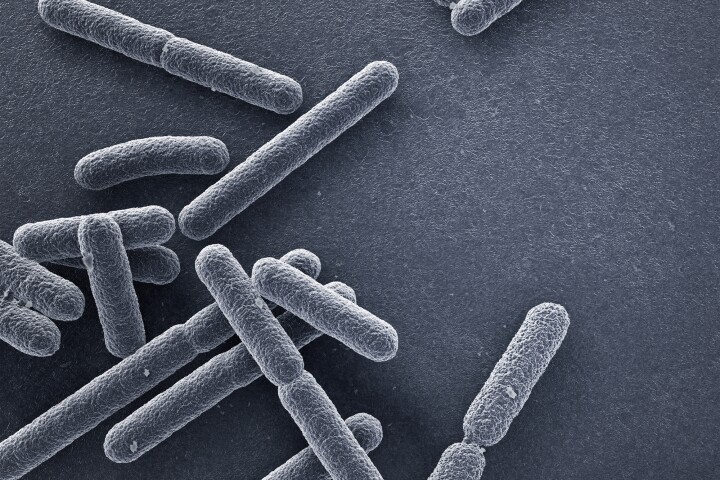 E. coli is arguably the most well-studied organism on Earth, but scientists have now discovered a new behavior that’s almost never seen in bacteria. The normally single-celled organisms have shown signs of previously unknown multicellular phases.
 -
 When it comes to communicable diseases, it's important to identify the source of an outbreak ASAP. In the case of cholera, a new toilet sensor could help, by detecting how many people in one area are experiencing one of the main symptoms – diarrhea.
 -
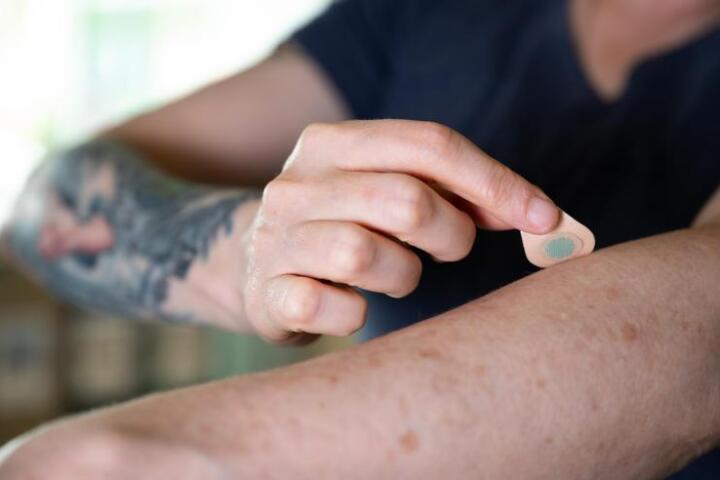 Scientists have developed a microneedle patch that can be self-administered and painlessly deposit a tattoo onto skin in minutes. The technology is proposed for simple medical or animal uses but cosmetic uses are possible in the future.
 -
 While many dog (or cat) owners would like to know what their pet does all day while left home alone, they don't necessarily want a bunch of cameras placed inside their house. The PetTrack system offers a less intrusive alternative, as it keeps tabs on pets via radio signals.
Load More