
Fuel Cell
-
 A hydrogen fuel-cell passenger train developed by Swiss rail vehicle maker Stadler Rail has achieved a new Guinness World Record, traveling for almost two days around the clock for a distance of 1,741.7 miles.
 -
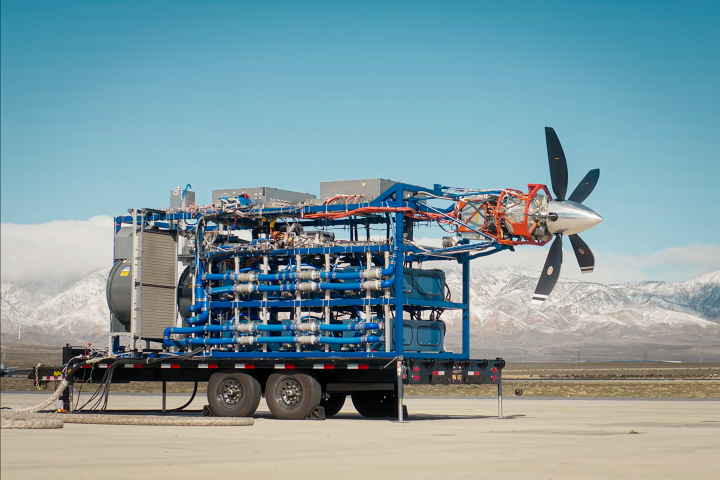 Universal Hydrogen is already flying the world's largest hydrogen airliner – and now the company has started testing swappable liquid hydrogen fuel modules that'll radically boost the range of clean passenger aircraft operations slated for 2026.
 -
 A Northwestern University team has demonstrated a remarkable new way to generate electricity, with a paperback-sized device that nestles in soil and harvests power created as microbes break down dirt – for as long as there's carbon in the soil.
 -
 MIT's Electric Vehicle Team has taken to the racetrack with a Ducati 900SS that's been gutted and converted into a hydrogen fuel cell motorcycle, hoping to start collecting a few fossil-fuelled scalps. It's also open-sourcing the design for others.
 -
 In a move that mirrors an Anglo American and Williams Advanced Engineering project from 2020, General Motors has partnered with Japan's Komatsu to develop a fuel-cell power module for the latter's 930E electric-drive mining truck.
 -
 Launched in February of this year, BMWs iX5 pilot fleet of hydrogen-powered cars has been getting field tested in countries around the world. Most recently, the passenger car got put through its paces in the punishing conditions of the UAE.
 -
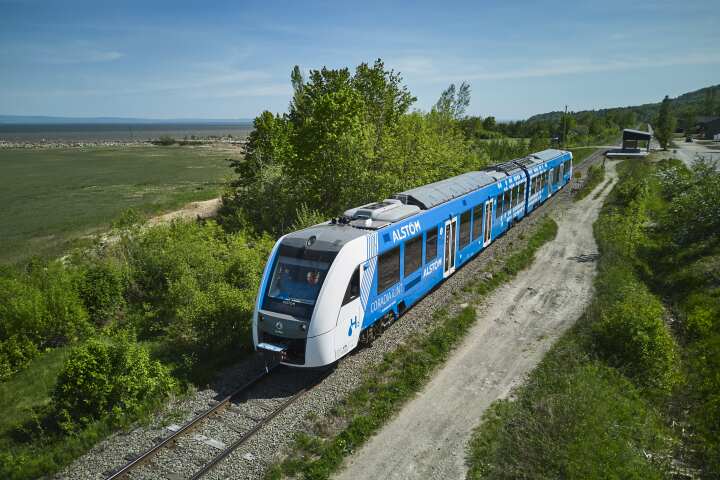 French transport multinational Alstom debuted the world's first hydrogen fuel-cell passenger train back in 2016, which went into service in Germany last year. Now the Coradia iLint is rolling down the track in North America for the first time.
 -
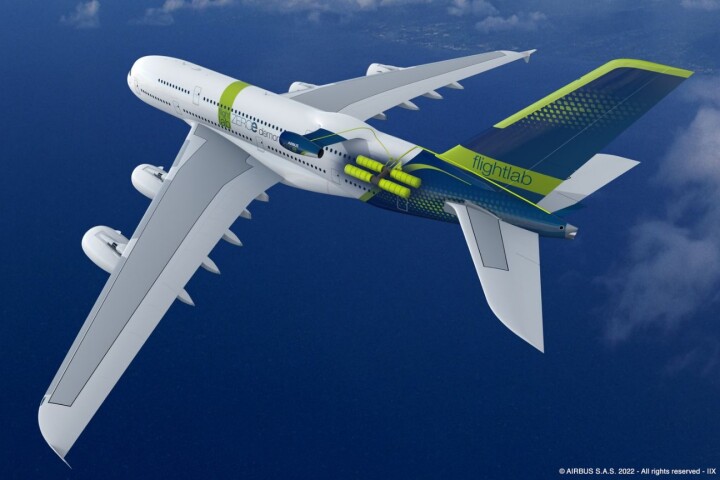 Airbus is looking towards a greener aviation future, revealing major projects to build hydrogen jet airliners with not only a complete hydrogen-fueled propulsion system, but also a hydrogen Auxiliary Power Unit (APU) to generate electricity onboard.
 -
 Compared to the electric camper vans, a hydrogen fuel cell RV could immediately boost driving range to something practical. First Hydrogen explores just such a concept, showing its next-generation fuel cell vehicle as an all-terrain camper van.
 -
 Researchers have developed a tiny battery that could be stored up to 100 years before being activated. The secret lies in sealing up dormant bacteria until it's time for them to be called into power-generating service.
 -
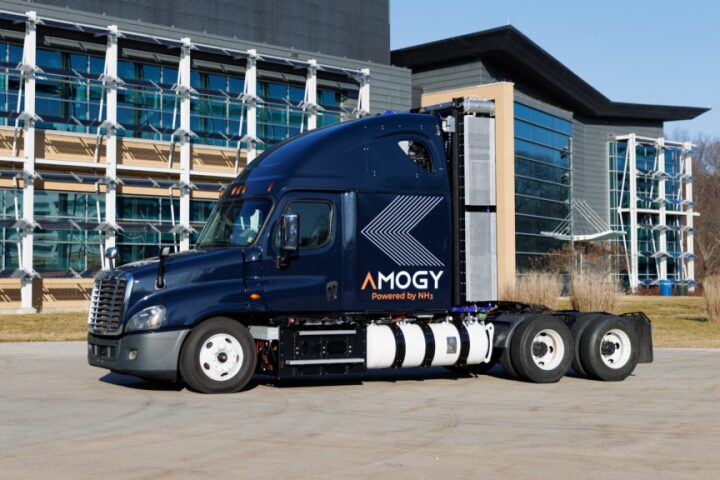 Claiming a system-level energy density 5X higher than batteries, Amogy has rolled out "the world's first ammonia-powered, zero-emission semi truck." It holds about 900 kWh of energy, like the Tesla Semi, but you can refuel it in about eight minutes.
 -
 Toyota forges ahead with its multi-pronged sustainable vehicle strategy. The Hilux Revo BEV concept makes an appearance just days after the company announced a fuel cell Hilux prototype. Will the future of the rugged pickup be BEV, FCEV or both?
Load More