
Food technology
-
 Machine-learning models predicted what would make beer taste better. Trained taste testers who drank the AI-altered beverages were greatly impressed. Now, scientists behind this taste-perfecting method have their sights set on much more than beer.
 -
 This indoor vegetable-growing machine uses artificial intelligence, cameras, climate control and a smartphone app to deliver a constant supply of fresh herbs and vegetables using minimal time, energy and effort.
 -
 Korean scientists have taken muscle and fat stem cells from cows and transplanted them into grains of rice. The end result is a new, high-protein food that should be cheap, environmentally friendly, and useful for famines, military or space travel.
 -
 Much as we may like sun-dried tomatoes, they're typically pretreated with sulfur dioxide or salt before the drying process, which may be carried out in an oven. By contrast, a new type of cherry tomato has been bred to dry right on the vine.
 -
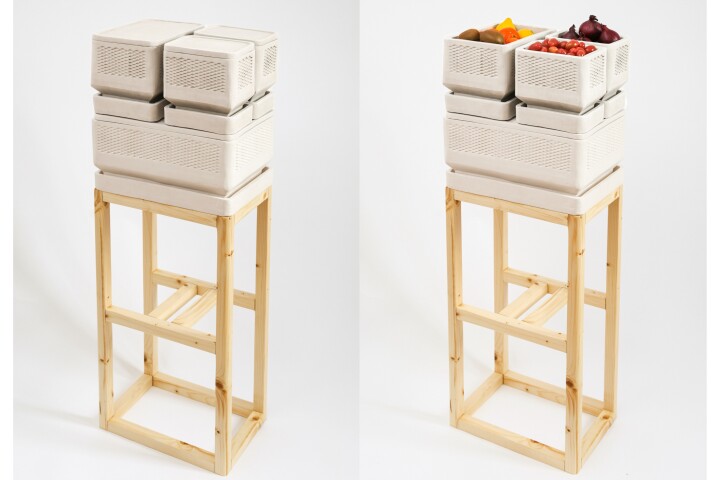 Lea Lorenz unveils TONY, a modern, eco-friendly solution to combat food waste. This innovative clay cooler reinterprets traditional methods, offering electricity-free freshness for fruits and baked goods.
 -
 The aroma of food plays a huge role in its perceived flavor, and unfortunately many plant-based meat alternatives don't smell much like real meat. That could be about to change, though, thanks to fungus and onions.
 -
 Researchers have created a 3D-printed plant-based calamari ring that’s high in protein and looks and tastes like the real thing. The mock seafood has the potential to address issues of overfishing by offering a sustainable, vegan alternative.
 -
 Good Meat's cultured chicken has been on sale in Singapore since late 2020. Now, the company has announced that it's cleared all regulatory hurdles in the US and will offer its product at a Washington, DC restaurant in short order.
 -
 Researchers have developed a tiny sensor that monitors the freshness of protein-rich foods like meat, chicken and fish in real time and sends the data to your smartphone. The device has the potential to transform food safety and security worldwide.
 -
 It may seem dangerous, but just in case future astronauts might have a yen for fries on a sojourn into space, ESA and the Aristotle University of Thessaloniki are investigating whether potatoes will fry ok in zero gravity or end up an undercooked mess.
 -
 It may be delicious and healthy, but fruit is frustratingly fickle, often going bad quickly in the fridge. Now, researchers in Thailand have developed an invisible, edible coating made with cannabidiol (CBD) that can preserve fruit for much longer.
 -
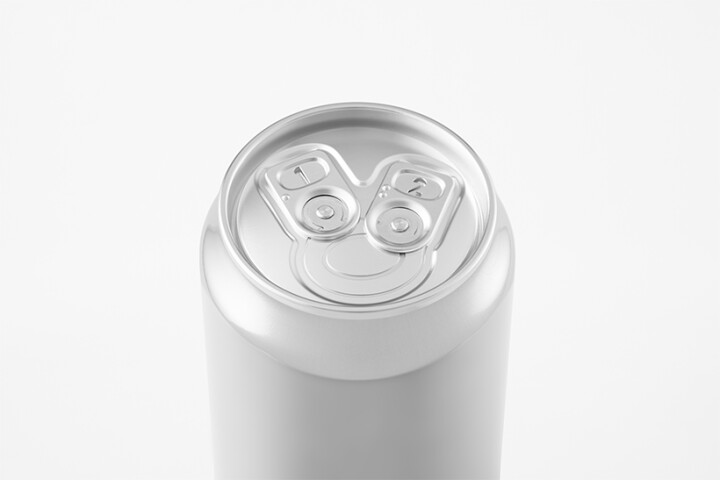 Beer from a can just ain't the same as beer from a tap, and a lot of it's about the foam. The Japanese take their beer foam pretty seriously, it would seem, and a design team reckons it's worked out how to deliver the perfect pour using an extra tab.
Load More