
fMRI
-
 For the first time, research has shown that a person’s beliefs influence brain activity and connectivity, producing a dose-dependent effect that was only thought to occur with pharmaceutical agents. The findings may improve responsiveness to medications.
 -
 A new study has found that specific regions of the brain are activated after a drug is taken intravenously but not when the same drug is taken orally. The findings could lead to new treatments for addiction.
 -
 Using brain imaging, researchers have found that obsessive-compulsive disorder affects particular areas of the brain involved in processing certainty during the decision-making process, providing greater insight into this enigmatic condition.
 -
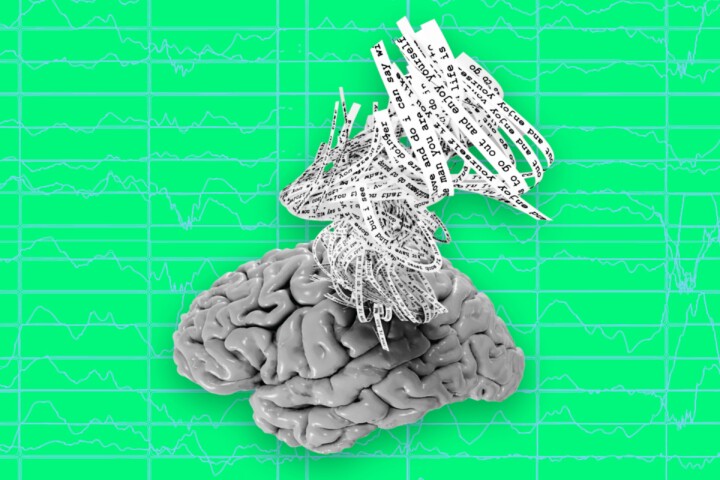 Researchers from the UT Austin have created a mind-reading AI system that accurately translates images of a person’s brain activity into a continuous stream of text, with potential applications for people who are conscious but unable to speak,
 -
 For all their love and companionship, our four-legged friends can cause a lot of stress. Scientists have now mapped the brains of anxious dogs, showing that they are indeed different, and it could lead to better treatment for happier, calmer dogs.
 -
 When it comes to PTSD, much of the clinical research focuses on improving the condition rather than predicting it. However, a new study has uncovered a brain marker that seems to show who is more likely to develop PTSD when exposed to trauma.
 -
 A new study has revealed that a human scream can convey a complex range of emotions beyond fear and danger. What's more, our brains perceive and respond to them in different and somewhat counter-intuitive ways.
 -
 Two new imaging breakthroughs demonstrate a PET/MRI approach to locate specific locations of chronic pain in a patient, and a full-body scanner that can visualize the complete systemic burden of inflammatory arthritis for the very first time.
 -
 New imaging research is offering insights into the relationship between Alzheimer’s and abnormal accumulations of iron in the brain. The study confirms a correlation between high iron deposits in some brain regions and rates of cognitive decline.
 -
 A new brain imaging study, examining cognitively healthy middle-aged subjects, is suggesting lower levels of estrogen in women post-menopause could play a role in triggering brain changes linked to Alzheimer’s disease.
 -
 A study is suggesting the global popularity, or virality, of a video can be predicted by looking at how certain areas of a person’s brain are activated while they view the first few seconds of footage. The technique has been dubbed neuroforecasting.
 -
 New research examining the brain activity of subjects sleeping suggests that instead of the traditional four sleep stages we generally understand the brain moves through, there are 19 identifiable brain patterns transitioned through while sleeping.
Load More