
Filters
-
 As recent history proves, airborne respiratory infections are not to be trifled with. Now, a new sprayable coating applied to standard air filters might give us a leg up in the war against the pathogens that cause these diseases.
 -
 While we've seen quite a few filtration systems for making polluted water drinkable, many are quite complex, or utilize costly materials. By contrast, an experimental new setup simply requires users to inject dirty water through a layer of cellulose.
 -
 Loading your bike with heavy bottles of water is a drag, but what else can you do on long rides? Especially if you don't use a hydration pack? Well, the Extract Water Filter lets you fill your bottle with water that you find along the way.
 -
 Years before Samsung and others started tackling microplastic from machine washes escaping into the environment, there was Slovenia-based PlanetCare. Now the company has announced its second-generation external filter.
 -
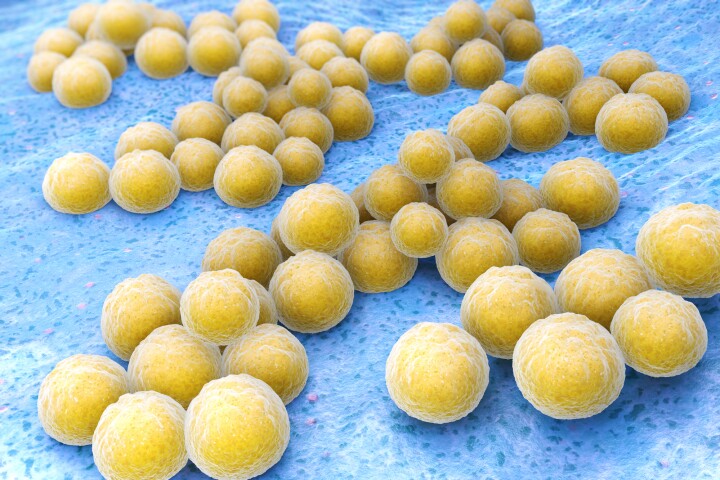 Although HEPA filters and UV lights are effective at neutralizing bacteria in hospitals, homes and other settings, they do have their drawbacks. A new light-activated material known as LumaFlo, however, is claimed to have them both beat.
 -
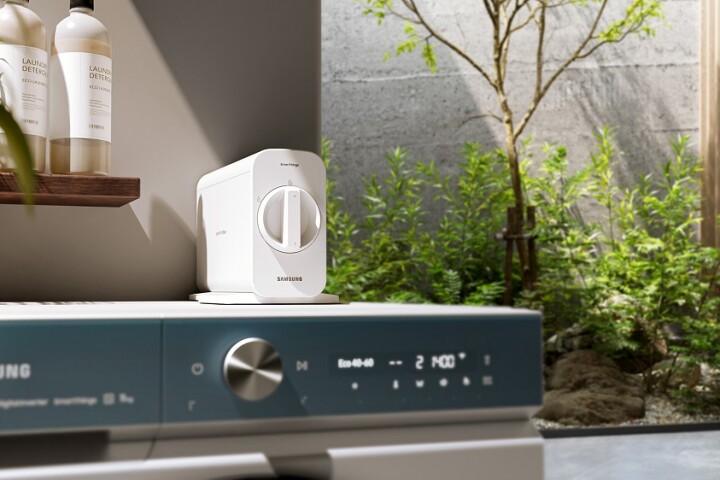 At CES 2023 in January, Samsung hatched a plan to stem the tide of microfibers shed during washing cycles from entering seas and oceans via a special wash program and an external filter. Now that Less Microfiber Filter has launched.
 -
 Back in 2020 we told you about the QuenchSea, a foot-pump-powered portable device for desalinating sea water. Well, its makers are back with the QuenchSea Reel, which uses deep-ocean water pressure to do the same job.
 -
 There’s no debate that microplastics present an ever-increasing ecological and health threat, but given their size, they're incredibly hard to remove from water. Now, some scientists believe sound waves and microfluidic technology may hold the key.
 -
 In countries such as India, a great deal of toxic dye waste from the textile industry is released into waterways, harming people and the environment. A new wood-derived filtration media could remove much of that dye from wastewater streams.
 -
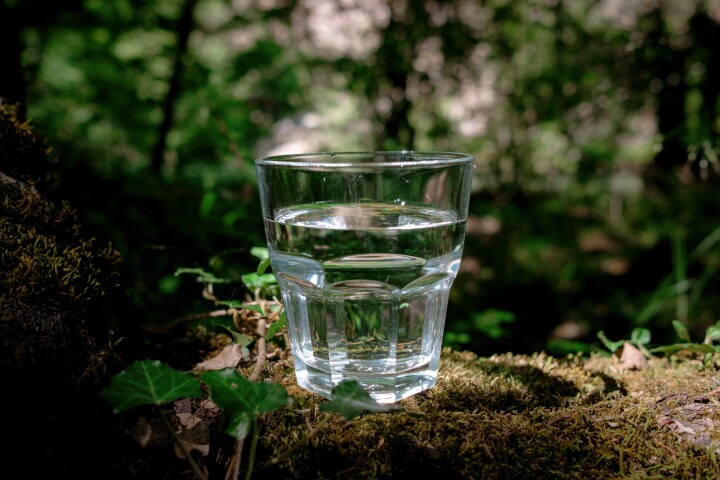 Microplastics are a growing environmental problem, but now researchers in Korea have developed a new water purification system that can filter out these tiny fragments, as well as other pollutants, very quickly and with high efficiency.
 -
 As microplastics pollution and potable water scarcity both worsen, it's becoming increasingly important to find efficient ways of filtering and desalinating seawater. A new aerogel definitely holds some promise, and it's made from egg whites.
 -
 Engineers at the University of Vienna have developed a new composite material that makes an efficient filter for removing organic pollutants from water. The system uses super-porous “nano-sponges” embedded on a sheet of graphene.
Load More