
Farming
-
 It's super-sustainable, easily made and nutrient-dense. And it puts all other food production to shame. Now, the first air-protein factory is open. It's the food of the future, and soon a $100 million industry – but will you be putting it on your plate?
 -
 This indoor vegetable-growing machine uses artificial intelligence, cameras, climate control and a smartphone app to deliver a constant supply of fresh herbs and vegetables using minimal time, energy and effort.
 -
 Upending existing theories, there was no peaceful transition of power from hunter-gathers to the first farmers. New DNA analysis reveals that instead it was a deadly takeover – one that completely wiped out the hunter-gathers within a few generations.
 -
 There's been a takeover of North America's soil by scores of non-native earthworm species this past century. It's time we pay more attention to the invaders and their potentially major impact on the continent's ecosystem, says a new Stanford study.
 -
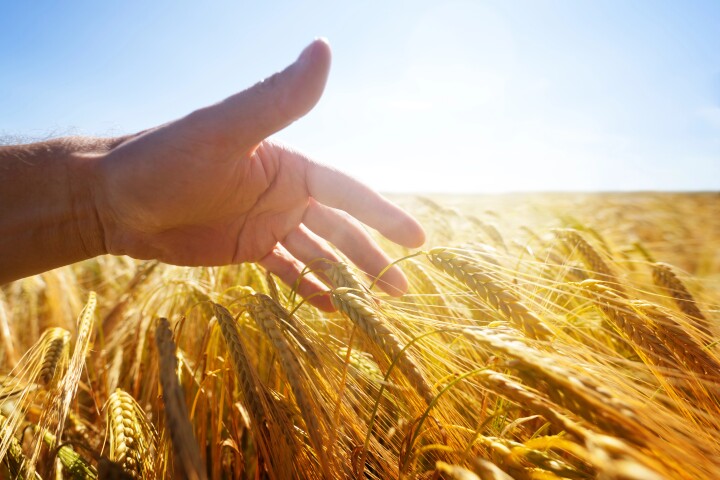 Herbicides were once touted as ‘miracle’ chemicals, but their days may be numbered as researchers work on targeted SynComs, microbial sharp-shooters that can take out weed infestations, enrich soil and, importantly, are safe for us and the environment.
 -
 With an eye toward creating food for people with certain health conditions, scientists in Italy grew radish, pea, arugula, and Swiss chard plants, precisely controlling certain nutrients. And they did it without any soil.
 -
 Chinese scientists have developed a cost-effective method of converting coal into protein, which they say could feed livestock much more efficiently than natural plants, while using a tiny fraction of the land.
 -
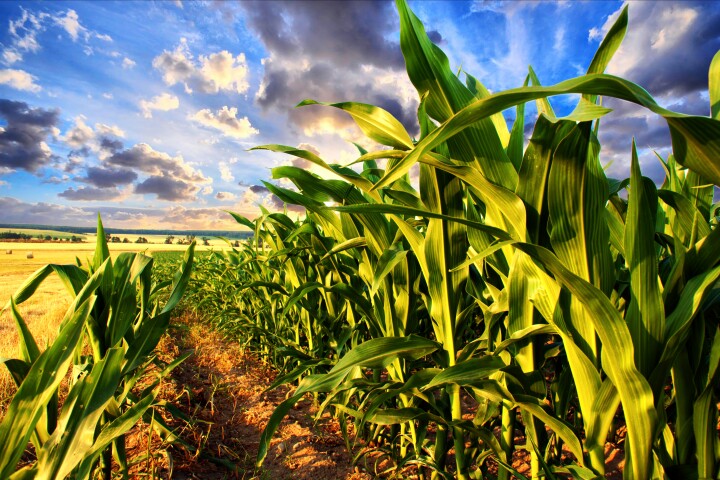 With nearly half the world's soil degraded, growing enough food to feed a global population is getting increasingly difficult and costly. Scientists believe they've got one solution, and it's already all around us: Arbuscular mycorrhizal fungi.
 -
 The Gyr cattle farmed in Tanzania handle the African heat well, but they produce much less milk than less-tolerant Holstein or Jersey cows. Scientists have set about addressing that problem, by creating hybrid cattle that combine both attributes.
 -
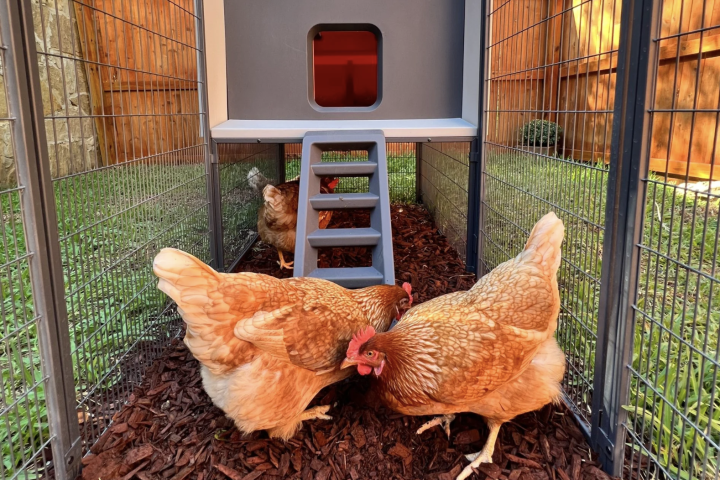 More than 17 million US households now have chickens. The world's first smart Coop, which is an ideal gateway to help novices raise chooks, has now rolled out Cluck Talk, which can tell you just what your chatty birds are saying to each other and to you.
 -
 After attracting more than 15,000 growers across 10 countries since its 2021 launch, the Auk indoor garden is now on its way to the US for the promise of year-round herbs, greens and tomatoes direct from the kitchen countertop.
 -
 Folks looking to harvest a steady supply of fresh greens from their kitchen may have limited success with pots at the window. SproutHub automates growing on the countertop, with the promise of an easy weekly harvest.
Load More