
Exoskeleton
-
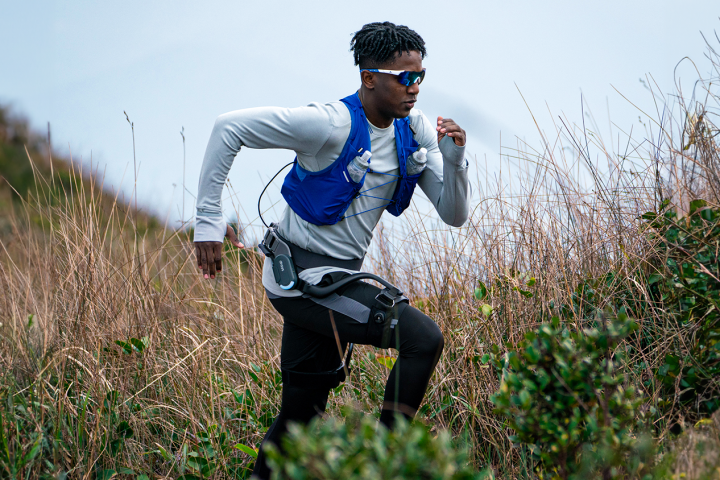 This new recreational adventure exoskeleton welcomes anyone to high-level hiking, scrambling and climbing, upgrading your anatomy with an extra 900 W of leg power. It shoulders up to 83 lb of load, sprints at speeds over 16 mph and packs down small.
 -
 Researchers are developing a robotic exoskeleton platform that could overcome the limitations of treadmills used during the rehabilitation of the many stroke survivors who have problems walking.
 -
 A new robotic exoskeleton could allow people who have lost the use of their legs to stand up and even walk. It may also help get them walking unaided again, by guiding their movements and holding them up as they take part in rehabilitative therapy.
 -
 Most exoskeletons are big, expensive, wearable devices designed to reduce the load on body parts such as the shoulders, arms or back. The Artus is different, in that it's made to protect the fingers … and it costs less than US$110.
 -
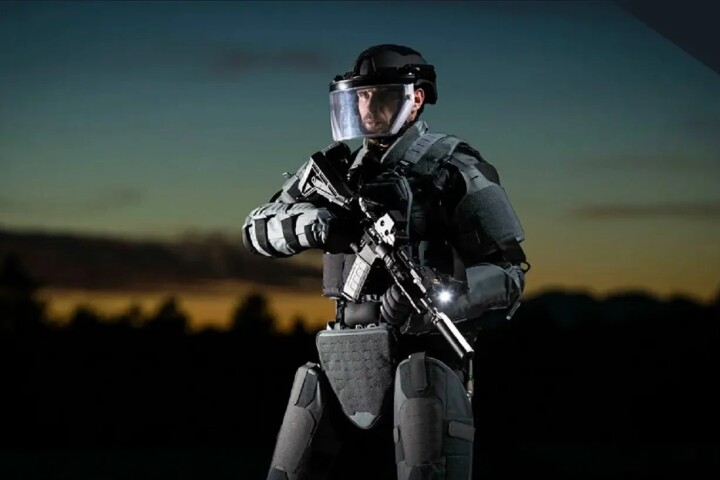 Soldiers and tactical unit police officers often have a lot of heavy gear to carry, including the ballistic body armor that they're wearing. That's where the ExoM Up-Armoured Exoskeleton is intended to come in, as it's load-reducing and bulletproof.
 -
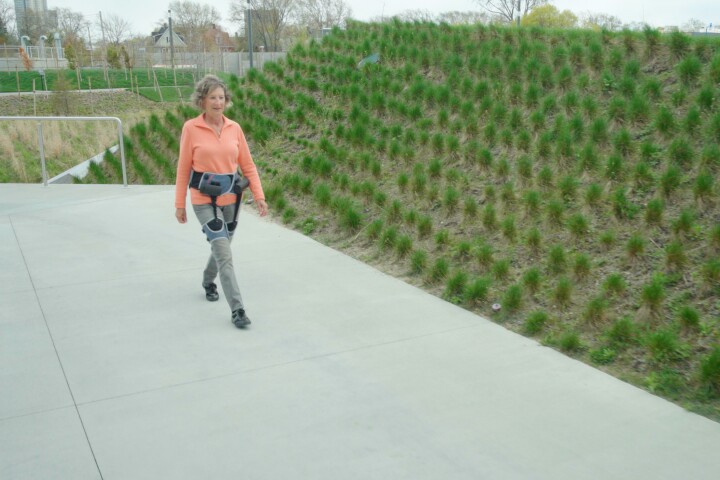 People with Parkinson's disease often develop a problem known as "gait freeze," in which their legs simply stop stepping forward as they're walking. A new exoskeleton, however, has proven to be very effective at keeping such individuals' legs going.
 -
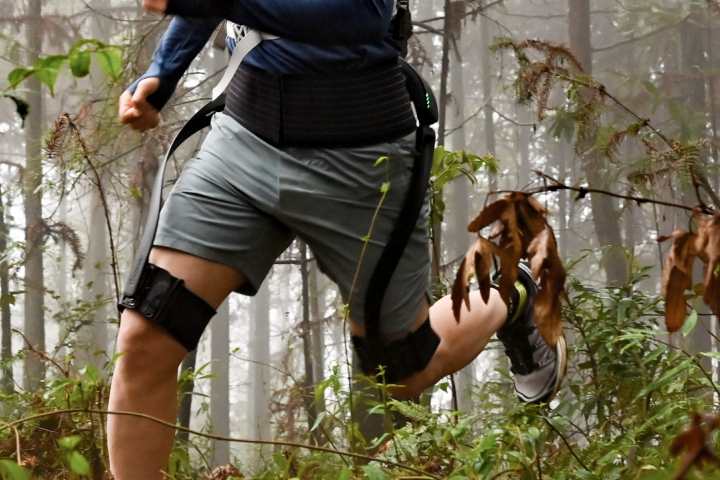 One of the most outlandish Kickstarters of 2023 is still working to empower superhuman outdoor adventurers. The Hypershell Omega exoskeleton was a $1 million Kickstarter success last year, and Hypershell is preparing to show its latest at CES 2024.
 -
 Most of German Bionic's power suits are designed to assist workers in industrial facilities, but the company's latest device is aimed at supporting healthcare professionals in hospitals, elderly care or rehab units.
 -
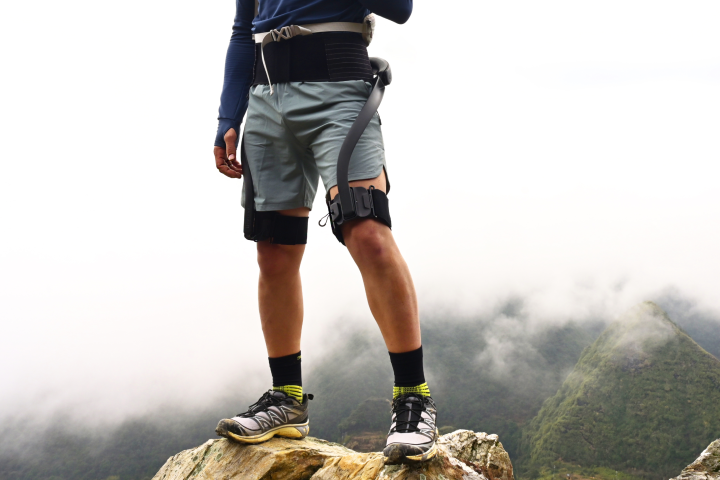 Forget energy goos, Hypershell has a more concrete way of boosting performance on mountain and trail. Its new exoskeleton channels the power of a horse into the legs of human adventurers, allowing them to explore farther, run faster and climb higher.
 -
 Stanford University scientists have just introduced their first untethered exoskeleton for use beyond the lab, which adjusts its level of assistance on the fly and offers a boost akin to taking off a 30-lb (13-kg) backpack.
 -
 Researchers at ETH Zurich have developed a lightweight, wearable textile exomuscle that uses sensors embedded in its fabric to detect a user's movement intentions and chip in extra force as needed. Initial tests show a significant boost in endurance.
 -
 It was back in 2014 that we first heard about the Chairless Chair, a lower-body exoskeleton that doesn't impede walking, but that also supports the wearer when they go into a sitting position. Well, there's now a lighter, comfier model.
Load More